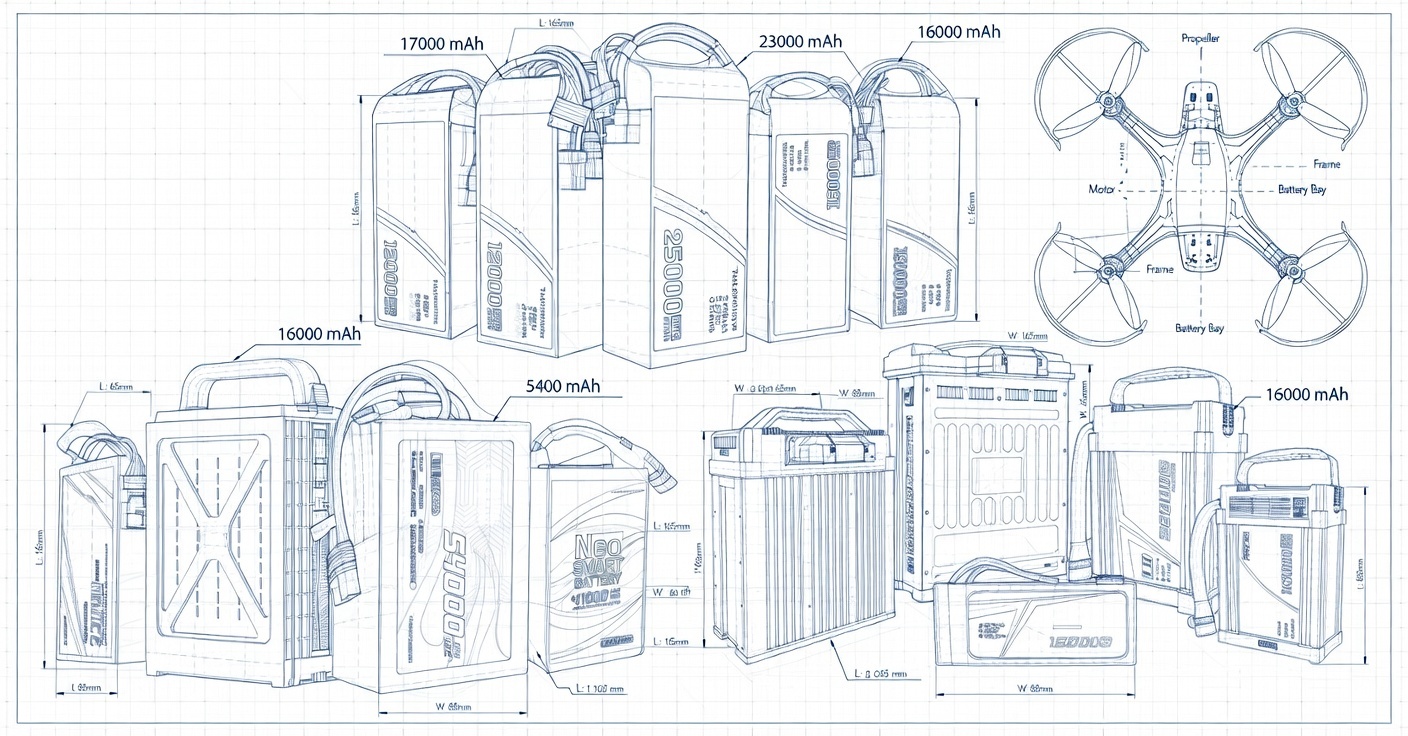
In the high-stakes world of commercial aerial cinematography, a grounded drone means a halted production. While filmmakers obsess over camera sensors, gimbal stability, and lens options, one critical component often remains overlooked until it’s too late: the drone battery. For film and aerial photography teams operating across international borders, battery compliance isn’t just about performance—it’s about legality, safety, and the ability to transport equipment without costly delays.
This guide addresses the regulatory complexities surrounding drone batteries, helping production teams avoid compliance pitfalls that can derail shoots, incur fines, or worse, compromise safety on set.
Diagnosis: Common Compliance Problems Facing Aerial Film Teams
Before diving into solutions, it’s essential to understand the pain points that plague production companies when sourcing and transporting drone batteries. Based on industry reports from the 2025 Commercial Drone Expo and regulatory updates through early 2026, here are the most frequent issues:
1. Transportation Rejections at Airports
Production crews traveling internationally frequently encounter battery confiscation at customs. Without proper UN38.3 certification documentation, lithium polymer (LiPo) batteries are classified as dangerous goods and denied carriage. Airlines follow IATA Dangerous Goods Regulations strictly, and missing paperwork means batteries stay behind while crews proceed without power.
2. Inconsistent Battery Performance Across Regions
Batteries purchased from uncertified vendors may meet voltage specifications but fail under extreme temperature conditions common in location shoots. A battery that performs well in a controlled studio environment may degrade rapidly in desert heat or mountain cold, leading to unexpected mid-flight failures during critical takes.
3. Regulatory Violations and Fines
Aviation authorities like the FAA (United States), EASA (Europe), and CAAC (China) have tightened drone operation regulations. The 2026 Civil Aviation Authority reviews indicate increased scrutiny on commercial drone operations. Using non-compliant batteries can void insurance policies and result in operational suspensions.
4. Safety Incidents on Set
Improperly manufactured batteries lacking built-in protection circuits pose fire risks. Several production companies reported battery swelling and thermal events during charging on set in 2025, creating liability concerns and production delays.
5. Supply Chain Opacity
Many vendors claim compliance without providing verifiable test reports. Production managers struggle to distinguish between genuine certifications and fabricated documentation, especially when sourcing batteries from multiple regions for global shoots.
List-Style Solutions: Building a Compliant Battery Strategy
Addressing these challenges requires a systematic approach. Below are actionable solutions grounded in technical standards and regulatory requirements.
1. Verify UN38.3 Certification for All Battery Shipments
UN38.3 is the United Nations standard for lithium battery transport safety. It mandates eight rigorous tests including altitude simulation, thermal cycling, vibration, shock, external short circuit, impact, overcharge, and forced discharge. For film crews transporting equipment internationally:
- Request Test Reports: Always obtain the UN38.3 test summary from your battery supplier. This document should include the testing laboratory’s accreditation details and specific model numbers.
- Check Validity: UN38.3 reports typically remain valid as long as the battery design remains unchanged. However, some airlines require reports within 12 months of shipment.
- Match Documentation to Shipments: Ensure the battery models listed on the UN38.3 report match exactly what you’re transporting. Discrepancies lead to customs rejections.
2. Understand Watt-Hour (Wh) Limits for Air Travel
IATA regulations categorize lithium batteries by watt-hour rating:
- Under 100Wh: Generally permitted in carry-on baggage without airline approval (most consumer drone batteries fall here).
- 100Wh to 160Wh: Require airline approval; typically limited to two spare batteries per passenger.
- Over 160Wh: Classified as dangerous goods; require special cargo handling and documentation.
For professional cinema drones using high-capacity batteries, calculate Wh using the formula: Voltage (V) × Amp-hours (Ah) = Watt-hours (Wh). Always declare batteries at check-in and ensure terminals are protected from short circuits.
3. Prioritize Batteries with Integrated BMS (Battery Management Systems)
A robust BMS protects against overcharge, over-discharge, short circuits, and temperature extremes. For film production environments where batteries may sit idle between takes or charge rapidly during turnover:
- Cell Balancing: Ensures all cells maintain equal voltage, extending battery lifespan and preventing swelling.
- Temperature Monitoring: Critical for outdoor shoots in extreme climates. Quality BMS systems throttle charging or discharging when temperatures exceed safe ranges.
- Communication Protocols: Smart batteries that communicate with the drone provide real-time data on remaining capacity, cycle count, and health status—essential for planning shot sequences.
4. Source from Manufacturers with ISO 9001 and Industry Certifications
Supplier credibility matters. Look for manufacturers holding:
- ISO 9001: Quality management certification ensuring consistent production standards.
- CE Marking: Indicates compliance with European health, safety, and environmental protection standards.
- RoHS Compliance: Restricts hazardous substances, important for productions with environmental sustainability mandates.
Request factory audit reports or third-party quality assessments when procuring batteries for large-scale productions.
5. Implement On-Set Battery Safety Protocols
Compliance doesn’t end at purchase. Production teams should establish:
- Dedicated Charging Stations: Use fire-resistant charging bags and never leave batteries charging unattended.
- Storage Guidelines: Store batteries at 40-60% charge when not in use for extended periods. Extreme states of charge accelerate degradation.
- Disposal Procedures: Partner with certified e-waste recyclers for end-of-life batteries. Never dispose of lithium batteries in regular trash.
- Incident Response Plans: Have fire extinguishers (Class D for lithium fires) accessible on set and train crew on emergency procedures.
6. Maintain Comprehensive Documentation Portfolios
For international productions, create a battery compliance dossier including:
- UN38.3 test summaries
- MSDS (Material Safety Data Sheets)
- Transportation appraisal reports
- Purchase invoices with model numbers
- Manufacturer compliance declarations
Keep digital and physical copies accessible during travel. Customs officials increasingly request this documentation for commercial drone equipment.
7. Plan for Regional Regulatory Variations
Regulations differ by jurisdiction:
- FAA (USA): Part 107 operators must ensure all equipment meets safety standards. Battery failures during operations can trigger incident investigations.
- EASA (Europe): Open and Specific category operations require documented risk assessments including power system reliability.
- CAAC (China): 2026 regulations emphasize real-name registration and pilot certification; equipment compliance supports overall operational approval.
Consult local aviation authorities before shooting in new regions. Some countries require advance notification of drone equipment importation.
8. Invest in Battery Health Monitoring Technology
Advanced production teams use battery analytics software to track:
- Cycle Counts: Replace batteries after manufacturer-recommended cycles (typically 300-500 for LiPo).
- Internal Resistance: Increasing resistance indicates aging; high-resistance batteries deliver less power and generate more heat.
- Voltage Sag Under Load: Critical for drones carrying heavy cinema cameras. Significant sag during takeoff indicates battery degradation.
Proactive monitoring prevents in-flight failures and extends equipment investment lifespan.
Summary: Compliance as a Competitive Advantage
For film and aerial photography teams, regulatory compliance isn’t a bureaucratic hurdle—it’s a competitive differentiator. Productions that prioritize battery compliance experience fewer travel disruptions, maintain safer sets, and build stronger relationships with aviation authorities and insurance providers.
The drone industry continues evolving rapidly. The 2025 Commercial Drone Expo highlighted increased specialization in commercial applications, with battery technology remaining a focal point. As regulations tighten through 2026 and beyond, teams that establish robust compliance frameworks now will navigate future changes more smoothly.
Key takeaways for production managers:
- Never transport batteries without verified UN38.3 documentation
- Understand watt-hour limits for your specific travel routes
- Invest in quality batteries with integrated safety systems
- Maintain comprehensive compliance portfolios
- Train crew on battery safety protocols
- Monitor battery health proactively
The cost of compliance pales in comparison to the cost of a grounded production. By treating battery procurement as a strategic decision rather than a commodity purchase, film teams protect their schedules, budgets, and reputations.
Ready to Build a Compliant Battery Strategy?
Navigating drone battery regulations requires expertise that goes beyond standard vendor relationships. Whether you’re outfitting a single drone or equipping an entire fleet for international productions, custom solutions ensure your power systems meet both performance and compliance requirements.
Contact our specialist team today for tailored drone battery solutions that keep your productions airborne and compliant.
Visit us at: https://cnsbattery.com/drone-battery-home/drone-battery-contact
Our engineers understand the unique demands of film and aerial photography operations. From custom voltage configurations to complete documentation packages for international transport, we provide the support professional productions require. Don’t let battery compliance become your next production bottleneck—reach out now and power your next shoot with confidence.