Drone Battery Buyer’s Guide: Focus on Recycling Compliance for E-commerce Drone Fleet Operators
Imagine this: It is a Tuesday morning in March 2026. Your e-commerce delivery fleet is grounded. Not because of a software glitch or bad weather, but because a regulatory audit flagged your end-of-life battery disposal process as non-compliant. The fines are staggering, your reputation is tarnished, and operations have halted. This scenario is not a distant dystopia; it is the reality facing fleet operators who overlook the critical intersection of energy storage and environmental law. As the drone logistics industry matures, the focus has shifted from mere flight capability to sustainable lifecycle management. Ignoring recycling compliance is no longer an option; it is a direct threat to your bottom line and operational continuity.
The Hidden Liability: Why Compliance Matters Now
The landscape of lithium-ion battery regulation has shifted dramatically. With the International Air Transport Association (IATA) Dangerous Goods Regulations (DGR) 67th edition fully enforced as of January 2026, and the European Union’s Battery Regulation entering its substantive execution phase, the rules of engagement have changed. For e-commerce drone fleet operators, batteries are not just components; they are hazardous materials that require strict stewardship from procurement to disposal.
The primary risk lies in the misconception that a dead battery is harmless. In reality, a degraded lithium polymer cell retains chemical potential that can lead to thermal runaway if mishandled during disposal. Furthermore, new UN classifications, such as UN 3556 for lithium-ion battery-powered vehicles, impose specific transport requirements even for damaged units. Non-compliance can result in severe penalties, including confiscation of assets, legal action, and exclusion from key logistics networks. The environmental impact is equally severe; improper disposal leaks toxic electrolytes into soil and water systems, violating global sustainability goals that modern consumers and investors demand.
Risk Causes and Prevention Measures
To navigate this complex regulatory environment, operators must understand where failures typically occur. Below is a breakdown of the common risk factors and the strategic preventions necessary to mitigate them.
Common Risk Causes
- Lack of State of Charge (SoC) Management: Transporting spent batteries with an SoC exceeding the 30% threshold mandated by 2026 air freight regulations.
- Inadequate Documentation: Failing to maintain a digital trail or “Battery Passport” required by emerging EU and international standards.
- Improper Storage Conditions: Storing degraded batteries in high-temperature environments without fire suppression systems, increasing the risk of spontaneous combustion.
- Unverified Recycling Partners: Engaging third-party disposal vendors who lack certified hazardous waste handling licenses.
- Mixed Chemistry Disposal: Combining different battery chemistries (e.g., LiPo with Li-ion) in the same disposal container, causing chemical reactions.
Strategic Prevention Measures
- Implement Discharge Protocols: Enforce strict protocols to ensure all batteries are discharged to below 30% SoC before any transport or handover for recycling.
- Digital Lifecycle Tracking: Utilize battery management systems (BMS) that log cycle counts, health status, and disposal dates to generate compliance reports automatically.
- Certified Storage Facilities: Designate fire-rated storage cabinets specifically for end-of-life batteries, equipped with thermal monitoring and sand buckets.
- Vendor Auditing: Conduct annual audits of recycling partners to verify their compliance with local environmental laws and international transport standards.
- Segregation Training: Train ground staff on the importance of segregating battery chemistries and using non-conductive packaging for transport.
Engineering Perspectives on Battery Lifecycle
From an engineering standpoint, the decision to recycle is driven by the electrochemical limits of the cell. A typical high-drain lithium polymer battery used in delivery drones undergoes significant stress during rapid discharge cycles. Over time, the solid electrolyte interphase (SEI) layer thickens, increasing internal resistance. When this resistance reaches a critical point, the battery can no longer deliver the required current safely.
However, the danger does not end when the battery stops powering the drone. Mechanical damage from crash landings can compromise the separator inside the cell, creating internal short circuits that may activate weeks later. This is why engineering best practices dictate that any battery subjected to a significant impact must be quarantined immediately, regardless of its apparent charge level.
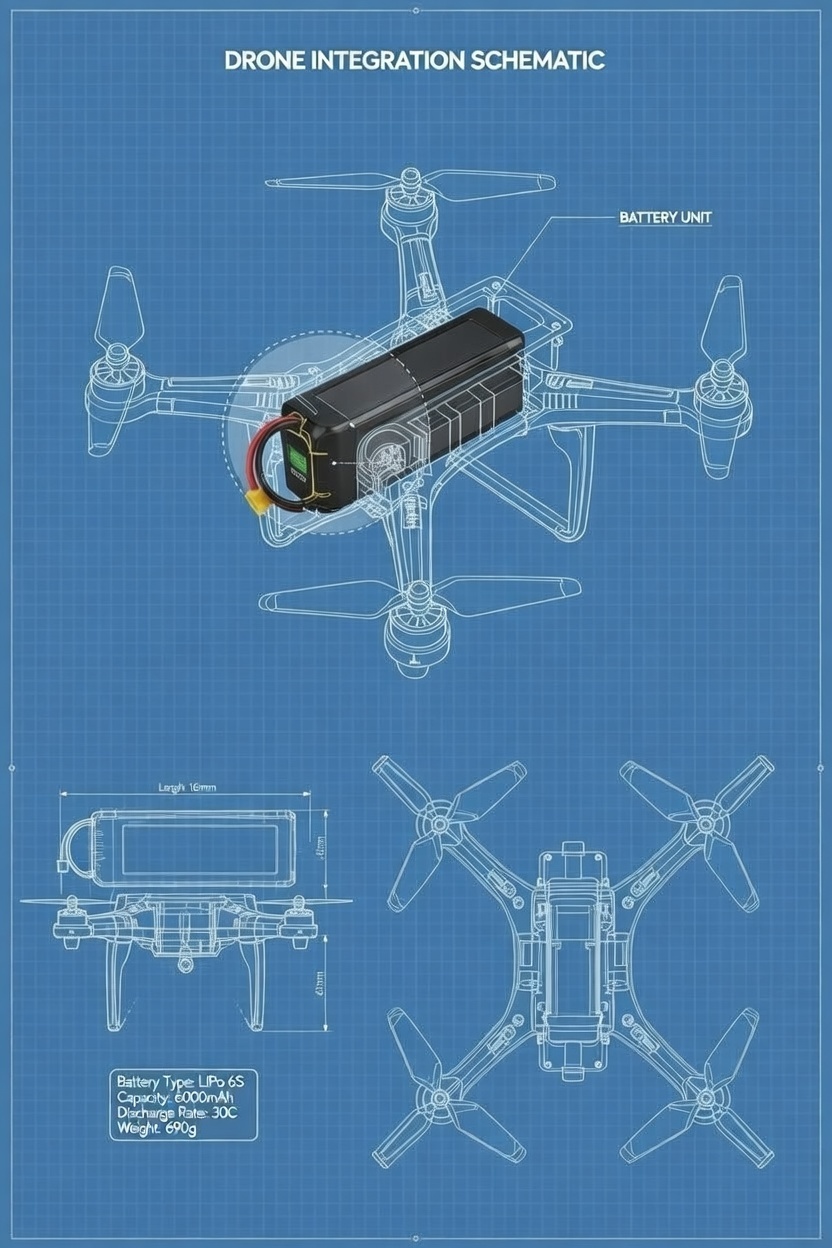
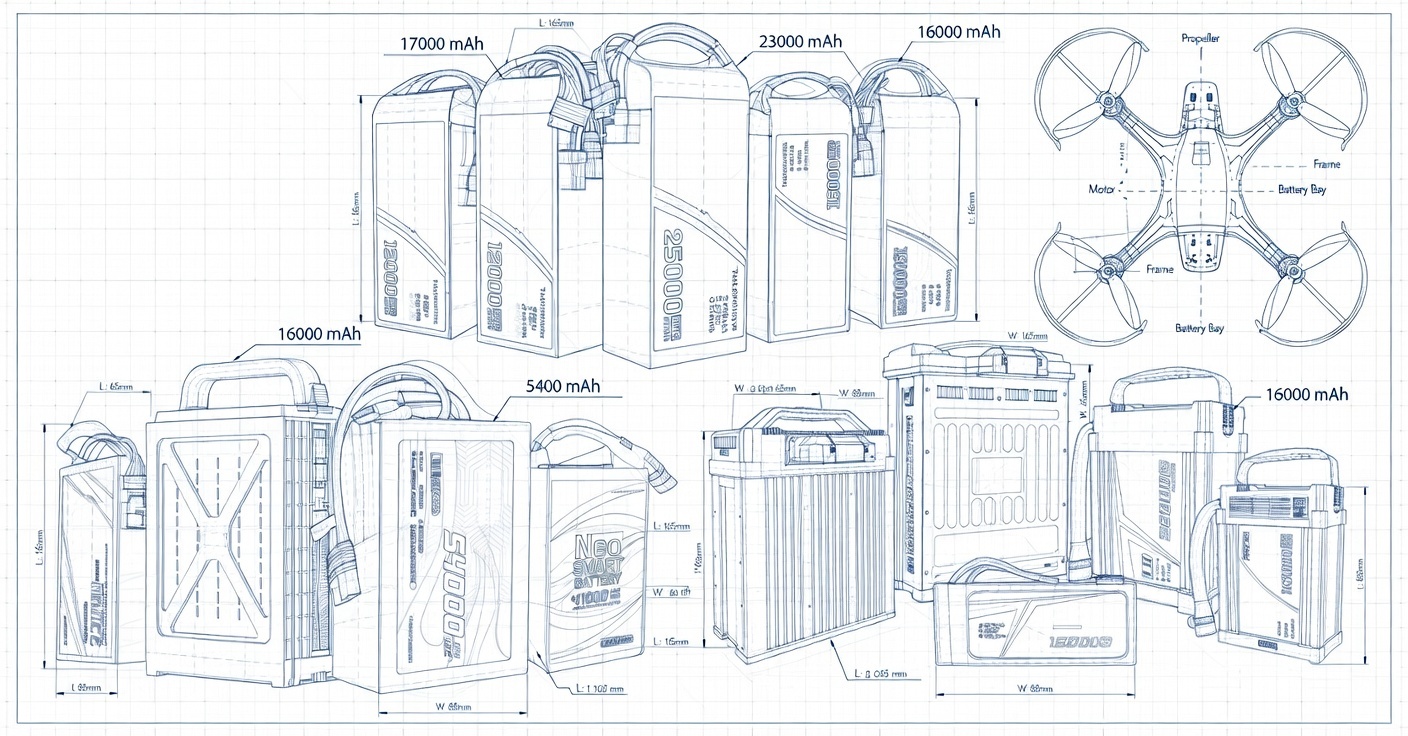
Moreover, the materials within these batteries—cobalt, lithium, nickel—are valuable resources. Modern recycling processes can recover up to 95% of these materials. By treating old batteries as resource repositories rather than waste, operators contribute to a circular economy. This approach aligns with the technical specifications found in advanced industrial battery designs, where modularity allows for easier disassembly and material recovery. Understanding the internal chemistry helps operators appreciate why puncturing a swollen battery is strictly prohibited and why temperature control during storage is non-negotiable.
Building a Compliant Fleet Strategy
Solving the compliance challenge requires a holistic approach that integrates procurement, operations, and disposal. Start by selecting battery suppliers who provide full transparency regarding cell chemistry and manufacturing standards. A reliable partner will offer documentation that supports your compliance reporting.
Next, integrate battery health monitoring into your fleet management software. Automated alerts should trigger when a battery’s internal resistance spikes or when cycle counts approach the manufacturer’s limit. This proactive replacement strategy prevents batteries from failing mid-flight and ensures they are retired before they become hazardous.
Finally, establish a clear chain of custody for retired batteries. Every unit leaving your facility should be tracked until it reaches the recycling plant. This documentation is your shield during audits. It proves due diligence and responsible stewardship. By adopting these measures, you transform a regulatory burden into a competitive advantage, showcasing your commitment to safety and sustainability to clients and stakeholders.
Secure Your Fleet’s Future Today
The era of unregulated battery disposal is over. For e-commerce drone fleet operators, compliance is the new currency of trust. Do not wait for a regulatory incident to force your hand. Equip your team with the right knowledge, the right partners, and the right hardware to navigate this evolving landscape safely.
We are committed to supporting your journey toward a compliant and efficient fleet. Our industrial-grade drone batteries are designed with lifecycle management in mind, ensuring you have the reliability you need while simplifying your end-of-life processes.
Explore Our Industrial Drone Battery Specifications
Discover high-performance solutions built for compliance and longevity: https://cnsbattery.com/drone-battery-home/drone-battery/
Learn Battery Maintenance Best Practices
Deep dive into technical guides to extend battery life and ensure safety: https://cnsbattery.com/drone-battery-home/drone-battery-help-center/
Visit Our Homepage
Start your journey with our comprehensive drone energy solutions: https://cnsbattery.com/drone-battery-home
Contact Us
Ready to upgrade your fleet with compliant, high-efficiency batteries? Reach out to our engineering team today: https://cnsbattery.com/drone-battery-home/drone-battery-contact