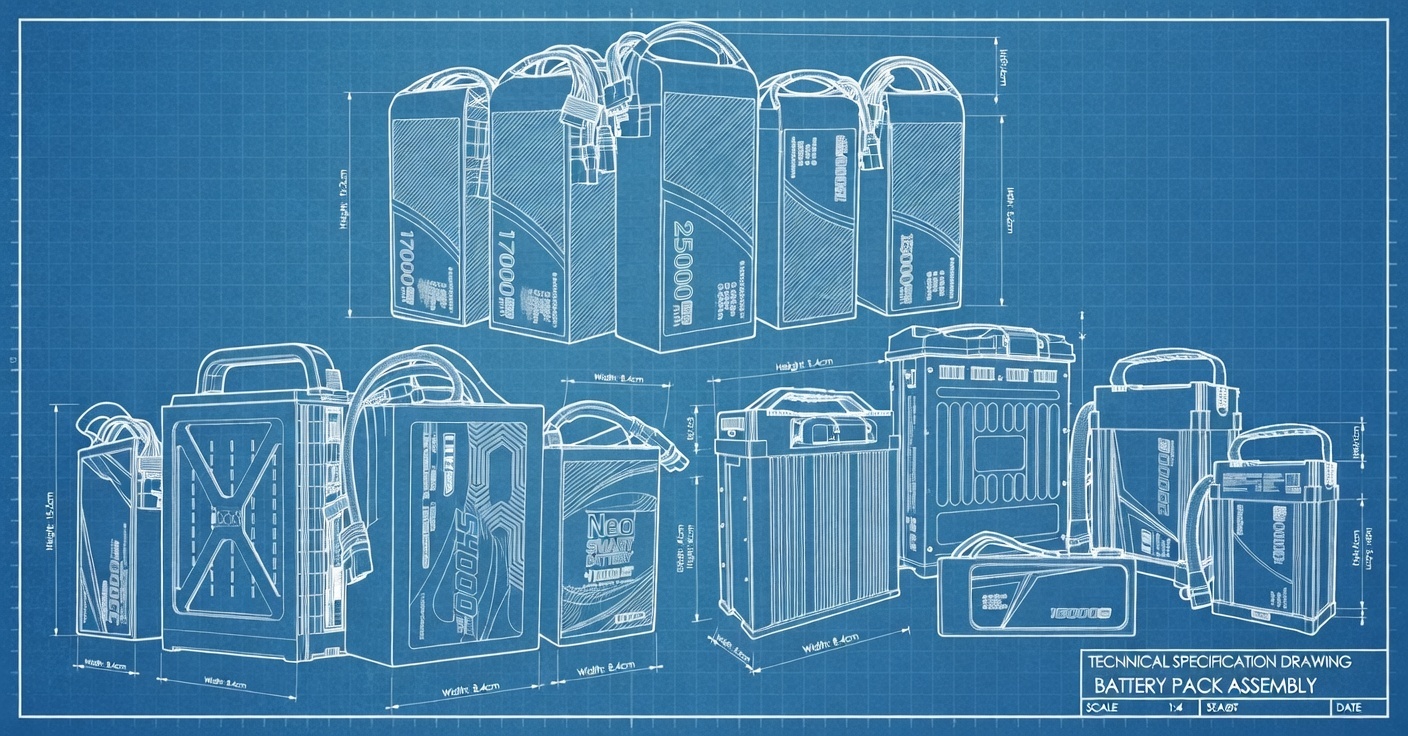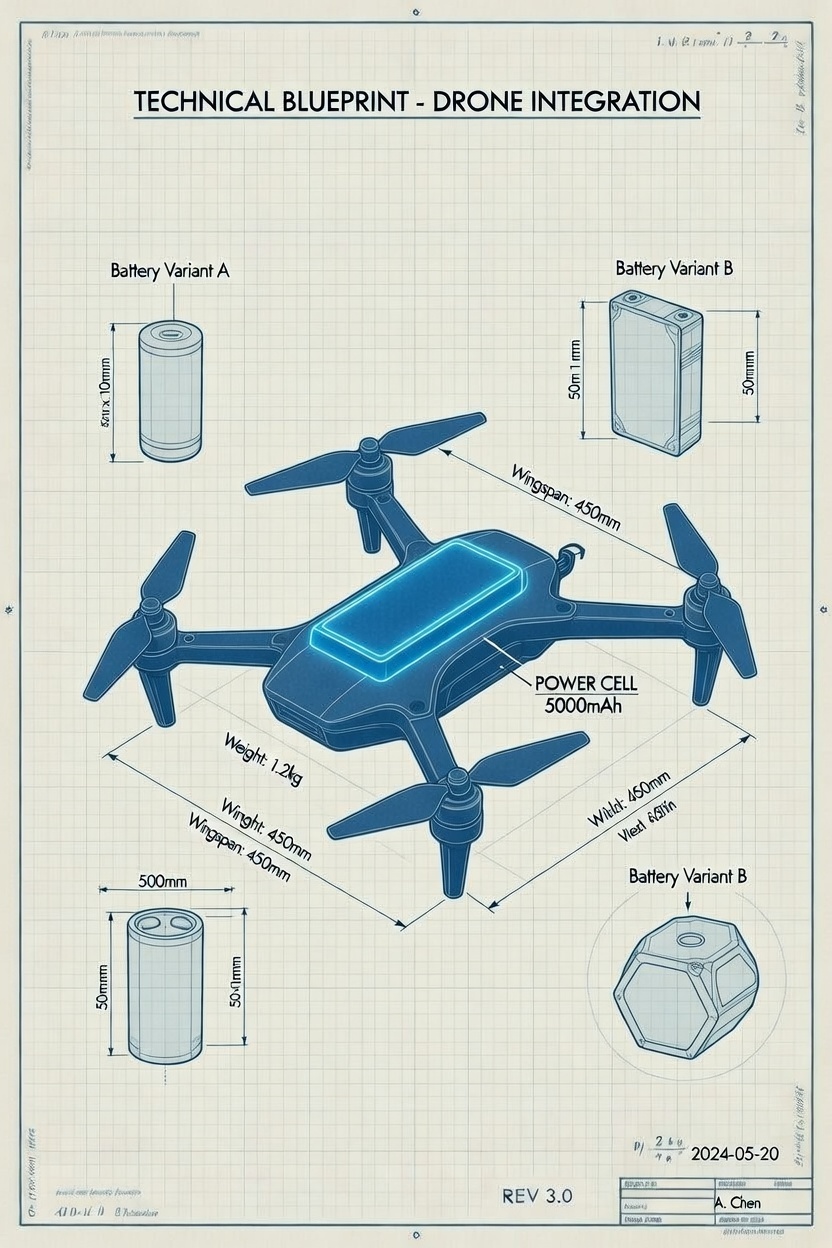
In the high-stakes environment of aerial firefighting, the difference between containment and catastrophe often hangs on a single variable: power reliability. As we advance into 2026, Unmanned Aerial Vehicles (UAVs) have become indispensable tools for fire departments globally, tasked with thermal imaging, payload delivery, and perimeter monitoring. However, the heart of any firefighting drone is not its camera or its frame, but its battery system. A failure in power during a critical mission is not merely an inconvenience; it is a safety hazard that can endanger lives and property.
This guide serves as a strategic resource for procurement officers, fleet managers, and emergency response coordinators. We will delve deep into the specifics of drone battery performance testing, outlining the critical metrics that define suitability for firefighting operations. Key points covered include understanding high-drain discharge capabilities, evaluating thermal stability under extreme conditions, adhering to 2026 safety transport regulations, and implementing rigorous fleet management protocols. By prioritizing performance testing over simple capacity specs, organizations can ensure their aerial units remain operational when the heat is on.
The Critical Role of Power in Aerial Firefighting
Firefighting drones operate in some of the most hostile environments imaginable. Unlike agricultural or survey drones that fly in predictable conditions, firefighting UAVs face intense thermal updrafts, smoke particulate ingestion, and the need for rapid, high-thrust maneuvers. When a drone is tasked with carrying a water bomb or a retardant payload, the power demand spikes exponentially.
Standard consumer-grade batteries are ill-equipped for this workload. They often lack the continuous discharge rates required to lift heavy payloads while maintaining stability in turbulent air. Furthermore, the ambient heat from a wildfire can elevate battery cell temperatures to dangerous levels, increasing the risk of thermal runaway. Therefore, the selection process must move beyond voltage and milliamp-hour (mAh) ratings. It requires a forensic approach to performance testing that simulates real-world fireground stressors.
Core Performance Metrics for Firefighting Drone Batteries
When evaluating battery packs for emergency response units, three core metrics stand out as non-negotiable. These metrics form the baseline for any performance testing protocol.
1. Continuous Discharge Rate (C-Rating)
The C-rating indicates how quickly a battery can release its energy. For firefighting drones carrying payloads, a high C-rating is essential. A battery might have a large capacity, but if it cannot discharge energy fast enough during a climb or hover against strong thermal winds, the voltage will sag. Voltage sag leads to reduced motor efficiency and potential instability. Performance testing must verify that the battery maintains voltage stability under maximum load conditions, ensuring the drone does not lose altitude during critical payload drops.
2. Thermal Stability and Heat Dissipation
In 2026, battery chemistry has evolved, but physics remains constant. High discharge generates heat. In a firefighting scenario, external heat sources compound this internal generation. Testing must involve thermal imaging of the battery pack during sustained high-load operations. Cells that exceed safe temperature thresholds (typically above 60°C for sustained periods) degrade faster and pose safety risks. Advanced packs now incorporate active cooling or high-temperature resistant casings, which must be validated through controlled heat chamber testing.
3. Cycle Life Under Stress
A battery that performs well when new but degrades after twenty cycles is a liability. Firefighting units require longevity. Performance testing should include accelerated cycle testing where the battery is charged and discharged under load conditions mimicking mission profiles. This helps predict the usable lifespan of the pack before internal resistance rises to unacceptable levels.
Rigorous Testing Protocols: Simulating the Fireground
To truly guarantee performance, procurement teams should demand evidence of specific testing protocols. These tests go beyond manufacturer datasheets and involve third-party validation where possible.
High-Temperature Hover Tests
Batteries should be tested in environmental chambers set to simulate extreme fireground temperatures. The drone should hover with a maximum payload for extended periods while battery temperature and voltage are logged. This identifies packs that throttle performance due to heat protection mechanisms too early.
Rapid Discharge Simulations
Firefighting often requires sudden bursts of power—for example, escaping a sudden wind shift or lifting off quickly. Testing should include pulse discharge tests to ensure the Battery Management System (BMS) does not cut power prematurely during peak demand. The BMS must distinguish between a fault and a legitimate high-power request.
Vibration and Structural Integrity
Firefighting drones are often deployed from moving vehicles or rough terrain. Battery packs must undergo vibration testing to ensure internal connections do not loosen over time. A loose connection can lead to arcing or sudden power loss.
Safety and Compliance: The 2026 Regulatory Landscape
Safety extends beyond flight performance to transportation and storage. As of 2026, international regulations regarding lithium battery transport have tightened significantly. According to the International Air Transport Association (IATA) Dangerous Goods Regulations (DGR) 66th Edition, which saw full implementation in 2026, lithium-ion batteries transported by air must generally be at a State of Charge (SoC) of not more than 30%.
This regulation impacts how fire departments manage spare batteries during inter-agency deployments or air transport to remote wildfires. Procurement strategies must account for this. Batteries should be stored and transported in compliance with UN 3480 and UN 3481 standards. Furthermore, firefighting units often operate in restricted airspace, requiring batteries that support secure communication links without interference. Compliance testing ensures that the battery’s electronic components do not emit electromagnetic noise that could disrupt the drone’s control link or thermal imaging sensors.
Fleet Management Tips for Operational Readiness
Owning high-performance batteries is only half the battle; managing them effectively ensures they perform when needed. Below are essential management techniques for firefighting drone fleets.
- Implement Rotation Schedules: Do not leave batteries sitting at 100% charge for extended periods. Rotate stock to keep all packs within the optimal 40-60% storage voltage range when not in use.
- Log Every Cycle: Use smart charging stations that log cycle counts and internal resistance data. Retire batteries that show significant impedance growth, even if they still hold a charge.
- Pre-Mission Thermal Checks: Before every sortie, check the temperature of the battery cells. Never deploy a pack that is hot to the touch from previous use or storage in a hot vehicle.
- Standardize Charging Protocols: Ensure all charging stations are calibrated and located in fire-safe areas. Use charging bags designed to contain potential thermal events.
- Train Personnel on BMS Alerts: Operators must understand the warning signs provided by the Battery Management System. Ignoring low-voltage alarms or temperature warnings can lead to catastrophic failure.
- Maintain Transport Compliance: Keep transport cases certified for lithium batteries and ensure SoC is adjusted to legal limits before any air shipment of equipment.
Future Trends in UAV Power Systems
Looking beyond 2026, the industry is moving towards solid-state battery technology, which promises higher energy density and improved safety profiles. For firefighting units, this means longer flight times and reduced fire risk. However, until these technologies become standard, maximizing the performance of current LiPo and Li-ion systems through rigorous testing remains the best strategy. Integration with hybrid power systems, where a small combustion generator extends battery life, is also gaining traction for long-duration monitoring missions. Procurement strategies should remain flexible to adopt these innovations as they pass safety certifications.
Conclusion
The efficacy of a firefighting drone is directly tied to the reliability of its power source. In an industry where failure is not an option, relying on generic specifications is insufficient. A strategic approach to buying drone batteries requires a focus on performance testing that mirrors the harsh realities of the fireground. By prioritizing discharge rates, thermal stability, and regulatory compliance, emergency response teams can deploy their aerial assets with confidence.
Investing in high-quality, rigorously tested batteries is an investment in public safety. It ensures that when the alarm sounds, your technology is ready to serve, not ready to fail. As you evaluate suppliers, demand transparency regarding their testing protocols and safety certifications.
Take Action for Your Fleet
Ensuring your firefighting units are equipped with the highest standard of power systems requires partnership with experts who understand the unique demands of emergency response. If you are looking to upgrade your fleet or need consultation on battery testing standards and compliance, reach out to specialized providers who prioritize safety and performance.
For detailed inquiries regarding high-performance drone battery solutions and custom testing protocols, please visit our contact page at https://cnsbattery.com/drone-battery-home/drone-battery-contact. Secure your operational readiness today by choosing power systems built for the toughest missions.