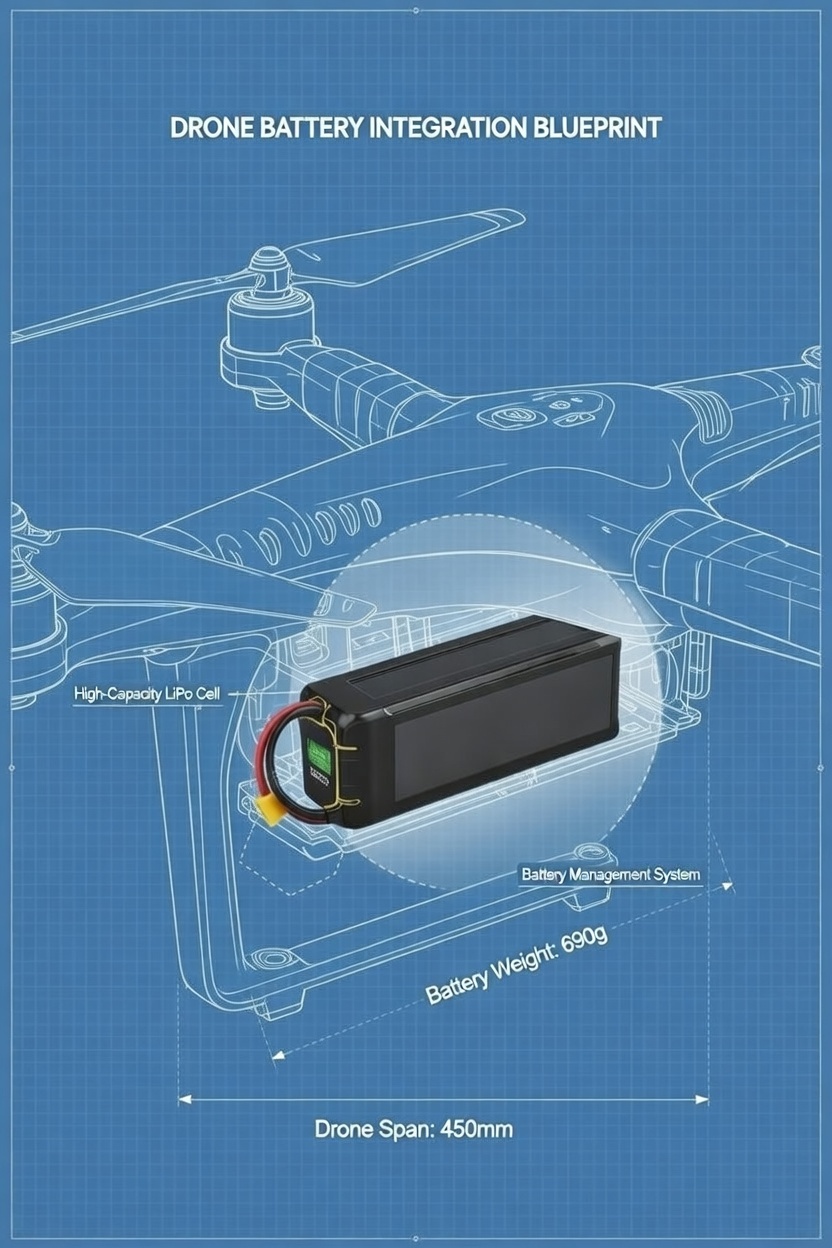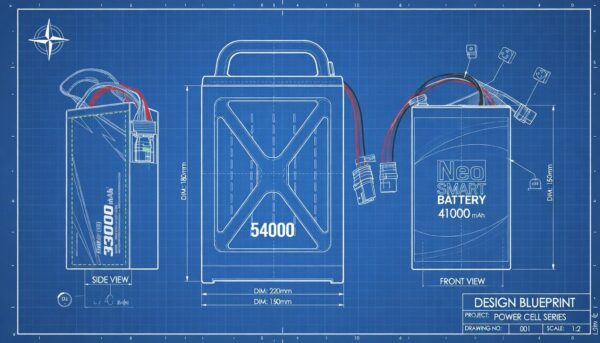
When seconds count and lives hang in the balance, emergency rescue teams cannot afford equipment failures. Among all critical components powering search-and-rescue drones, the battery stands as the heartbeat of mission success. This comprehensive guide explores why performance-tested drone batteries make the difference between successful rescues and devastating failures.
Why Performance Testing Matters for Rescue Operations
Emergency rescue scenarios present unique challenges that commercial drone operations never encounter. Harsh weather conditions, extended flight durations, unpredictable terrain, and critical payload requirements demand batteries that exceed standard specifications. Performance testing ensures your drone battery delivers consistent power when failure is not an option.
Rescue teams operating in mountainous regions face temperature extremes ranging from -20°C to 45°C. Standard consumer batteries lose up to 40% capacity in cold conditions, potentially stranding drones mid-mission. Performance-tested batteries maintain stable voltage output across temperature ranges, ensuring reliable operation throughout critical rescue windows.
Key Performance Metrics for Emergency Rescue Batteries
Energy Density and Flight Time
Energy density determines how long your rescue drone stays airborne. For search operations covering vast areas, every minute counts. High-performance lithium polymer batteries offer energy densities between 200-250 Wh/kg, providing 35-45 minutes of flight time with standard payloads. Advanced rescue teams should target batteries exceeding 260 Wh/kg for extended missions.
Consider this scenario: A wilderness search team needs to cover 50 square kilometers. With standard 30-minute batteries, they require four battery swaps. Upgrading to high-density 45-minute batteries reduces swaps to two, cutting mission time by 30% and increasing probability of successful location.
Discharge Rate and Power Delivery
Emergency drones often carry thermal cameras, loudspeakers, medical supply containers, or rescue equipment. These payloads create sudden power demands during operation. Performance testing measures continuous discharge rates (C-rating) and burst power capabilities.
Rescue drones require minimum 5C continuous discharge with 10C burst capability. This ensures stable power during sudden maneuvers, windy conditions, or emergency payload releases. Batteries failing discharge tests risk voltage sag, causing unexpected shutdowns during critical moments.
Cycle Life and Long-Term Reliability
Rescue teams operate drones frequently, sometimes daily during disaster response periods. Battery cycle life directly impacts operational costs and mission readiness. Quality rescue batteries maintain 80% capacity after 500+ charge cycles. Performance testing tracks capacity degradation over time, predicting replacement schedules before failures occur.
Step-by-Step Performance Testing Protocol
Step 1: Capacity Verification Testing
Begin with complete capacity testing under controlled conditions. Fully charge the battery using manufacturer-specified chargers. Discharge at rated current while monitoring voltage and capacity output. Record actual mAh delivered versus rated capacity.
Acceptable tolerance: ±3% of rated capacity. Batteries showing less than 97% rated capacity fail initial screening. Document all results with timestamps and environmental conditions for future reference.
Step 2: Temperature Stress Testing
Place batteries in environmental chambers simulating operational extremes. Test at -20°C, 0°C, 25°C, and 45°C. Measure capacity retention and voltage stability at each temperature point.
Critical threshold: Batteries must maintain 85%+ capacity at -20°C and 95%+ at 45°C. Rescue teams operating in extreme climates should request custom temperature testing matching their specific operational environments.
Step 3: Load Simulation Testing
Connect batteries to drone systems with actual rescue payloads. Simulate mission profiles including takeoff, hovering, forward flight, payload deployment, and landing. Monitor voltage sag during high-demand phases.
Acceptable voltage drop: Less than 0.5V per cell during maximum load. Excessive sag indicates internal resistance problems that worsen over time, leading to premature failures.
Step 4: Cycle Durability Assessment
Run 100 accelerated charge-discharge cycles while tracking capacity retention. Plot degradation curves to predict long-term performance. Quality batteries show linear degradation under 0.1% per cycle.
Real-World Testing Examples from Rescue Teams
Mountain Rescue Unit Case Study
The Alpine Rescue Coalition tested three battery brands for high-altitude operations at 3,500 meters. Brand A showed 38% capacity loss at -15°C. Brand B maintained 89% capacity but experienced voltage instability during windy conditions. Brand C, after comprehensive performance testing, delivered 92% capacity retention with stable voltage throughout temperature ranges.
After six months of operational use, Brand C batteries completed 340 cycles while maintaining 87% original capacity. The team reduced emergency battery failures from 12% to less than 1%, directly contributing to three successful winter rescues.
Urban Search and Rescue Example
Metropolitan Fire Department evaluated batteries for structural collapse scenarios requiring indoor drone operations. Performance testing revealed significant differences in discharge consistency. Top-performing batteries maintained voltage within 0.2V during payload operations, while inferior brands showed 0.8V fluctuations causing camera system resets.
Testing protocol identified one brand with superior vibration resistance, crucial for drones operating in unstable structures. This finding prevented potential equipment failures during actual rescue missions.
Choosing the Right Battery Supplier for Rescue Operations
Selecting battery partners requires more than comparing specifications. Emergency rescue teams need suppliers understanding mission-critical requirements. Look for manufacturers offering:
- Customized performance testing matching your operational profiles
- Detailed test documentation with traceable results
- Batch consistency verification across production runs
- Emergency replacement programs for disaster response
- Technical support teams available 24/7 during operations
Quality suppliers provide test certificates showing individual battery performance, not just batch averages. This transparency enables rescue teams to verify every unit meets mission requirements before deployment.
Investment Returns from Performance-Tested Batteries
While performance-tested batteries cost 20-30% more than standard options, the return on investment becomes clear during actual operations. Reduced failure rates mean fewer aborted missions. Extended cycle life lowers long-term replacement costs. Consistent performance enables accurate mission planning without contingency buffers for battery uncertainty.
Consider the true cost of battery failure: A single failed rescue attempt due to equipment malfunction carries immeasurable consequences. Performance testing transforms batteries from commodity purchases into mission-critical investments.
Building Your Battery Testing Program
Establish internal testing protocols complementing supplier certifications. Maintain testing equipment including capacity analyzers, temperature chambers, and load simulators. Train team members on proper testing procedures and result interpretation.
Create battery passports documenting each unit’s test history, cycle count, and performance trends. This data enables predictive maintenance, replacing batteries before failures occur rather than after missions are compromised.
Conclusion: Performance Testing Saves Lives
Emergency rescue teams operate where failure means loss of life. Drone batteries powering these missions deserve scrutiny exceeding commercial standards. Comprehensive performance testing transforms uncertainty into confidence, ensuring every flight supports successful rescue outcomes.
Invest in performance-tested batteries from suppliers understanding rescue mission requirements. Implement testing protocols verifying continued performance throughout battery lifecycle. The extra effort in battery selection and verification pays dividends when seconds matter most.
Your rescue team’s effectiveness depends on equipment reliability. Make battery performance testing a non-negotiable requirement in your procurement process. Lives depend on it.
Ready to discuss performance-tested drone batteries for your rescue team? Contact our specialist team at https://cnsbattery.com/drone-battery-home/drone-battery-contact for customized solutions matching your operational requirements. Our engineers understand emergency rescue demands and provide batteries tested to mission-critical standards.