Drone Battery Buyer’s Guide: Focus on Customization Options for Aerial Filming Professionals
In the rapidly evolving world of aerial cinematography, choosing the right drone battery can make or break your production schedule. Professional filmmakers demand reliable power solutions that deliver consistent performance, extended flight times, and seamless integration with their equipment. This comprehensive guide explores customization options specifically designed for aerial filming professionals who refuse to compromise on quality.
Understanding Drone Battery Fundamentals for Professional Use
Before diving into customization options, it’s essential to understand the core specifications that matter most for aerial filming applications.
Battery Chemistry: LiPo vs. Li-ion
Lithium Polymer (LiPo) batteries remain the industry standard for professional drones due to their exceptional power-to-weight ratio and high discharge rates. These batteries support rapid current delivery crucial for gimbal stabilization and camera operations during complex shots.
Lithium-ion (Li-ion) batteries offer superior cycle life and stability, making them ideal for fixed-wing drones prioritizing extended endurance over maneuverability. Recent 2025-2026 advancements have narrowed the performance gap between these technologies.
Critical Specifications Every Professional Should Know
- Voltage (V): Single cell nominal voltage is 3.7V. Common configurations include 3S (11.1V), 4S (14.8V), and 6S (22.2V)
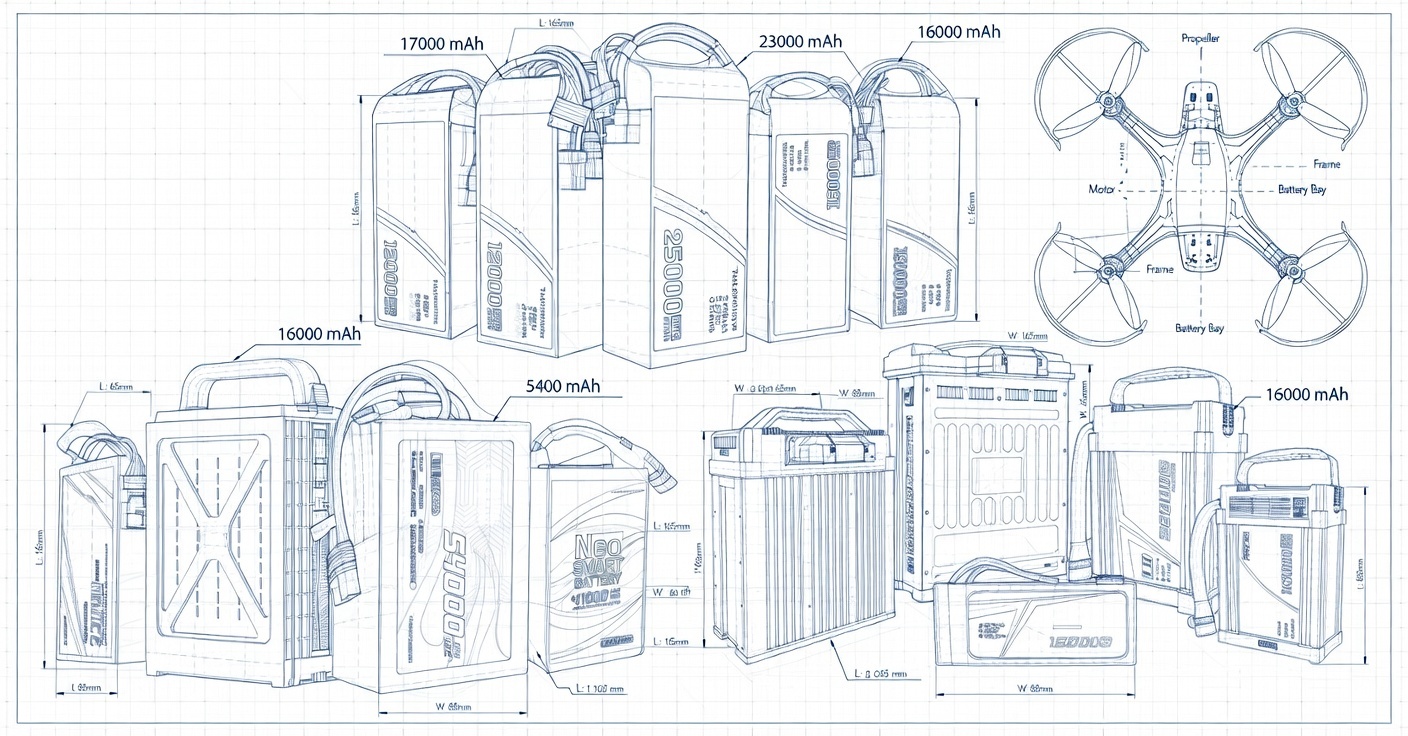
- Capacity (mAh): Professional drones typically require 5000mAh to 22000mAh depending on payload requirements
- Discharge Rate (C-rating): Higher C-values enable better performance during demanding flight maneuvers
- Cycle Life: Quality LiPo batteries deliver 500-1000 charge cycles at 80% depth of discharge
- Operating Temperature: Optimal charging occurs between 5°C to 40°C for maximum battery longevity
Customization Options That Matter for Aerial Filming
Professional aerial filming demands batteries tailored to specific production requirements. Here are the key customization areas worth considering:
1. Capacity and Voltage Configuration
Custom capacity options allow filmmakers to balance flight time against weight constraints. For cinema-grade drones like the DJI Matrice 350 RTK or custom-built platforms, manufacturers can configure:
- 6S to 14S configurations for heavy-lift applications
- Custom mAh ratings from 3000mAh to 30000mAh
- Parallel configurations for extended endurance without voltage changes
2. Physical Form Factor Adaptation
Every drone frame presents unique spatial constraints. Customization services enable:
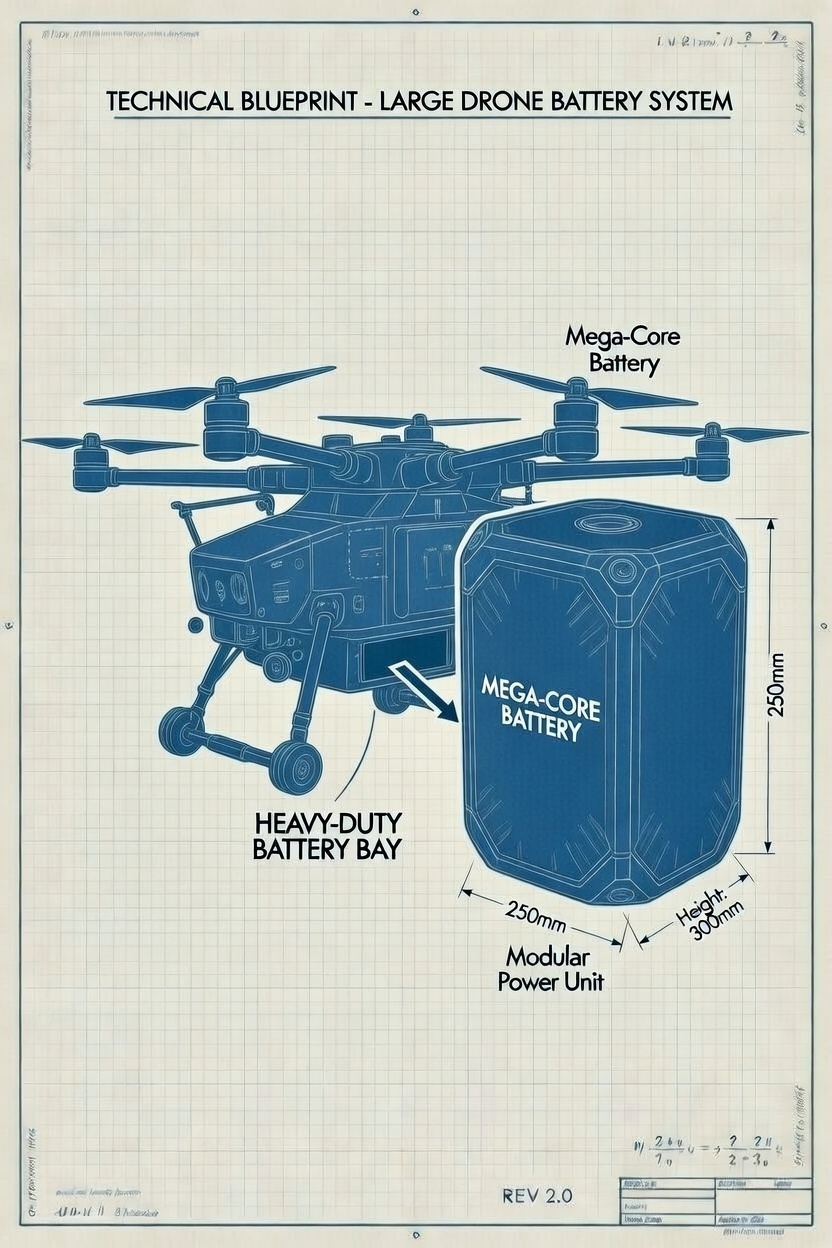
- Shape modifications to fit proprietary battery compartments
- Connector type selection (XT60, XT90, AS150, or custom interfaces)
- Weight distribution optimization for balanced flight characteristics
- Low-profile designs for gimbal clearance during dynamic shots
3. Smart Battery Integration
Modern aerial filming requires intelligent power management. Customization options include:
- Communication protocol integration with flight controllers
- Real-time telemetry for battery health monitoring
- Custom discharge curves optimized for camera and gimbal power draws
- LED indicator customization for quick visual status checks
4. Environmental Hardening
Professional productions often occur in challenging conditions. Enhanced customization features protect your investment:
- Temperature-resistant cells for extreme climate filming
- Waterproof coatings for coastal or rainy environment shoots
- Vibration dampening for helicopter-mounted drone operations
- Impact-resistant housing for location-based productions
Safety Certifications and Compliance Requirements
Professional filmmakers cannot afford battery failures during critical shoots. Ensure your customized batteries meet international safety standards:
Essential Certifications for 2026
| Certification | Purpose | Requirement Level |
|---|---|---|
| UN38.3 | Transportation safety | Mandatory for air shipping |
| CE | European compliance | Required for EU operations |
| FCC | Electromagnetic compatibility | Required for US operations |
| 3C | China compulsory certification | Required for Chinese market |
| ISO9001 | Quality management | Recommended for professional use |
Travel Considerations for International Productions
When filming across borders, battery regulations become critical. Current 2026 guidelines specify:
- Batteries under 100Wh typically permitted in carry-on luggage
- 100-160Wh batteries require airline approval
- Spare batteries must be individually protected against short circuits
- Documentation of certifications should accompany all shipments
OEM vs. ODM: Choosing the Right Partnership Model
Understanding manufacturing partnership options helps professionals make informed decisions about battery customization.
OEM (Original Equipment Manufacturer)
OEM arrangements work best when you have specific technical requirements:
- You provide detailed specifications
- Manufacturer produces to your exact standards
- Ideal for established production companies with technical teams
- Greater control over final product specifications
ODM (Original Design Manufacturer)
ODM partnerships suit filmmakers seeking collaborative development:
- Manufacturer contributes design expertise
- Joint development of customized solutions
- Faster time-to-market for new requirements
- Cost-effective for medium-volume orders
Performance Optimization Strategies
Maximizing battery performance extends beyond initial customization. Implement these professional best practices:
Charging Protocol Optimization
- Use manufacturer-recommended chargers with balance charging capability
- Avoid charging below 5°C or above 40°C ambient temperature
- Store batteries at 50-60% charge for extended periods
- Implement rotation schedules to prevent cell imbalance
Flight Planning Considerations
- Calculate power consumption based on payload weight
- Factor in wind conditions and temperature effects
- Plan for 20% reserve capacity for emergency returns
- Monitor voltage sag during high-demand maneuvers
Maintenance Schedules
Professional operations demand systematic maintenance:
- Weekly: Visual inspection for swelling or damage
- Monthly: Capacity testing and internal resistance measurement
- Quarterly: Full cycle testing and firmware updates
- Annually: Professional evaluation and replacement planning
Cost-Benefit Analysis for Custom Solutions
Investing in customized drone batteries requires careful financial consideration:
Initial Investment Factors
- Custom tooling costs: $2,000-$10,000 depending on complexity
- Minimum order quantities: Typically 500-1000 units for full customization
- Certification expenses: $5,000-$15,000 for complete compliance package
- Development timeline: 8-16 weeks from specification to delivery
Long-Term Value Proposition
- Reduced downtime: Custom-fit batteries eliminate compatibility issues
- Extended flight time: Optimized capacity increases productive airtime
- Lower replacement costs: Quality customization extends service life
- Production reliability: Consistent performance protects shoot schedules
Frequently Asked Questions
Q1: How long do customized drone batteries typically last?
Quality customized LiPo batteries deliver 500-1000 full charge cycles when properly maintained. For professional filming operations with daily use, expect 18-24 months of reliable service before capacity degradation becomes noticeable.
Q2: Can I mix custom batteries with standard manufacturer batteries?
While technically possible, we strongly recommend against mixing battery types within the same operation. Different discharge characteristics and aging patterns create inconsistency that compromises flight safety and performance predictability.
Q3: What’s the minimum order quantity for custom drone batteries?
Most manufacturers require 500-1000 units for full customization. However, some suppliers offer semi-custom options with MOQs as low as 100 units for established professional clients.
Q4: How do temperature extremes affect customized battery performance?
Extreme cold reduces available capacity by 20-40% temporarily. Extreme heat accelerates degradation permanently. Custom temperature-resistant cells mitigate these effects but cannot eliminate them entirely. Plan operations accordingly.
Q5: Are customized batteries covered under warranty?
Reputable manufacturers provide 12-month warranties on customized batteries, covering manufacturing defects and premature capacity loss. However, warranty terms vary significantly, so review documentation carefully before committing.
Making the Right Choice for Your Production Needs
Selecting the optimal battery customization strategy requires balancing performance requirements, budget constraints, and production timelines. Professional aerial filming demands reliability above all else—your battery choice directly impacts your ability to capture critical moments without interruption.
Consider these decision factors:
- Production scale: High-volume operations justify full customization investment
- Equipment specificity: Proprietary drones benefit most from tailored solutions
- Geographic scope: International productions require comprehensive certification
- Budget allocation: Balance upfront costs against long-term operational efficiency
Ready to Power Your Next Production?
Professional aerial filming deserves professional-grade power solutions. Whether you need fully customized battery packs, semi-custom modifications, or expert guidance on existing options, our team specializes in delivering battery solutions that meet the demanding requirements of cinematography professionals.
Contact our drone battery specialists today to discuss your specific customization requirements and discover how tailored power solutions can elevate your aerial filming capabilities.
📧 Get Your Custom Quote: https://cnsbattery.com/drone-battery-home/drone-battery-contact
Our engineering team stands ready to transform your power requirements into reliable, certified, production-ready battery solutions. Don’t let power limitations ground your creative vision—partner with experts who understand the unique demands of professional aerial cinematography.
This guide reflects industry standards and best practices as of March 2026. Battery technology continues evolving rapidly—consult with qualified professionals before making purchasing decisions for critical production equipment.