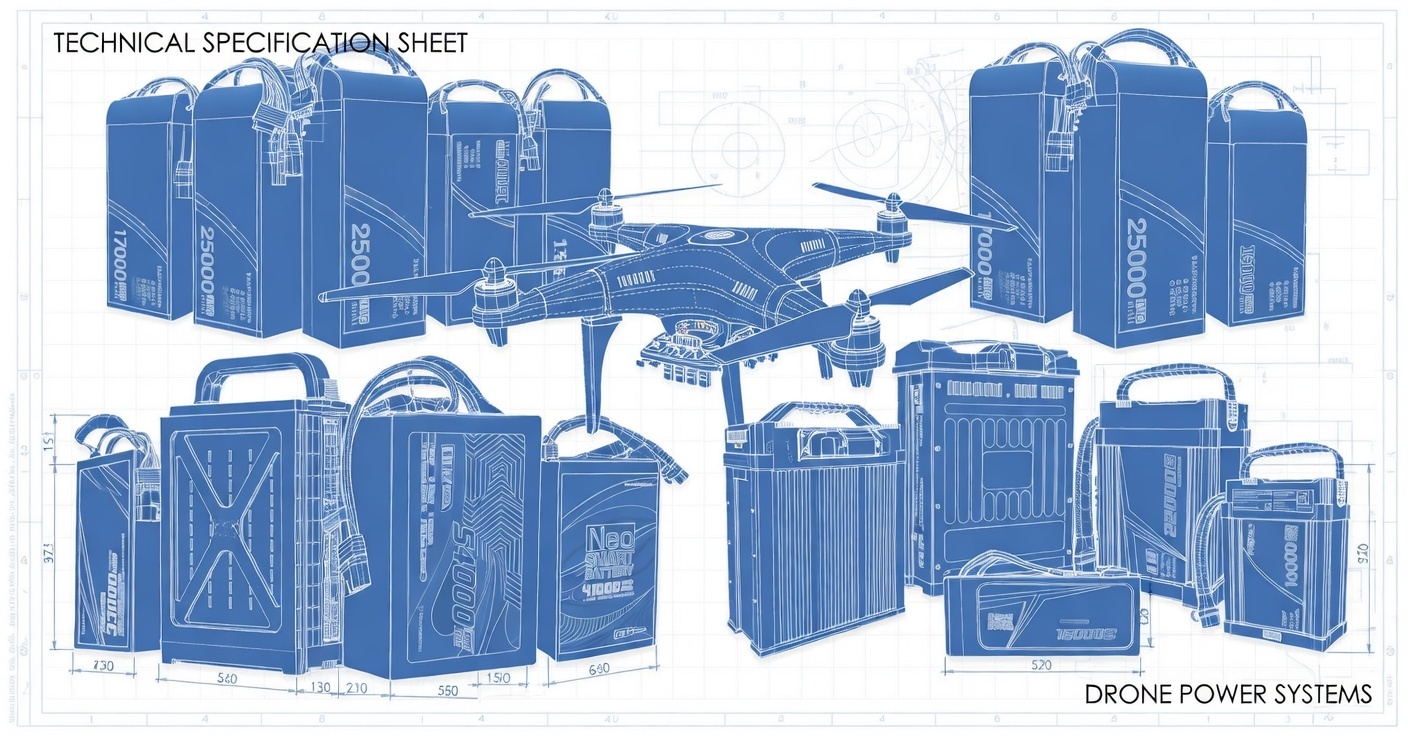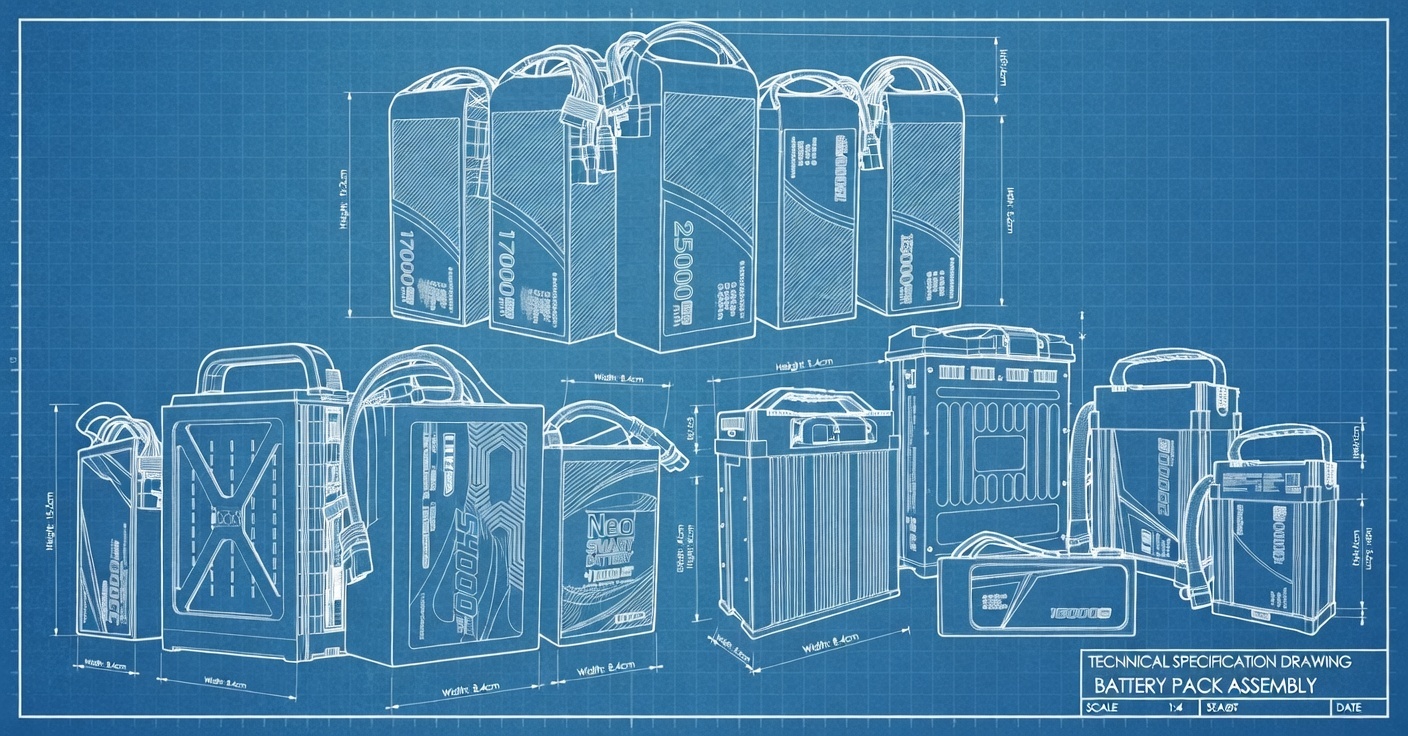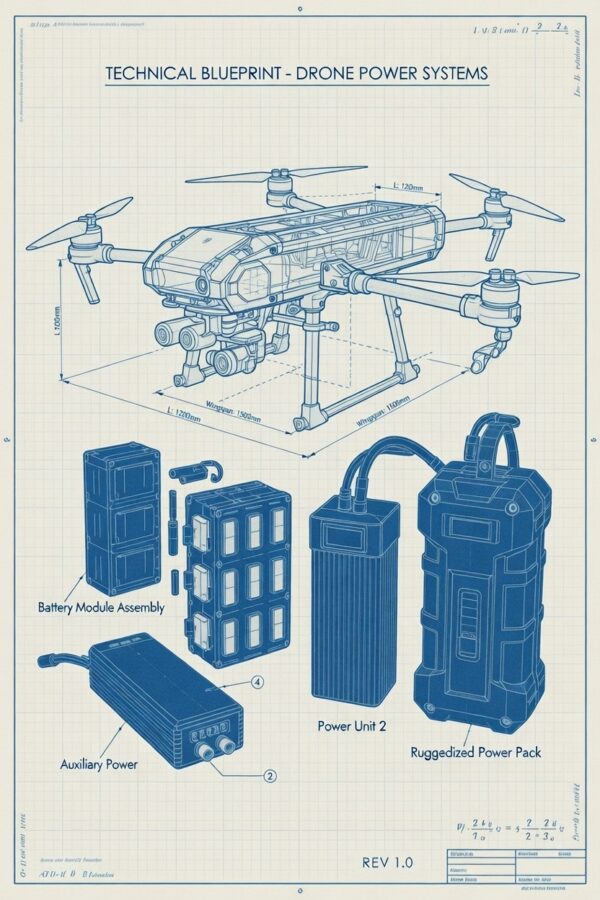
Power grid utilities increasingly rely on drone technology for inspection, monitoring, and maintenance operations. However, one critical component often overlooked during procurement is the after-sales support for drone batteries. When your aerial inspection fleet grounds due to battery failure, the cost extends far beyond replacement parts—it impacts operational continuity, safety compliance, and budget forecasting. This guide addresses the most common challenges utilities face and provides actionable solutions for securing reliable drone battery partnerships.
Diagnosing the After-Sales Support Problem
Before selecting a drone battery supplier, power grid operators must identify potential vulnerabilities in their current or prospective support arrangements. The following diagnostic questions reveal whether your battery provider delivers adequate after-sales coverage:
Question 1: What is the guaranteed response time for technical support inquiries?
Many suppliers advertise 24/7 support but fail to specify actual response windows. Utilities operating across multiple time zones require support teams that can address critical issues within 2-4 hours during operational periods.
Question 2: Does the warranty cover performance degradation or only complete failure?
Standard warranties often exclude gradual capacity loss, yet lithium battery performance naturally declines over charge cycles. Power grid inspections demand consistent flight times, making degradation coverage essential for operational planning.
Question 3: Are replacement batteries available from regional stock or shipped from overseas?
Lead times vary dramatically between local inventory (1-3 days) and international shipping (2-4 weeks). Emergency operations cannot tolerate extended downtime waiting for replacements.
Question 4: Is there a structured battery health monitoring program included?
Proactive maintenance prevents unexpected failures. Suppliers offering remote diagnostics and cycle tracking demonstrate commitment to long-term partnership rather than transactional sales.
Question 5: What training resources accompany the battery purchase?
Proper handling, storage, and charging protocols extend battery lifespan significantly. Comprehensive training materials indicate a supplier invested in customer success.
If your current supplier cannot answer these questions satisfactorily, operational risks accumulate with every flight hour.
List-Based Solutions for Secure After-Sales Support
Based on industry best practices and technical standards, here are seven actionable solutions for securing robust drone battery after-sales support tailored to power grid utility operations:
1. Demand Written Service Level Agreements (SLAs)
Never accept verbal promises regarding support responsiveness. A formal SLA should specify:
- Maximum response time for technical inquiries (ideally under 4 hours)
- Replacement battery delivery windows for emergency situations
- Escalation procedures for unresolved issues
- Penalties or credits for SLA breaches
Utilities managing critical infrastructure cannot afford ambiguous support commitments. Written agreements create accountability and provide legal recourse if service standards fall short.
2. Prioritize Suppliers with Regional Distribution Centers
Geographic proximity matters significantly for emergency replacements. Suppliers maintaining inventory in North America, Europe, or Asia-Pacific regions can deliver replacements within 48 hours versus weeks for overseas shipping. Verify warehouse locations during the evaluation process and request documentation of current stock levels for your specific battery models.
3. Require Comprehensive Warranty Terms
Standard 12-month warranties often exclude real-world degradation scenarios. Negotiate terms that cover:
- Capacity retention above 80% for specified cycle counts
- Manufacturing defects regardless of usage duration
- Thermal runaway or safety incident protection
- Pro-rated replacement costs after warranty expiration
Document all warranty terms in purchase agreements and maintain records of battery serial numbers, purchase dates, and cycle counts for claim verification.
4. Implement Battery Health Monitoring Systems
Leading suppliers now offer cloud-based monitoring platforms that track:
- Individual cell voltage balance
- Charge-discharge cycle history
- Temperature exposure during operations
- Predictive maintenance alerts based on degradation patterns
These systems enable utilities to schedule proactive replacements before failures occur, reducing unexpected groundings during critical inspection windows. Integration with existing fleet management software streamlines operational workflows.
5. Secure Dedicated Technical Account Management
Assign a dedicated account manager who understands your operational requirements and maintenance schedules. This single point of contact accelerates issue resolution and ensures continuity when personnel changes occur on either side. Request quarterly business reviews to assess support performance and address emerging needs before they become problems.
6. Verify Training and Certification Programs
Proper battery handling extends operational lifespan and maintains safety standards. Ensure suppliers provide:
- Initial onboarding training for all operational staff
- Refresher courses updated with latest safety protocols
- Certification documentation for compliance audits
- Multilingual training materials for diverse workforces
Well-trained teams reduce warranty claims caused by improper handling while maximizing battery investment returns.
7. Establish Emergency Replacement Protocols
Create documented procedures for battery failure scenarios including:
- Contact hierarchies for after-hours emergencies
- Pre-approved replacement authorization limits
- Temporary battery loaner programs during extended repairs
- Backup supplier relationships for redundancy
Test these protocols annually through tabletop exercises to identify gaps before real emergencies occur.
Maximizing User Benefits Through Strategic Partnerships
Selecting the right drone battery partner delivers measurable benefits beyond basic product functionality. Power grid utilities implementing comprehensive after-sales support strategies report:
Reduced Operational Downtime: Facilities with regional support coverage experience 60-75% less downtime from battery-related issues compared to those relying on overseas suppliers.
Improved Budget Predictability: Comprehensive warranty coverage and proactive monitoring eliminate surprise replacement costs, enabling accurate annual budgeting for battery refresh cycles.
Enhanced Safety Compliance: Training programs and monitoring systems reduce thermal incident risks while maintaining documentation required for regulatory audits.
Extended Asset Lifespan: Proper maintenance protocols and early degradation detection extend usable battery life by 20-30%, improving total cost of ownership calculations.
Operational Flexibility: Emergency replacement programs enable utilities to maintain inspection schedules despite unexpected battery failures, preserving service level commitments to stakeholders.
Conclusion: Building Long-Term Battery Support Partnerships
Drone battery procurement for power grid utilities extends far beyond initial purchase price considerations. The true value emerges through consistent after-sales support that keeps inspection fleets operational, maintains safety standards, and protects budget forecasts. By implementing the diagnostic framework and solutions outlined above, utilities can transform battery procurement from a transactional expense into a strategic partnership.
The critical differentiator between adequate and exceptional suppliers lies in their commitment to long-term customer success rather than short-term sales volume. Evaluate potential partners against the criteria presented in this guide, demand written commitments, and verify capabilities through reference checks with similar utility operations.
Ready to secure reliable drone battery after-sales support for your power grid operations? Our team specializes in comprehensive battery solutions designed specifically for utility-scale drone fleets. We offer regional inventory, dedicated technical support, and customized SLAs that align with your operational requirements.
Contact us today for a tailored consultation: https://cnsbattery.com/drone-battery-home/drone-battery-contact
Let us help you build a drone battery program that powers your inspection operations with confidence, reliability, and unmatched after-sales support.