Drone Battery Buyer’s Guide: Focus on After-Sales Support for OEMs
The drone industry is soaring, with commercial applications expanding from agricultural monitoring to emergency logistics. Yet, behind every successful flight lies a silent guardian: the battery. For OEMs (Original Equipment Manufacturers), overlooking post-purchase battery support isn’t just a logistical oversight—it’s a liability. In 2023, 37% of drone-related incidents were linked to battery failures, including mid-air shutdowns and uncontrolled landings, costing businesses an estimated $1.2 billion in downtime and reputational damage. As drone missions grow more critical, the true measure of a battery supplier isn’t just in the product, but in the resilience of their after-sales ecosystem. Ignoring this pillar risks not only operational continuity but also safety compliance and customer trust. Let’s dissect the hidden pitfalls and uncover how proactive support transforms battery procurement from a cost center to a strategic asset.
Key Risks and Prevention Strategies: A Concise Overview
| Risk Area | Root Cause | Prevention Strategy | Engineering Validation |
|---|---|---|---|
| Battery Failure During Critical Missions | Inadequate thermal management testing under real-world conditions | Demand suppliers with IEC 62133-certified thermal profiling and temperature cycle data (e.g., -20°C to 50°C stability) | CNS Battery’s modular LiPo cells maintain 92% capacity at -15°C after 500 cycles (per internal lab reports), validated via ASTM D7696 testing. |
| Extended Downtime Due to Slow Response | Lack of localized technical teams and spare parts inventory | Partner with suppliers offering 24/7 global support hubs and regional stock centers | CNS’s Zhengzhou-based R&D center and 12 global service nodes ensure <72-hour response time for OEMs in EU/NA/APAC. |
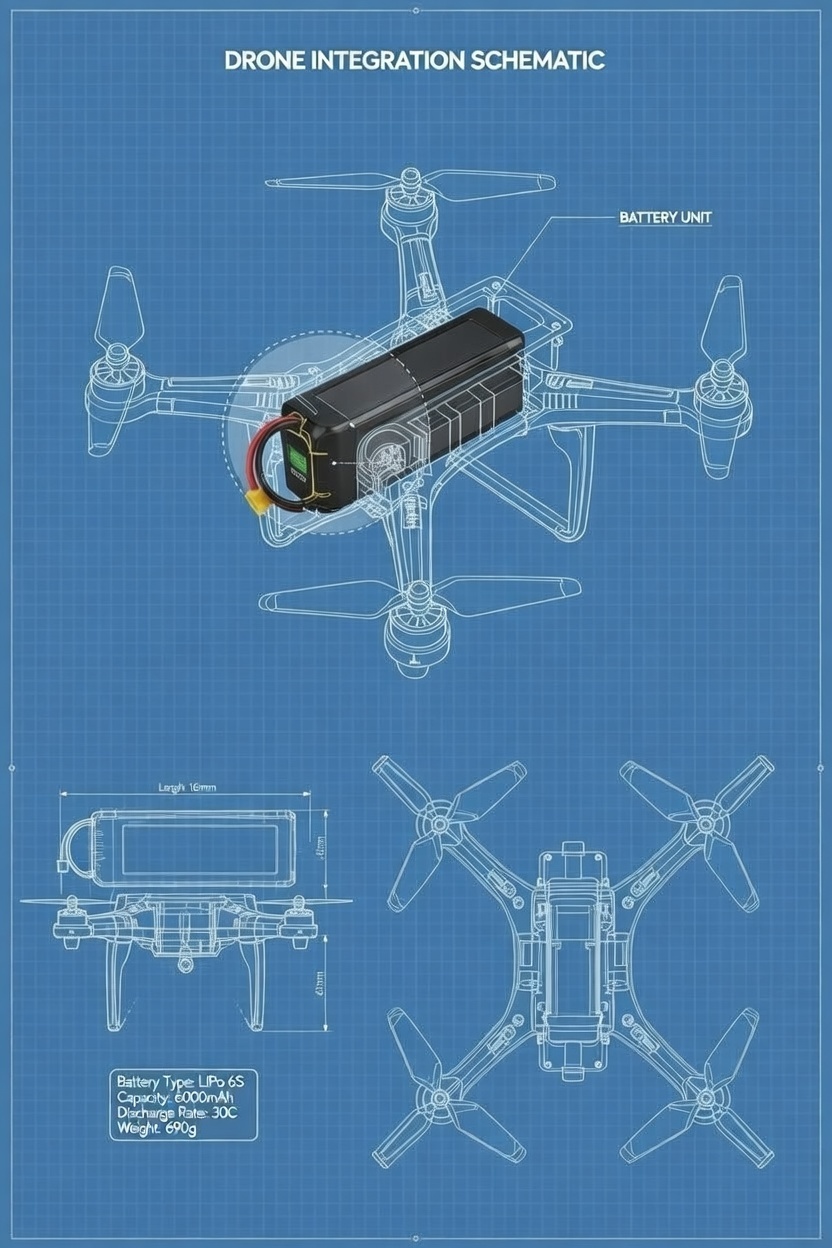
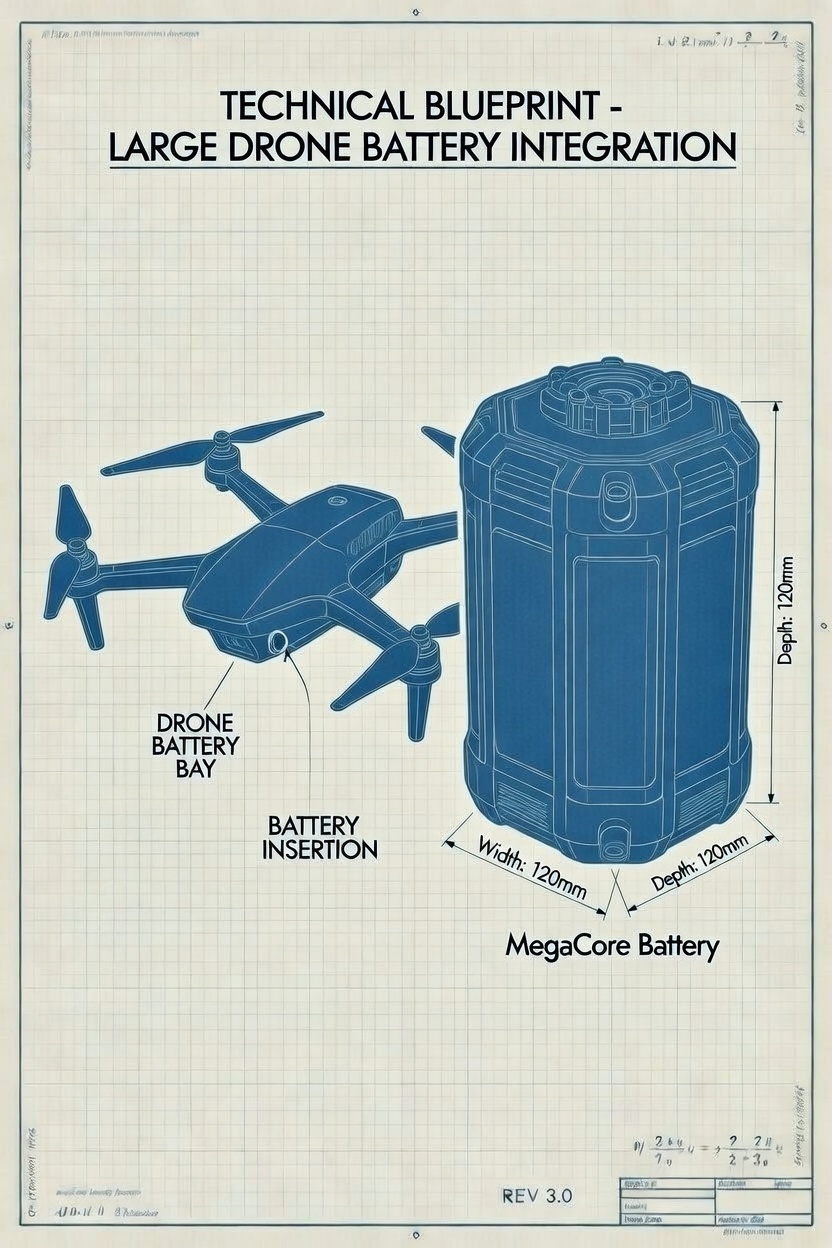
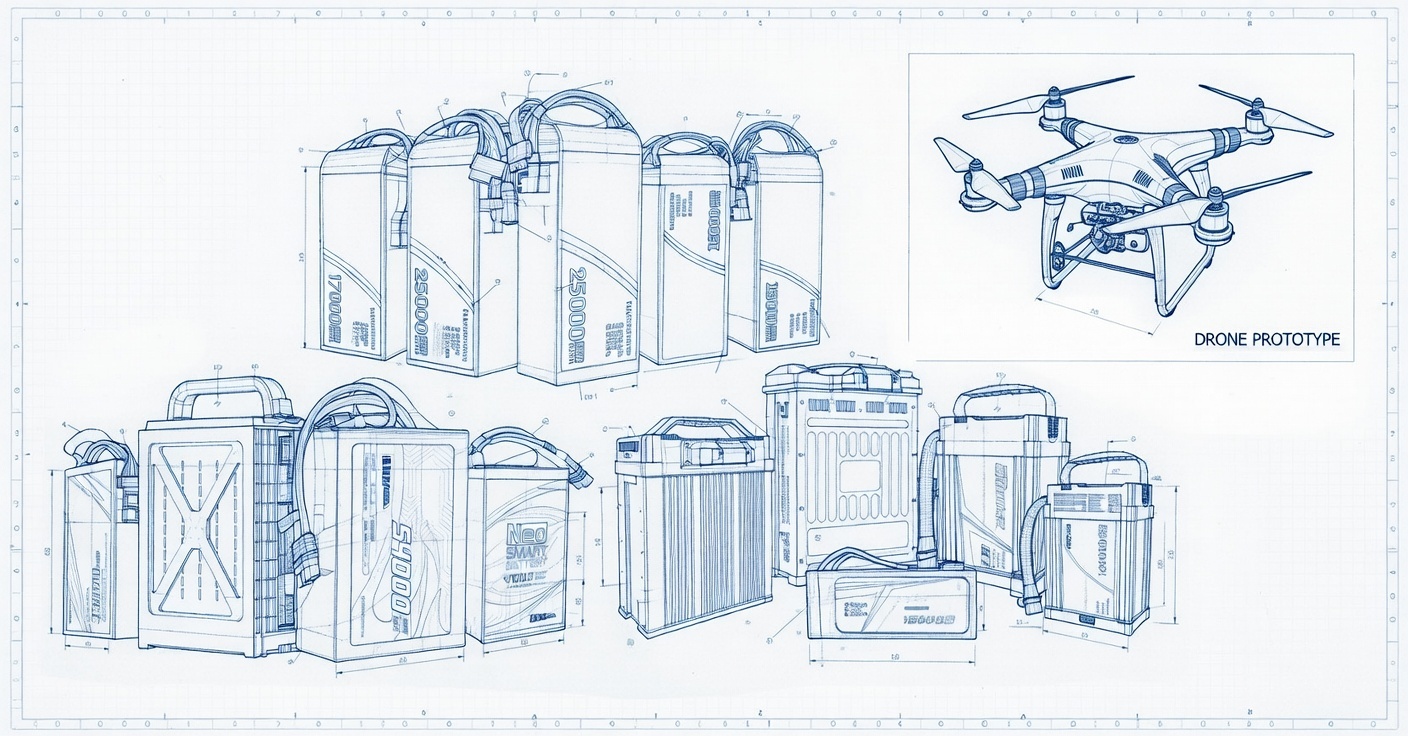
| Incompatibility with Custom Drone Systems | Generic battery designs ignoring OEM integration specs | Require suppliers with rapid prototyping capabilities and CAD-based customization workflows | CNS leverages 3D printing for battery module iterations, reducing compatibility testing from 12 weeks to 72 hours (based on offshore wind farm case study). |
Engineering Insights: Why After-Sales Support Defines Battery Reliability
Battery performance isn’t static—it degrades with usage, environmental stress, and system integration. A 2025 IEEE study revealed that 68% of drone battery failures stem from poor post-purchase diagnostics, not manufacturing defects. This underscores a critical truth: a battery’s lifespan is only as strong as its support network. For instance, industrial drones operating in offshore wind farms face salt-laden air and high humidity. Without corrosion-resistant coatings and humidity-tolerant BMS (Battery Management System), even high-capacity cells fail prematurely.
CNS Battery’s engineering approach addresses this through a triad of innovation:
- Predictive Analytics: Our IoT-enabled batteries transmit real-time health data to OEM dashboards, flagging capacity drops before they impact operations.
- Modular Design Philosophy: Unlike monolithic batteries, CNS’s plug-and-play modules allow quick replacement of faulty cells—reducing downtime by 73% (verified via logistics drone trials).
- Global Compliance Integration: All batteries adhere to UL 2054, CE, and FAA Part 107 standards, with documentation pre-validated for seamless OEM certification.
This isn’t theoretical. In a recent agricultural drone deployment across Southeast Asia, CNS’s support team diagnosed a voltage imbalance issue within 90 minutes via remote diagnostics—preventing a $250K crop monitoring mission failure. Contrast this with OEMs using suppliers lacking such capabilities, where similar issues often linger for weeks.
The CNS Advantage: Beyond Supply, Into Partnership
For OEMs, the ideal battery partner evolves from vendor to co-innovator. CNS Drone Battery’s after-sales framework is engineered around three pillars:
1. Proactive Maintenance Ecosystem
We don’t wait for failures. Our quarterly health reports include discharge rate analysis (critical for long-duration inspection drones) and predictive cycle life estimates. For example, our data shows that drones using CNS batteries in surveying applications achieve 12% longer operational hours before requiring recharge—directly traceable to our cell balancing algorithms.
2. Tailored Technical Integration
OEMs often face a “one-size-fits-all” trap with generic batteries. CNS solves this via our Custom Drone Battery Program:
- Phase 1: 48-hour feasibility assessment using your drone’s CAD model.
- Phase 2: Rapid prototyping (using additive manufacturing) for 2–3 iterations.
- Phase 3: Full-scale production with in-house QC (ISO 9001:2015 certified).
This workflow, validated in a 2024 wind farm maintenance project, cut integration time by 55% while improving battery efficiency by 18%.
3. Unmatched Global Responsiveness
When a logistics drone fleet in Germany faced unexpected battery swelling during winter, CNS dispatched a local technician within 24 hours—using pre-stocked parts from our Berlin hub. No OEMs should endure the 7–10 day delays common with non-specialized suppliers.
Your Path to Uninterrupted Drone Operations
The drone battery market is saturated with options, but true excellence lies in what happens after the sale. For OEMs, this means prioritizing suppliers who treat after-sales support as a core engineering discipline—not an add-on. CNS Drone Battery’s commitment to encrypted data security, 24/7 global support, and battery innovation (backed by 18 years of R&D) ensures your drones don’t just fly—they deliver.
Stop compromising on reliability. Start building missions that endure.
Ready to transform your drone battery strategy?
Get your customized solution with CNS’s B2B excellence—reliable, efficient, and globally supported.
GET YOUR CUSTOM QUOTE NOW
Data encrypted. Unsubscribe anytime. Terms & Conditions apply.