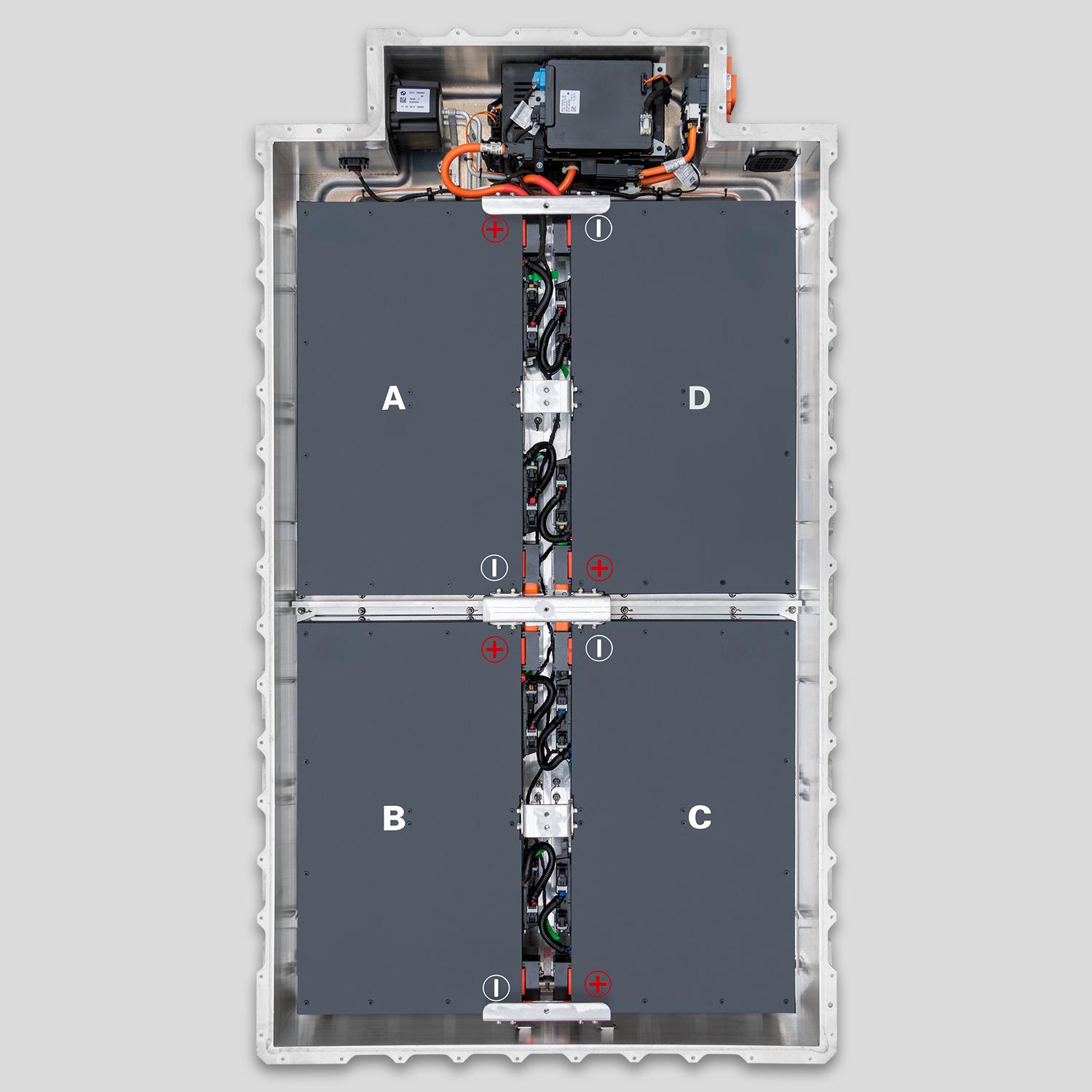
DIY New Nissan Leaf e+ Battery Installation: A Comprehensive Guide
The Nissan Leaf e+ battery upgrade represents the ultimate transformation for your electric vehicle, offering a significant range boost and modern performance. As a seasoned EV battery specialist, I understand the hesitation many Leaf owners face when considering this upgrade. The fear of complex electronics, high costs, and compatibility issues often holds people back. However, with the right preparation and components, this is a project that can be tackled with confidence, even by those with moderate mechanical skills. This guide is designed to walk you through the entire process, focusing on the practical aspects of upgrading to a high-capacity e+ battery pack.
Why Upgrade to a Nissan Leaf e+ Battery?
Before we dive into the wrench work, it is crucial to understand the “why” behind this upgrade. The standard Nissan Leaf models (ZE0, AZE0) originally came with 24kWh, 30kWh, or 40kWh batteries. While reliable, these packs often suffer from degradation after years of use, reducing the driving range to a point where daily usability becomes a challenge.
The Leaf e+ platform, introduced with the ZE1 chassis, utilizes larger battery packs ranging from 62kWh to 80kWh. By retrofitting one of these newer, high-capacity packs into your older Leaf, you achieve several critical goals:
- Range Revival: You can effectively double or even triple your driving range, bringing your car up to modern EV standards.
- Zero Degradation: Unlike sourcing used packs from salvage yards, upgrading with a brand-new battery (such as those manufactured with CATL cells) means starting with 100% health.
- Cost Efficiency: Replacing the battery is typically 50% cheaper than buying a brand-new Leaf e+.
Essential Pre-Installation Considerations
Upgrading your battery is not just about swapping a box; it is an electrical system integration. To ensure a smooth DIY experience, you must verify compatibility and gather the necessary tools.
Compatibility Check:
While the physical chassis of the ZE0/AZE0 and ZE1 models are similar, the battery dimensions differ. The e+ batteries (62kWh/80kWh) are larger than the older 24-40kWh units. You must ensure that the battery mounting points in your vehicle chassis align with the new pack. Furthermore, the Battery Management System (BMS) and communication protocols must be compatible. Using a battery designed specifically for Nissan Leaf upgrades, such as those engineered to OEM standards, eliminates the guesswork.
Tools and Safety Gear:
This is not a job for bare hands. Lithium-ion batteries store immense energy.
- Safety: Insulated gloves, safety glasses, and a class D fire extinguisher nearby.
- Mechanical: Jack stands, a transmission jack or engine hoist (rated for the battery weight, approx. 300-400kg), wrenches, and pry bars.
- Electrical: Multimeter, dielectric grease, and terminal cleaner.
Step-by-Step Installation Process
Based on extensive field experience and feedback from technicians who have performed thousands of these swaps, here is the standard procedure for a Nissan Leaf e+ battery installation.
Step 1: Preparation and Disconnection
Safety is paramount. Park the car on a level surface and engage the parking brake. Disconnect the 12V auxiliary battery to cut power to the vehicle’s control systems. Failure to do this first can result in dangerous short circuits when handling the high-voltage connectors.
Step 2: Removing the Old Battery
Accessing the battery requires lifting the car securely on jack stands. Remove the underbody plastic shields. You will see the high-voltage connectors and the mechanical mounting bolts. Carefully disconnect the high-voltage cables (positive, negative, and any auxiliary connectors), ensuring the terminals do not touch any metal. Using a transmission jack, support the battery pack and slowly lower it out of the chassis. This step can take 45 minutes to an hour, depending on corrosion and bolt tightness.
Step 3: Preparing the New e+ Battery
Before lifting the new battery into place, inspect it thoroughly. If you are using a brand-new 62kWh Leaf e+ battery pack, ensure the terminals are clean. Apply dielectric grease to prevent corrosion. Verify that the wiring harness length matches your vehicle’s configuration.
Step 4: Installing the New Pack
This is where having a helper or a professional engine hoist is invaluable. The e+ batteries are heavy and bulky. Maneuver the new pack into the chassis, aligning the mounting brackets. This is often the most physically demanding part, as you need to thread the bolts while keeping the massive pack steady. Once the bolts are hand-tight, torque them to the manufacturer’s specifications.
Step 5: Reconnection and “Plug-and-Play” Verification
Reconnect the high-voltage cables. A quality aftermarket battery, engineered to OEM standards, should be a “plug-and-play” solution. This means the connectors should match the existing harness in your car without modification. Reinstall the underbody shields.
Step 6: System Initialization
Reconnect the 12V battery. Turn the key to the “On” position (do not start the car yet). The car’s BMS will communicate with the new battery. You may need to perform a reset or a “forced balance” depending on the specific BMS used. In many cases, the car will recognize the new battery immediately, showing a full charge state on the dashboard.
Post-Installation Tips and Maintenance
After the installation, it is recommended to perform a full charge and discharge cycle to help the BMS calibrate the State of Charge (SOC) accurately. Monitor the battery temperature and voltage during the first few drives.
Why Choose a Professional-Grade Solution?
While the physical installation is mechanical, the heart of the upgrade is the battery chemistry. Many DIYers are tempted by cheap, used batteries. However, these often suffer from hidden degradation and safety risks. Opting for a newly manufactured pack using high-quality cells (like CATL) ensures you get the full rated capacity and a warranty for peace of mind.
Frequently Asked Questions (FAQ)
1. Is it difficult to install a Nissan Leaf e+ battery myself?
It is a moderately complex job rated for intermediate to advanced DIYers. The primary challenges are the weight of the battery (requiring proper lifting equipment) and ensuring correct high-voltage safety protocols. If you have changed an oil pan or performed basic suspension work, you likely have the mechanical aptitude. However, if you are uncomfortable with high-voltage systems, hiring a mechanic is recommended.
2. Will my old charger and onboard systems work with the new e+ battery?
Yes. A properly engineered Nissan Leaf e+ battery upgrade is designed to OEM specifications. This means the voltage, communication protocols (CAN bus), and physical connectors are identical to the original factory parts. Your car will recognize the new battery as if it came from the factory, requiring no modifications to the charger or motor controller.
3. What is the benefit of buying a new battery versus a used one?
Buying a brand-new battery pack eliminates the risk of “used” problems. Used batteries from salvage yards are often 5-10 years old and have already lost 20-30% of their capacity. A new pack starts at 100% health, offers a full warranty (typically 2 years or 80,000km), and uses fresh, high-grade cells, ensuring safety and maximum range longevity.
4. How much does a Nissan Leaf e+ battery upgrade cost?
The cost varies depending on capacity (62kWh vs 80kWh) and cell quality. Generally, you are looking at a fraction of the cost of a new car. For specific pricing and to verify compatibility with your specific Leaf model year, it is best to consult with a battery specialist.
5. How long does the installation take?
For a professional technician, the swap usually takes 1 to 2 hours. For a DIYer doing it for the first time, expect to spend 3 to 4 hours. This includes the time to lift the old battery out, clean the chassis, and install the new unit.
Ready to revive your Nissan Leaf with a new e+ battery? Ensure your upgrade is safe and compatible.