
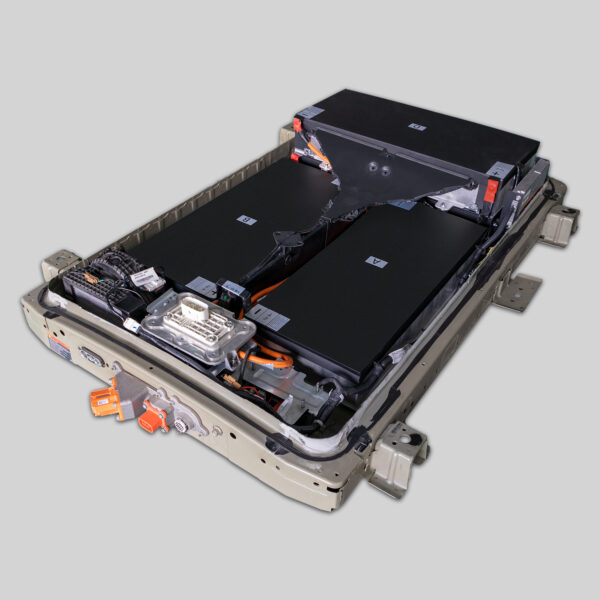
DIY Leaf Plus Power Battery vs AESC: The Ultimate Upgrade Guide
Is your Nissan Leaf Plus struggling to keep up with your daily commute? You’re not alone. As one of the most popular electric vehicles on the road, the Leaf Plus (specifically the ZE1 model) relies heavily on its battery chemistry. While the original AESC (Automotive Energy Supply Corporation) batteries were revolutionary in their time, many owners now face the harsh reality of degradation and limited range.
If you’re debating between a DIY repair kit and a brand-new replacement, or wondering why AESC cells might be holding you back, this guide is for you. As a specialist in Nissan EV batteries, we break down the hard truths about AESC vs. modern Lithium Iron Phosphate (LFP) technology and why a complete pack replacement is often the smarter, safer investment.
⚡ The Achilles’ Heel of AESC: Why Old Tech Fails
The Nissan Leaf Plus (ZE1) originally came equipped with AESC lithium-ion battery packs. While reliable for early EV adoption, this technology has inherent limitations compared to today’s standards.
- Chemistry Limitations: AESC cells are prone to “sudden death” degradation. Unlike gradual capacity loss, these cells can lose significant range seemingly overnight due to internal resistance issues.
- Heat Sensitivity: AESC chemistry is notoriously sensitive to heat. Without perfect thermal management (which the Leaf’s passive cooling system struggles with), these cells degrade rapidly in warmer climates.
- Module Dependency: The Leaf Plus uses a module-based system. If one module fails, the entire car stops. Repairing AESC modules is often a temporary fix, as the remaining cells are just as old and fragile.
🛠️ The DIY Trap: Why “Repair Kits” Often Lead to Regret
Many owners search for a “DIY Leaf Plus Power Battery” solution to save money. While the idea of swapping a few modules yourself is appealing, it comes with significant risks:
- Mismatched Cells: DIY kits often require mixing new cells with your old, degraded AESC cells. This creates an imbalance in the battery pack, leading to rapid failure and potential safety hazards.
- Complexity: The Leaf Plus battery management system (BMS) is complex. Simply replacing cells often requires specialized programming tools to reset the BMS, which most DIYers don’t possess.
- Short Lifespan: A repaired AESC pack might last 6 months to a year before the remaining old cells drag the performance down again.
Expert Insight: At CNS BATTERY, we’ve seen countless customers spend $1,000-$2,000 on DIY repairs only to need a full replacement shortly after. The math often doesn’t add up.
🆕 The Smart Alternative: Factory-Grade Replacement Packs
Instead of patching up the old technology, upgrading to a brand-new CNS BATTERY pack offers a permanent solution. We don’t recycle old AESC cells; we build from the ground up using the latest CATL (Contemporary Amperex Technology Co. Limited) cells.
Key Advantages of a New Pack vs. DIY/AESC:
| Feature | DIY Repair / AESC Refurb | CNS New Battery Pack |
|---|---|---|
| Core Cells | Used/Refurbished (AESC) | Brand New (CATL Grade A) |
| Chemistry | NMC (Heat Sensitive) | LFP / Advanced NMC (Stable) |
| Warranty | 3-6 Months (Typical) | 2 Years / 80,000 km |
| Performance | Unstable, Degrades Fast | Guaranteed Capacity & Range |
| Installation | Complex Soldering/Tools Needed | Plug-and-Play (OEM Standard) |
🏆 Why Choose a CNS BATTERY Pack?
When you choose to replace your Leaf Plus battery with a CNS solution, you’re not just getting new cells; you’re upgrading the entire driving experience.
1. Superior Cell Technology
We utilize brand-new CATL cells, which are the industry standard for reliability. These cells offer better thermal stability and a longer cycle life compared to the aging AESC technology found in your current pack.
2. OEM Precision & Safety
Our packs are engineered to meet Original Equipment Manufacturer (OEM) standards. This means:
- Perfect Fit: No modifications to your Leaf’s chassis or wiring are required.
- Zero Faults: Our packs are pre-programmed to communicate seamlessly with your Nissan’s BMS, eliminating error codes.
- Safety First: We use advanced Battery Management Systems (BMS) to monitor every cell, preventing overcharging and overheating.
3. The Ultimate Range Boost
Why settle for the original 226-mile (EPA) range when you can upgrade? Our customization options allow you to potentially increase your kWh rating. Imagine turning your Leaf Plus into a long-distance cruiser with a 68kWh or even 80kWh setup, all while maintaining the car’s original weight distribution and handling.
4. Cost-Effectiveness
While a new pack from the dealership can cost upwards of $15,000, a CNS BATTERY offers the same (or better) quality for roughly 50% less. This isn’t just a repair; it’s a cost-effective way to extend the life of your vehicle for another 10 years.
💡 Making the Switch: What to Expect
Switching from your old AESC battery to a new CNS pack is a straightforward process, especially when compared to a DIY module swap.
- Compatibility Check: Before you buy, verify your model (ZE1, AZE0, or ZE0). Our experts can confirm the perfect fit using your VIN number.
- Installation: For a professional mechanic, installation typically takes 1-2 hours. It’s a simple drop-in replacement.
- Peace of Mind: Once installed, you’ll enjoy the 2-year warranty and lifetime technical support. No more worrying about range anxiety or sudden battery failure.
📝 Conclusion: Upgrade, Don’t Patch
Don’t let the limitations of AESC battery technology ruin your driving experience. While the DIY route might seem tempting, it often leads to frustration, safety risks, and wasted money.
By investing in a brand-new CNS BATTERY pack, you are essentially giving your Nissan Leaf Plus a second life. With brand-new CATL cells, a comprehensive warranty, and OEM-level engineering, you’ll enjoy a driving range and reliability that surpasses the original factory specifications.
Ready to revive your Leaf Plus? Stop searching for unreliable DIY kits and get a free, no-obligation quote for a custom battery solution today.
❓ Frequently Asked Questions (FAQ)
Q1: Can I really install the CNS battery myself, or do I need a mechanic?
While we provide detailed video tutorials and manuals, we generally recommend installation by a certified technician. Handling high-voltage EV batteries requires specific safety protocols (like wearing insulated gloves and properly disconnecting the vehicle). However, our packs are designed for “Plug-and-Play” functionality, meaning the wiring harnesses match the OEM standard exactly, making the physical swap much simpler than a DIY cell replacement.
Q2: What is the actual lifespan difference between a repaired AESC battery and a new CNS pack?
A repaired AESC battery typically lasts between 6 months to 2 years, depending on the quality of the repair and the remaining health of the old cells. In contrast, a new CNS BATTERY pack, utilizing brand-new CATL cells, is designed to last 8-10 years or more under normal driving conditions, backed by our 2-year unconditional warranty.
Q3: Will a new CNS battery work with my Nissan Leaf’s dashboard and charging system?
Yes. Our batteries are engineered to communicate perfectly with the Nissan Leaf’s BMS. You will see full bars on your dashboard, accurate State of Charge (SOC) readings, and compatibility with both Level 1/2 home chargers and DC fast chargers (if your Leaf model supports it).
Q4: How does the price compare to a Nissan OEM replacement?
A brand-new OEM battery from a Nissan dealership can cost between $12,000 and $16,000. A CNS BATTERY pack provides the same (or superior) performance using brand-new cells for approximately $7,000 to $9,000, saving you over 50% on the cost.
Q5: Do you ship internationally to my country?
Yes, we support international sales to over 50 countries. We handle customs compliance and offer DDP (Delivered Duty Paid) service for most regions. Lithium batteries are classified as dangerous goods, so we partner with specialized carriers like DHL and FedEx to ensure safe delivery. Contact our sales team for specific shipping options to your location.

