DIY Leaf Plus Power Battery Installation: High Safety Rating & Step-by-Step Guide
The Nissan Leaf Plus (specifically the Leaf Plus / T0 / SZ model) is a workhorse of the electric vehicle world. However, as these vehicles age, the original batteries inevitably degrade, leaving owners with a tough choice: face the exorbitant cost of an OEM replacement or find a reliable, high-performance alternative. If you are looking for a DIY Leaf Plus power battery installation that prioritizes a high safety rating, you are in the right place.
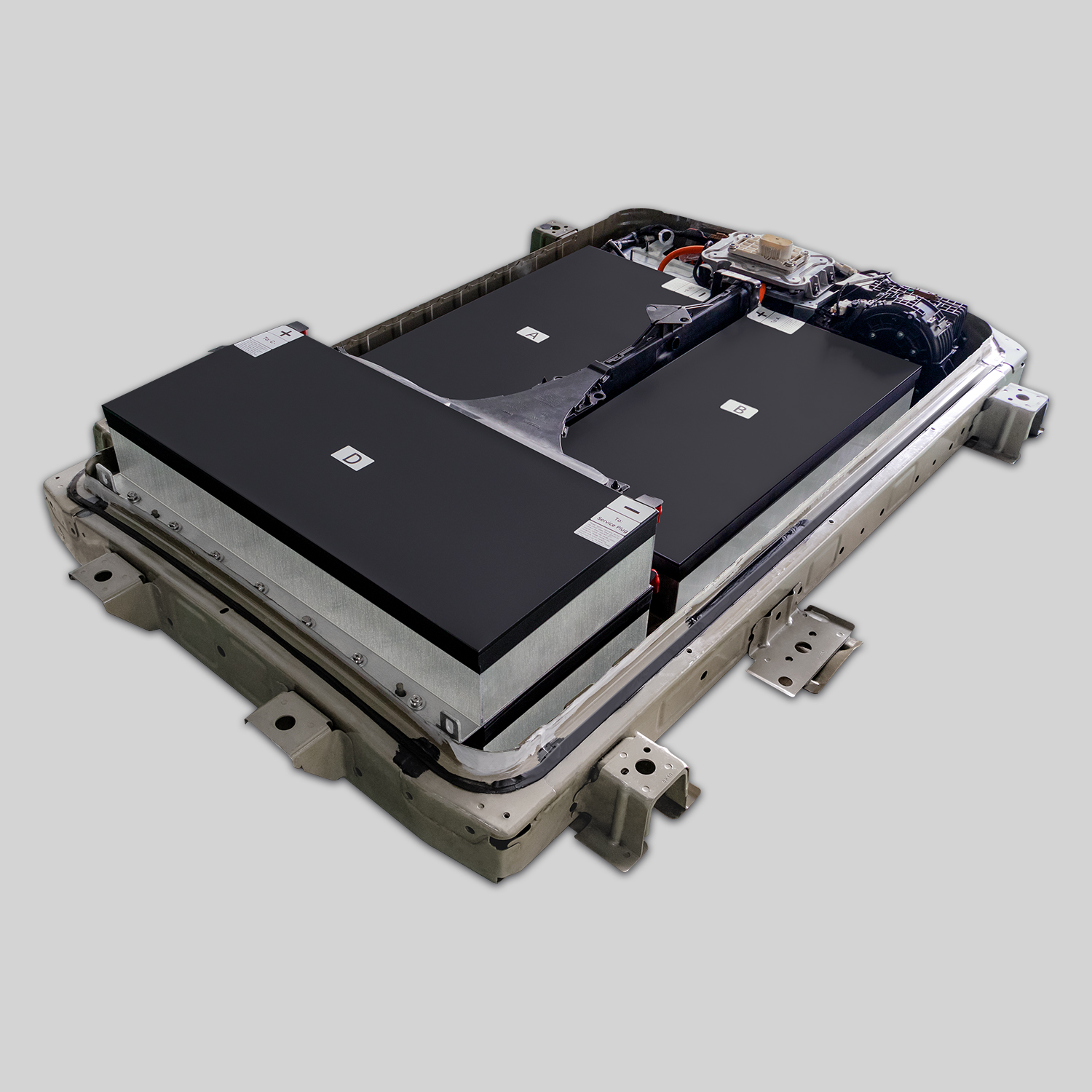
At CNS Battery, we specialize in providing OEM-compatible, brand-new lithium-ion battery packs designed specifically for Nissan Leaf models, including the Leaf Plus. Our packs are built using CATL (Contemporary Amperex Technology Co. Limited) brand-new battery cells, ensuring the highest safety standards and eliminating the risks associated with refurbished or recycled cells.
This comprehensive guide will walk you through the benefits of upgrading your Leaf Plus battery, the safety protocols you must follow, and the step-by-step installation process to get you back on the road with confidence.
Why Choose a CNS Battery for Your Leaf Plus Upgrade?
Before diving into the installation, it is crucial to understand why the quality of the battery pack directly impacts your safety and driving experience.
Many DIY enthusiasts are tempted by cheaper, recycled battery modules found online. However, these often come with hidden risks such as internal short circuits, swelling, and thermal runaway. In contrast, CNS Battery offers a solution that combines affordability with industrial-grade safety.
Key Advantages of the CNS Battery Solution:
- Brand-New CATL Cells: We utilize Grade A, brand-new cells from the world’s largest battery manufacturer, ensuring stability and a high safety rating.
- OEM Compatibility: Our packs are engineered to fit the Leaf Plus chassis perfectly, maintaining the original vehicle’s structural integrity.
- Cost Efficiency: Save over 50% compared to the cost of an original manufacturer battery while enjoying comparable performance and a longer lifespan.
Pre-Installation Safety Checklist
Safety is paramount when working with high-voltage systems. Before you begin the DIY Leaf Plus power battery installation, ensure you have the following:
- Personal Protective Equipment (PPE): Insulated rubber gloves, safety glasses, and non-conductive footwear.
- Tools: Torque wrench, insulated socket set, rubber mallet, and a digital multimeter.
- Workspace: A clean, dry, and well-ventilated garage or workshop. Ensure the vehicle is parked on a level surface with the parking brake engaged.
Warning: Never work on the battery pack immediately after driving. Allow the vehicle to cool down for at least 2 hours to prevent burns or electrical hazards.
Step-by-Step DIY Leaf Plus Power Battery Installation Guide
This guide assumes you are replacing the entire battery pack. If you are only replacing modules, the process differs significantly.
Step 1: Disconnect the High-Voltage System
- Open the hood and locate the High Voltage (HV) Service Disconnect or the main fuse box.
- Remove the service plug or disconnect the 12V auxiliary battery to cut all power to the vehicle’s systems.
- Wait for at least 10 minutes to allow the capacitors in the inverter to discharge.
Step 2: Remove the Underbody Panels
- Crawl underneath the Leaf Plus. You will need to remove the plastic underbody shields and the metal splash guards.
- Keep track of the bolts, as they will be reused during reassembly.
Step 3: Disconnect the Battery Cables
- Locate the large high-voltage cables and the low-voltage signal connectors attached to the existing battery pack.
- Carefully unplug the connectors. Do not force them. Take photos of the wiring layout for reference during the new installation.
Step 4: Remove the Old Battery Pack
- Using a floor jack with a wide wooden board (to distribute weight), support the center of the battery pack.
- Remove the retaining bolts securing the battery to the chassis.
- Slowly lower the jack and slide the old battery out.
Step 5: Install the New CNS Battery
- Slide the new CNS Leaf Plus battery pack into place.
- Align the mounting holes and tighten the bolts to the manufacturer’s specified torque (usually between 40-50 Nm).
- Reconnect all high-voltage and signal cables. Ensure the connectors click securely into place.
Step 6: Reassembly and Testing
- Reinstall the underbody panels and shields.
- Reconnect the 12V battery or reinsert the service plug.
- Turn on the ignition. The dashboard should display “Ready” or “Power On.” Use a multimeter to check for any voltage leaks on the chassis.
Post-Installation: Programming and Warranty
One of the most common hurdles in a DIY Leaf Plus power battery installation is the BMS (Battery Management System) programming. Unlike simple plug-and-play devices, the EV battery needs to communicate with the vehicle’s computer.
- BMS Programming: CNS Battery provides detailed programming guides and, if necessary, remote video support from our engineers to ensure your new pack is recognized by the vehicle. This step is critical for monitoring the state of charge and health of your new high safety rating battery.
- Warranty Assurance: We back our confidence in our build quality with an industry-leading 2-year / 80,000 km warranty. This covers defects in materials and workmanship and includes prorated coverage for performance degradation, ensuring your battery maintains at least 70% capacity.
Frequently Asked Questions (FAQ)
Q1: Is it safe to perform a DIY Leaf Plus battery replacement?
A: Yes, provided you follow strict safety protocols. You must disconnect the 12V battery and wait for the capacitors to discharge before touching any high-voltage cables. Wearing insulated gloves is mandatory. If you are uncomfortable with high-voltage systems, we recommend consulting a professional technician, though many of our customers successfully complete this upgrade themselves using our video tutorials.
Q2: What is the difference between a new battery pack and a refurbished one?
A: Refurbished batteries are made from used cells salvaged from scrap vehicles. They often have hidden defects, uneven cell health, and a high risk of swelling or failure. Our CNS Battery packs use brand-new CATL cells, guaranteeing a longer lifespan, better thermal management, and a higher safety rating. You are essentially getting a “new” battery at half the price of the OEM.
Q3: Will the new battery fit my specific Leaf model (ZE0, AZE0, ZE1)?
A: CNS Battery specializes in Nissan models. We offer packs compatible with the Leaf ZE0, AZE0, ZE1, and the Leaf Plus. To ensure perfect fitment, please provide your VIN (Vehicle Identification Number) to our customer service team before purchasing. We will verify the connector types, dimensions, and voltage requirements match your vehicle.
Q4: How long does the installation take?
A: For a professional mechanic, the physical swap usually takes about 1-2 hours. For a DIY enthusiast, it may take 3-4 hours, depending on your experience level and the tools available. Remember to factor in additional time for the BMS programming process.
Q5: What if I encounter a problem during installation?
A: We offer comprehensive support. Our technical team provides step-by-step installation videos and PDF manuals. If you get stuck, you can schedule a free video call with our engineers for real-time guidance. We are committed to ensuring your installation is successful.
Ready to Upgrade Your Nissan Leaf Plus?
Don’t let a degraded battery limit your range or your budget. With CNS Battery, you gain access to a high safety rating, brand-new power solution that is engineered to OEM standards.
If you are ready to take the next step or have specific questions about your vehicle’s compatibility, our experts are here to help.