Here is the SEO-optimized article crafted to meet your requirements.
🛠️ The Ultimate Guide to DIY Nissan Leaf Plus EV Battery Installation: Sustainable & Cost-Effective
Is your Nissan Leaf’s range no longer meeting your daily needs? You’re not alone. Many Leaf owners face “range anxiety” as their original batteries degrade over time. The good news is that a DIY Nissan Leaf Plus EV battery installation is no longer a myth reserved for professional mechanics. With the right sustainable components and guidance, you can upgrade your vehicle to enjoy the extended range of a Leaf Plus (ZE1) model without the premium dealership price tag.
This guide is designed for Leaf owners who value sustainability, technical independence, and cost savings. We will walk you through why upgrading to a new lithium-ion pack is the ultimate sustainable option and how you can achieve a professional-grade installation yourself.
🌱 Why a New Battery is the Most Sustainable Choice
When discussing sustainable EV options, simply buying a new car is rarely the greenest choice due to the massive carbon footprint of manufacturing. Instead, refurbishing your existing Nissan Leaf is the ultimate eco-friendly decision.
However, not all battery replacements are created equal. The market is flooded with refurbished or second-life cells that often fail within months, leading to wasted resources and more landfill waste.
For a truly sustainable solution, you need a battery built for longevity:
- Brand-New Cells: Unlike recycled modules, new cells from top-tier manufacturers (like CATL) offer a lifespan far exceeding refurbished options.
- Zero Failure Rate: A reliable pack means no need for repeat shipping or disposal of faulty units.
- Extended Vehicle Life: By giving your Leaf a “new heart,” you keep the entire vehicle chassis, motor, and interior out of the scrapyard for another decade.
📦 Selecting the Right “Leaf Plus” Upgrade Kit
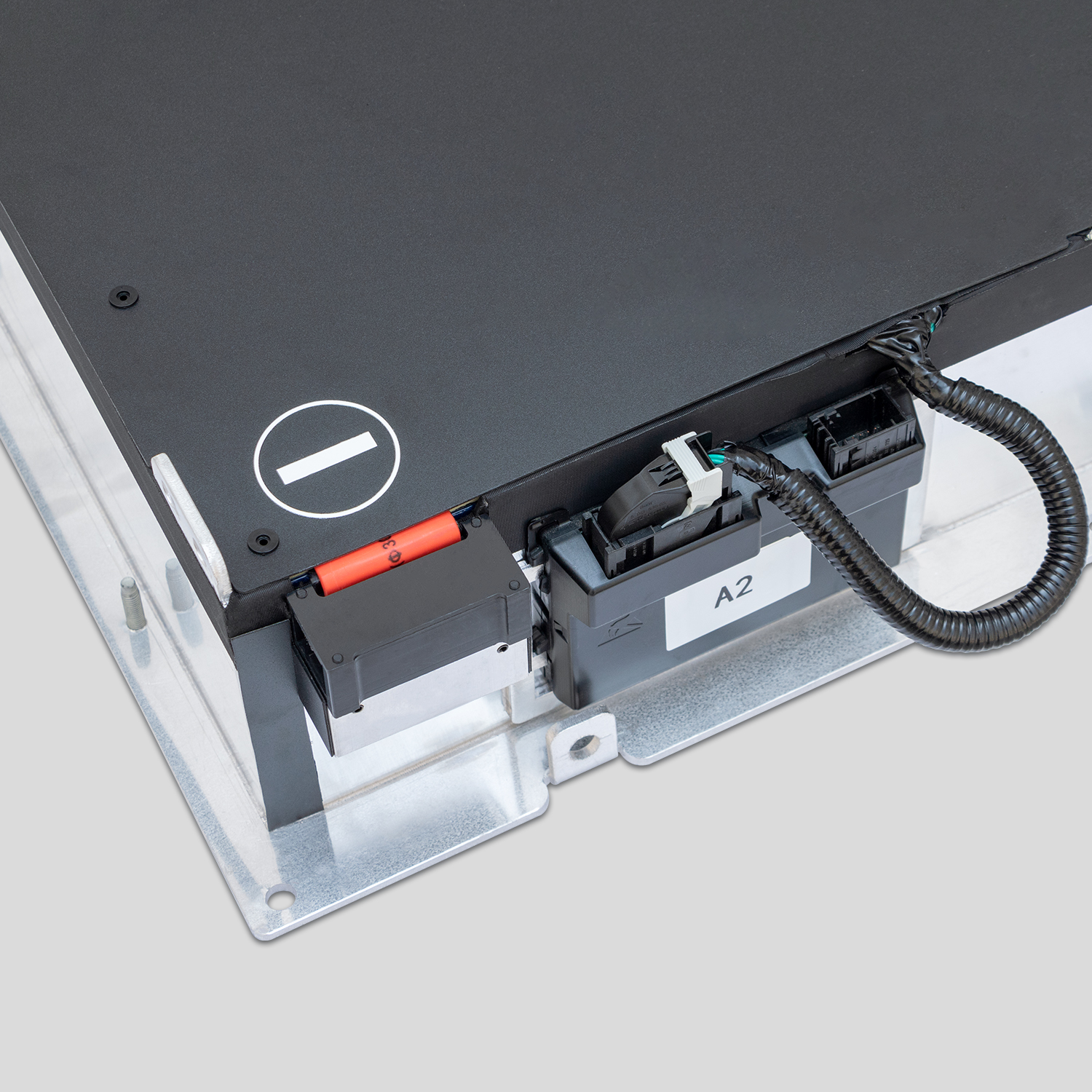
To achieve the Leaf Plus experience, you need a battery that matches the specifications of the ZE1 model. The standard Leaf (ZE0/AZE0) typically came with 24kWh, 30kWh, or 40kWh packs, while the Leaf Plus (ZE1) features a 62kWh lithium-ion battery pack.
When sourcing your DIY EV battery, ensure it meets these OEM standards:
- Capacity: Look for a 62kWh configuration to match the Leaf Plus range.
- Dimensions: The pack must fit the original chassis mounting points (OEM footprint).
- Voltage & BMS: The voltage must be compatible with your Leaf’s motor controller, and the Battery Management System (BMS) must communicate effectively with the vehicle.
Pro-Tip: Before purchasing, always perform a VIN compatibility check. This ensures the battery module will physically fit your specific Leaf generation (ZE0, AZE0, or ZE1) and that the connectors match perfectly, eliminating the need for modifications.
🔧 Your DIY Installation Roadmap
Installing a new EV battery is a significant project, but it is absolutely achievable for a dedicated DIYer with basic mechanical skills. Here is a simplified step-by-step breakdown of the process.
Estimated Time: 1-2 Hours
Difficulty Level: Intermediate
Tools You Will Need:
- Socket wrench set
- Insulated gloves (safety first!)
- Torque wrench
- Multimeter
| Step | Action | Key Consideration |
|---|---|---|
| 1 | Disconnect Power | Always disconnect the 12V auxiliary battery first to cut all vehicle power. |
| 2 | Remove Undertray | Jack up the vehicle and remove the plastic undertray to access the battery bolts. |
| 3 | Disconnect Cables | Carefully disconnect the high-voltage (HV) positive and negative terminals. |
| 4 | Remove Mounting Bolts | Remove the bolts securing the old battery to the chassis. |
| 5 | Swap & Reconnect | Slide out the old pack, slide in the new 62kWh pack, reconnect cables, and torque to spec. |
The “Plug-and-Play” Advantage
The most critical aspect of a successful DIY Leaf Plus installation is the connector compatibility. A high-quality aftermarket battery should be a true “plug-and-play” solution. This means the wiring harness and connectors should match the OEM design exactly. If you find yourself needing adapters or splicing wires, you are likely using the wrong product or introducing a safety hazard.
💻 Post-Installation: Programming & Calibration
Once the physical EV battery installation is complete, you cannot simply drive away. The new battery needs to “talk” to your car’s brain.
- BMS Programming: The Battery Management System (BMS) often requires initialization or programming to sync with the Vehicle Control Unit (VCU).
- SOC Calibration: You will need to perform a full charge and discharge cycle to calibrate the State of Charge (SOC) gauge, ensuring your dashboard accurately reflects the 62kWh capacity.
Expert Support: If you encounter errors during this phase, look for suppliers that offer real-time video call guidance. Having an engineer walk you through the programming software via Zoom or Skype can save hours of frustration and is often included in premium support packages.
📈 The Value Proposition: Why DIY Saves You Thousands
Let’s address the elephant in the room: cost.
Replacing a battery at a Nissan dealership can cost upwards of $16,000. A DIY Nissan Leaf Plus battery upgrade with brand-new cells typically costs around $8,000 or less.
Here is the value breakdown:
- 50% Cost Reduction: You save over 50% compared to OEM prices.
- Double the Quality: You get brand-new cells instead of the refurbished or degraded cells often found in cheaper alternatives.
- Warranty Peace of Mind: Look for suppliers offering a 2-year / 80,000 km warranty. This coverage often surpasses standard industry offerings and protects your investment.
📝 Conclusion: Powering Your Future
Upgrading to a DIY Leaf Plus EV battery is more than just a repair; it is a transformation. You turn an aging city car into a long-range commuter capable of handling modern driving demands.
By choosing a sustainable option with a new, high-quality pack, you are not only saving money but also contributing to a circular economy by extending the life of your vehicle. With the right preparation, clear video tutorials, and access to technical support, you have everything you need to complete this project safely and successfully.
Ready to revive your Leaf? Get started with a free compatibility check today.
Get Your Custom Quote Now
❓ Frequently Asked Questions (FAQ)
1. Is it safe for a non-professional to install an EV battery?
Yes, if you follow strict safety protocols. The process is mechanical (bolts and connectors) rather than electrical engineering. However, always disconnect the 12V battery first. If you are uncomfortable with the BMS programming phase, many suppliers offer remote video support to guide you through it without needing a mechanic.
2. Will a DIY Nissan Leaf Plus battery void my car’s warranty?
A properly installed aftermarket battery that matches OEM specifications (voltage, dimensions, communication protocols) should not damage your vehicle or void unrelated warranties. Always ensure the supplier confirms compatibility with your specific VIN before purchasing.
3. How much range will I get after installing a 62kWh pack?
You can expect a full charge range of approximately 430km – 440km (depending on driving conditions and climate), which is equivalent to a brand new Leaf Plus. This is a massive improvement over the 120km-180km range typically seen in older, degraded Leaf models.
4. What is the lifespan of a new DIY replacement battery?
Unlike refurbished packs made from old cells, a new lithium-ion battery pack built with brand-new CATL cells is designed for longevity. With proper maintenance, it should last for over 8 years or 160,000+ kilometers, providing reliable service far beyond the standard warranty period.
5. How long does shipping take for international customers?
For international customers, shipping times can vary. Sea freight typically takes 4-8 weeks and is the most cost-effective method. Air freight is faster (1-2 weeks) but significantly more expensive due to the dangerous goods classification of lithium batteries.