Here is the SEO-optimized article tailored for Nissan Leaf Plus owners, focusing on DIY installation and OEM compatibility.
The Ultimate Guide to Upgrading Your Nissan Leaf Plus with a DIY Battery Swap
If you own a Nissan Leaf Plus (specifically the Leaf E+ or models requiring a 62kWh upgrade) and are facing range anxiety or high dealership replacement costs, you are likely exploring your options. The factory replacement price for a Leaf Plus battery can be astronomical—often exceeding $10,000 USD. This has driven a surge in demand for DIY (Do-It-Yourself) battery replacements.
But “DIY” can be intimidating when dealing with high-voltage lithium-ion systems. The key to a successful, safe, and cost-effective upgrade lies in finding a battery that is not just cheap, but Certified Compatible with your vehicle’s specific BMS (Battery Management System) and physical chassis.
This guide breaks down why the Nissan Leaf Plus is a prime candidate for a retrofit and how to ensure your DIY project is a success.
Why Choose a DIY Nissan Leaf Plus Battery Upgrade?
The Nissan Leaf Plus (released in 2018 and later for the US market, and known as the Leaf 40kWh/62kWh variants internationally) uses a larger format battery pack compared to the standard Leaf. When these degrade, the repair cost is often prohibitive.
The DIY Advantage:
- Cost Reduction: A professional replacement at a dealership can cost over $15,000. A high-quality aftermarket DIY kit can cut this cost by 50% or more.
- Reviving Your EV: Instead of trading in a car with a perfectly good motor and chassis, you simply swap the “fuel tank.”
- Control: You control the quality of the cells and the installation timeline.
However, the biggest risk in a DIY swap is compatibility. You cannot simply drop any 62kWh lithium pack into the Leaf Plus chassis; it must match the OEM dimensions, voltage curves, and communication protocols.
What is “Certified Compatible” and Why is it Critical?
When searching for a “DIY Nissan Leaf Plus battery,” you will see terms like “OEM compatible” or “Plug-and-Play.” However, Certified Compatibility goes a step further.
For a battery to be truly Certified Compatible with a Nissan Leaf Plus, it must meet three strict criteria:
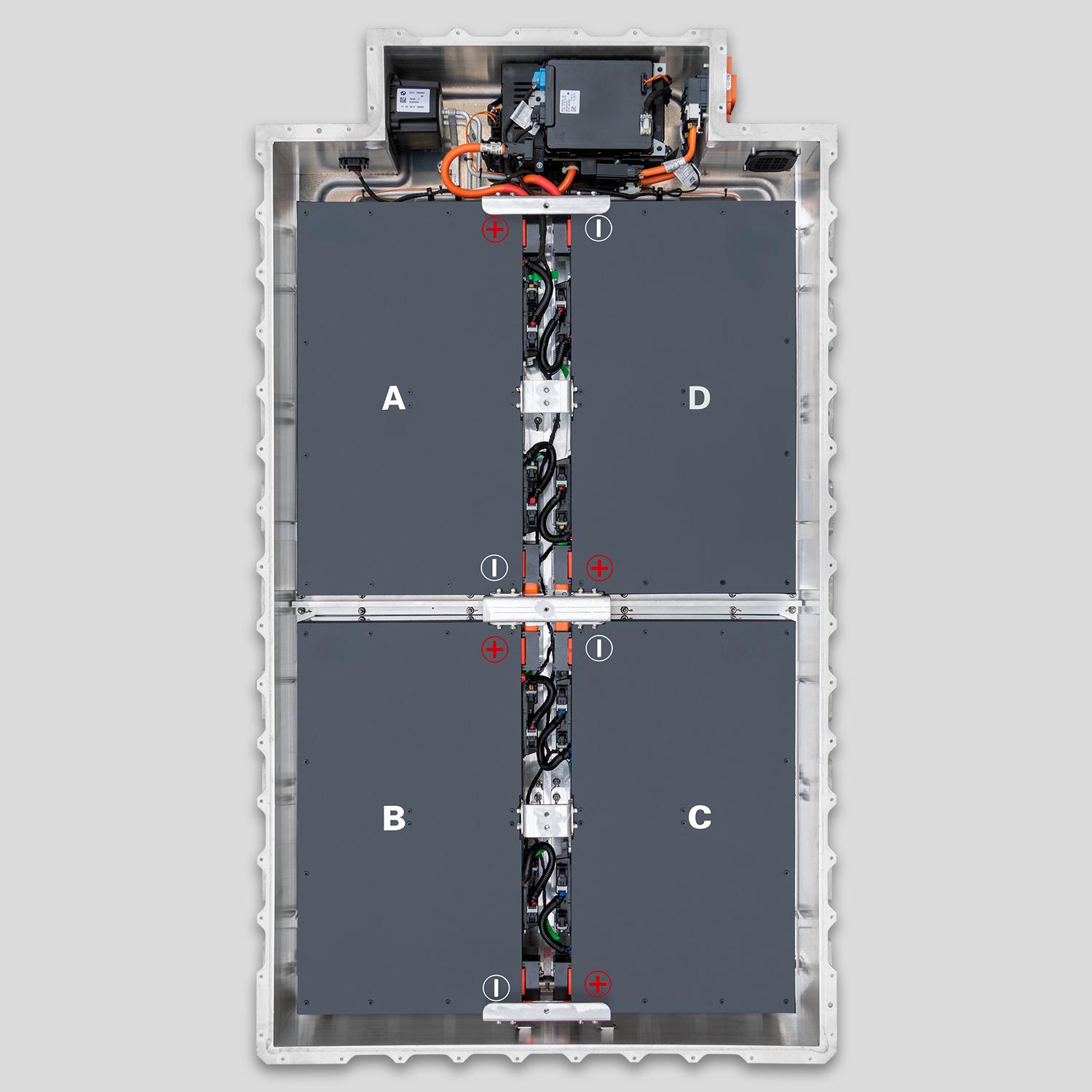
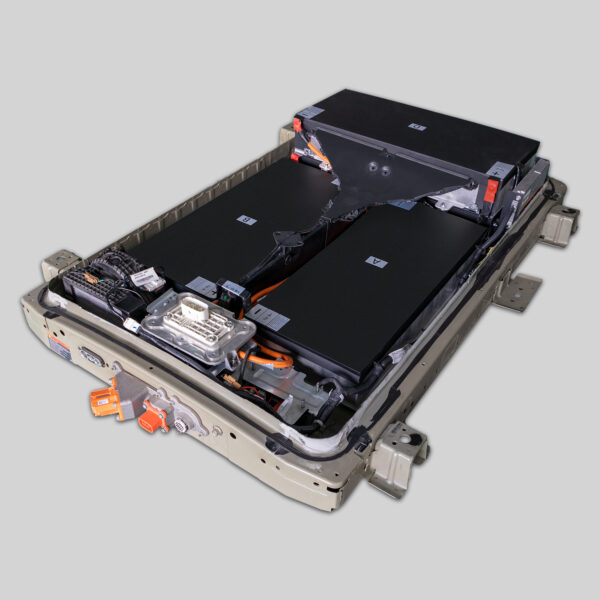
- Physical Fitment: The battery case must be molded to fit the Leaf Plus chassis without modification. The lift points must align with factory hoists, and the dimensions must prevent interference with the undercarriage shielding.
- Electrical Interface: The High Voltage (HV) connectors and Low Voltage (LV) communication harnesses must match the OEM design. This ensures that the car recognizes the battery immediately upon installation.
- BMS Communication: The Battery Management System must speak the exact “language” of the Nissan Leaf ECU. This is where many generic batteries fail, leading to error codes or failure to charge.
Warning: Using a non-certified battery often requires “hacking” the BMS or modifying the physical case, which voids warranties and creates safety hazards.
The CNS BATTERY Solution: OEM Standards for DIY Enthusiasts
At CNS BATTERY, we specialize in providing Certified Compatible solutions for Nissan (and BMW) models. We understand that Leaf Plus owners choosing the DIY route need absolute reliability.
1. Plug-and-Play Engineering
Our Nissan Leaf Plus (62kWh) battery packs are engineered to meet Original Equipment Manufacturer (OEM) standards. This means:
- Exact Dimensions: Designed specifically for the Leaf AZE0/ZE1 chassis.
- OEM Connectors: Utilizes the same connector types as the factory unit, ensuring a seamless electrical connection.
- No Modifications: There is no need to cut cables or reshape the battery box.
2. Genuine CATL Cells
We do not use recycled or refurbished cells. Our packs are built using brand-new CATL (Contemporary Amperex Technology Co. Limited) lithium cells. CATL is a global leader in battery technology, and using their cells ensures the longevity and thermal stability your Leaf Plus requires.
3. Pre-Sale Compatibility Check
Before you buy, we offer a Free Compatibility Assessment. Simply provide your VIN (Vehicle Identification Number), and our technical team will confirm that the 62kWh pack is the correct match for your specific Leaf model year. This step prevents costly mistakes.
Your Step-by-Step DIY Installation Guide
Installing a 62kWh battery is a significant job, but it is manageable with the right preparation. Here is a general overview of the process for a Certified Compatible pack:
Phase 1: Preparation (Safety First)
- Disconnect 12V Battery: Always start by disconnecting the negative terminal of the 12V auxiliary battery to cut power to the ECU.
- Lift the Vehicle: Use a hydraulic lift or high-quality jack stands. The Leaf Plus battery sits underneath the cabin.
- Remove Undertray: Remove the plastic underbody shield to access the battery bolts.
Phase 2: Removal of Old Battery
- Unbolt: The Leaf Plus battery is secured by approximately 32 bolts. Remove these carefully.
- Disconnect HV & LV: Disconnect the high-voltage orange cable connector and the low-voltage communication harness. Tag these cables so you remember their orientation.
Phase 3: Installing the New Certified Battery
- Lift and Align: Using a transmission jack or engine hoist, lift the new CNS BATTERY pack into the chassis. Align the lift points.
- Reconnect: Reconnect the LV harness first, followed by the HV connector.
- Torque Bolts: Reinstall the 32 bolts to the factory torque specification (usually around 30-40 Nm).
Phase 4: Programming and Testing
- BMS Wake-up: Once installed, reconnect the 12V battery. The car should recognize the new battery.
- First Charge: Perform a full charge cycle using a Level 2 charger. Monitor the cell voltages via the OBD2 port if possible to ensure balance.
Expert Tip: If you encounter any issues during the BMS handshake (programming), CNS offers remote video guidance to walk you through the software reset process.
Why Quality Matters: Avoiding the “Cheap Battery” Trap
The market is flooded with low-cost lithium batteries, but for a Leaf Plus, cutting corners is dangerous.
- Refurbished vs. New: Many cheap suppliers use salvaged “jellyroll” cells from other wrecked EVs. These cells have random degradation and can lead to swelling, thermal runaway, or sudden death within months.
- Warranty Coverage: A true Certified Compatible battery comes with a substantial warranty. We offer a 24-month / 80,000 km warranty on our packs, which is significantly longer than the industry standard for aftermarket batteries.
Conclusion: Revive Your Leaf Plus Today
Upgrading your Nissan Leaf Plus battery with a DIY approach is not just about saving money; it is about sustainability and taking control of your vehicle’s lifespan. By choosing a Certified Compatible battery built with brand-new CATL cells, you ensure that your EV drives like new, with the safety and range you expect.
Don’t let a dead battery end your Leaf’s journey. With the right preparation and a high-quality replacement, you can get back on the road with confidence.
Frequently Asked Questions (FAQ)
Q1: Is it safe to install a Nissan Leaf Plus battery myself?
Yes, provided you follow safety protocols. Always disconnect the 12V battery first. If you are not comfortable working with high-voltage systems, we recommend hiring a certified mechanic. However, our packs are designed for “Plug-and-Play,” and we provide video tutorials and remote support to assist DIYers.
Q2: How do I know if this battery fits my specific Leaf model?
Different Leaf generations (ZE0, AZE0, ZE1) have different battery sizes. To ensure Certified Compatibility, please Contact Our Technical Experts and provide your VIN. We will verify the fitment for free before you purchase.
Q3: What is the warranty on the DIY Nissan Leaf Plus battery?
We offer a 2-year / 80,000 km warranty on all our new lithium battery packs. This covers defects in materials and workmanship, including capacity retention (ensuring the battery maintains at least 70% capacity over the warranty period).
Q4: How long does the installation take?
For a professional technician, the swap typically takes 1-2 hours. For a DIY user with basic tools, expect the process to take approximately 2-3 hours, depending on your experience level.
Q5: What type of cells are used in the CNS Leaf Plus battery?
We exclusively use brand-new, premium-grade lithium cells from CATL (Contemporary Amperex Technology Co. Limited). We do not use recycled, refurbished, or second-hand cells, ensuring maximum lifespan and safety.
Ready to upgrade your Nissan Leaf Plus? Get a free custom quote and compatibility check today.