Here is the SEO-optimized article tailored for the Nissan Leaf Plus community, focusing on budget-friendly upgrades and DIY installation.
Revive Your Nissan Leaf Plus: The Ultimate DIY Budget Battery Upgrade Guide
Is your Nissan Leaf Plus struggling to make it through the week? If you own a Leaf Plus (specifically the 62 kWh models like the MY2019-2022), you know the heart of your vehicle is its battery pack. When range anxiety sets in due to degradation, the factory replacement cost can be staggering. However, there is a smarter, more affordable path forward.
This guide is designed for the DIY Leaf Plus owner who wants to restore their vehicle’s legendary 226-mile (EPA) range without breaking the bank. We will walk you through the process of selecting a high-quality, budget-friendly replacement battery and provide a roadmap for a successful DIY installation.
1. The Cost Crisis: Why Factory Replacement Isn’t the Only Option
The Nissan Leaf Plus (specifically the ZE1 chassis code) originally came equipped with a massive 62 kWh lithium-ion battery pack. Replacing this pack through a dealership or official refurbishment channels often costs between $12,000 and $16,000. For many owners, this price tag is higher than the car’s current market value, forcing a difficult choice: scrap a perfectly good car or find an alternative.
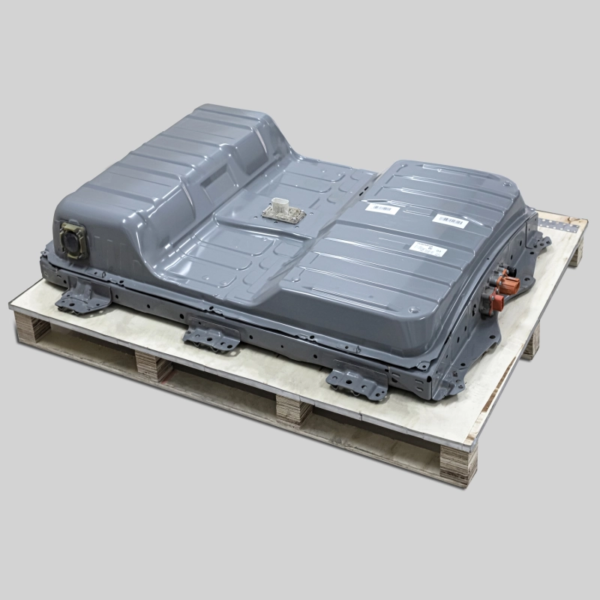
This is where the aftermarket comes in. A growing number of Leaf Plus owners are turning to OEM-compatible replacement batteries. These are newly manufactured packs that are engineered to fit the Leaf Plus chassis perfectly but are offered at a fraction of the cost.
Why is this a viable solution?
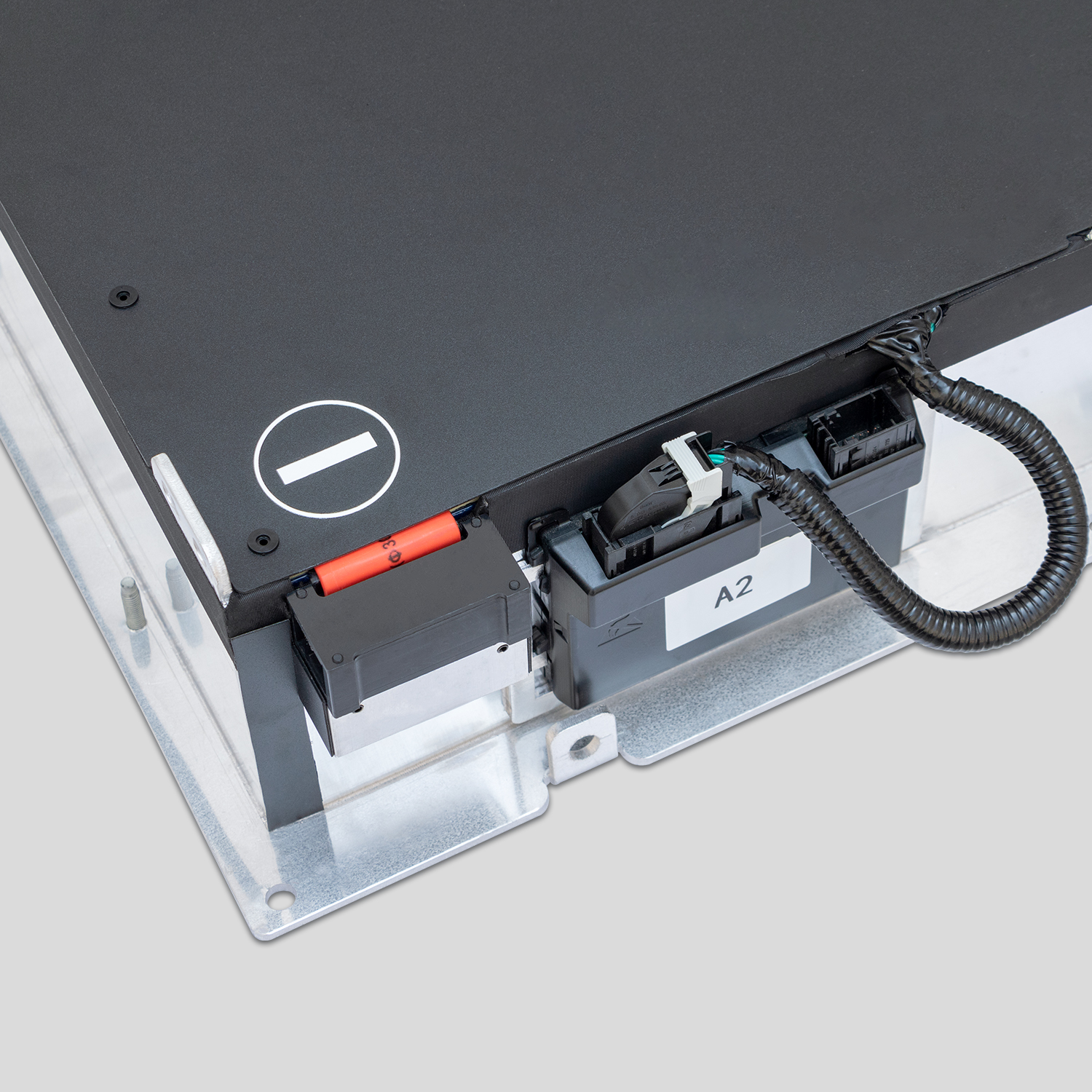
Modern third-party manufacturers, like CNS Battery, utilize brand-new battery cells from top-tier suppliers (such as CATL) rather than recycled or repurposed cells. This means you are not just buying a used battery; you are buying a brand-new energy storage system designed to Nissan’s voltage and communication specifications.
2. Finding the Perfect Fit: Nissan Leaf ZE1 62 kWh Batteries
When searching for a replacement, compatibility is king. You cannot put a standard Leaf 40 kWh battery into a Leaf Plus; the software and physical dimensions are different.
You are specifically looking for a battery compatible with the Nissan Leaf ZE1. This chassis code denotes the second generation of the Leaf, and the Leaf Plus variants require the high-capacity modules.
Based on the latest market research and manufacturer capabilities, here is a comparison of what to look for in a budget-friendly replacement:
| Feature | Standard Refurbished Battery | New OEM-Compatible (e.g., CNS) |
|---|---|---|
| Core Cells | Recycled/Used cells (Aged) | Brand New CATL/Contemporary Cells |
| Price Range | $7,000 – $10,000 | $5,000 – $8,000 |
| Warranty | Often 1 year or none | 2 Years / 80,000 km |
| DIY Suitability | Risky (Unknown cell history) | High (Plug-and-Play Design) |
Note: Prices are estimates based on current market data (2026).
The key advantage of opting for a new, compatible pack is the “Plug-and-Play” nature. Unlike complex EV conversions, these batteries are designed to mimic the original OEM communication protocols, meaning your Leaf Plus dashboard and BMS (Battery Management System) will recognize the new pack immediately.
3. The DIY Installation Process: Is Your Leaf Plus a Good Fit?
One of the most appealing aspects of the Nissan Leaf (and by extension, the Leaf Plus) is its reputation for serviceability. While dropping a 700+ lb battery pack is a serious job, it is entirely feasible for a home mechanic with the right tools and a friend to help.
Tools You Will Need:
- A robust engine crane or transmission jack (capable of 1000+ lbs).
- Basic socket sets (Metric).
- Insulated gloves (Safety First).
- A torque wrench.
Estimated Time: A first-time DIYer should budget 2 to 3 hours for the removal of the old pack and the installation of the new one. This includes the time needed to disconnect the high-voltage harness and remove the underbody shielding.
The Process in Brief:
- Safety First: Disconnect the 12V battery to kill all power.
- Drain & Disconnect: Remove the underbody panels. You do not need to drain coolant for the battery removal itself, but ensure the area is clean.
- Lower the Pack: There are specific mounting bolts securing the pack. With the crane attached, you carefully lower the old unit.
- Swap & Connect: Lift the new battery into place. Connect the HV (High Voltage) cables and the CAN bus communication lines.
- The Moment of Truth: Reconnect the 12V battery. The car should boot up, recognize the new battery health, and display a full state of charge (SOC) after a reset.
Expert Tip: Many budget-friendly replacement manufacturers offer free video call support. If you get stuck on the BMS programming or wiring, having an engineer guide you via Zoom can save hours of frustration.
4. Why Choose a New 62 kWh Pack for Your Leaf Plus?
Beyond the obvious cost savings, upgrading your Leaf Plus with a new compatible battery offers several long-term benefits:
- Zero Degradation Start: You are starting from 100% capacity. This means your car will regain its original “Plus” range, eliminating the need for daily charging for most drivers.
- Enhanced Safety: New batteries come with updated Battery Management Systems (BMS) that monitor cell temperature and voltage more effectively than a decade-old pack.
- Extended Vehicle Life: By investing in the battery, you effectively buy another 10 years of reliable transportation from a vehicle that already has a solid chassis and motor.
Real-World Result: Owners who have made this switch report that their driving experience is “like new.” The acceleration remains brisk, the regenerative braking works perfectly, and the peace of mind knowing you have a 2-year warranty on the most expensive component is invaluable.
5. Frequently Asked Questions (FAQ)
Q1: Is it safe to install a non-OEM battery in my Nissan Leaf Plus?
Yes, provided you source it from a reputable manufacturer that adheres to OEM voltage and communication standards. Look for suppliers who use brand-new A-grade cells (not recycled) and provide a substantial warranty (such as 2 years). These batteries undergo rigorous testing to ensure they meet the thermal and electrical specifications of the original Nissan design.
Q2: Will a DIY installation void my car’s remaining warranty?
Generally, replacing the battery pack will affect the powertrain warranty related to the battery itself. However, for a Leaf Plus that is likely out of its original factory warranty, this is a non-issue. It is always recommended to check your specific vehicle’s warranty status, but for most owners in 2026, this upgrade is the only way to keep the car on the road.
Q3: How much range can I expect after the upgrade?
You should expect to regain the original EPA-rated range of your Leaf Plus model, which is approximately 226 miles for the ZE1. Real-world driving (with AC/Heating) will typically yield between 180-200 miles on a full charge, which is a massive improvement over a degraded pack.
Q4: Can I really do this myself, or do I need a mechanic?
If you are comfortable changing your own oil or brakes, you can likely do this. The physical removal requires heavy lifting equipment, but the electrical connection is straightforward. Most manufacturers provide detailed video tutorials and phone support to guide you through the BMS handshake process.
Conclusion
The Nissan Leaf Plus is a fantastic electric vehicle that deserves a second life. You shouldn’t have to scrap a reliable car just because the battery chemistry has aged.
By choosing a budget-friendly, OEM-compatible 62 kWh battery, you are making a smart financial decision and an environmentally conscious one. You are restoring your car’s range, safety, and value.
Ready to get your Leaf Plus back on the road with a brand-new battery?
Don’t let a dead battery end your EV journey. Get a free, no-obligation quote today and see how affordable a full restoration can be.