
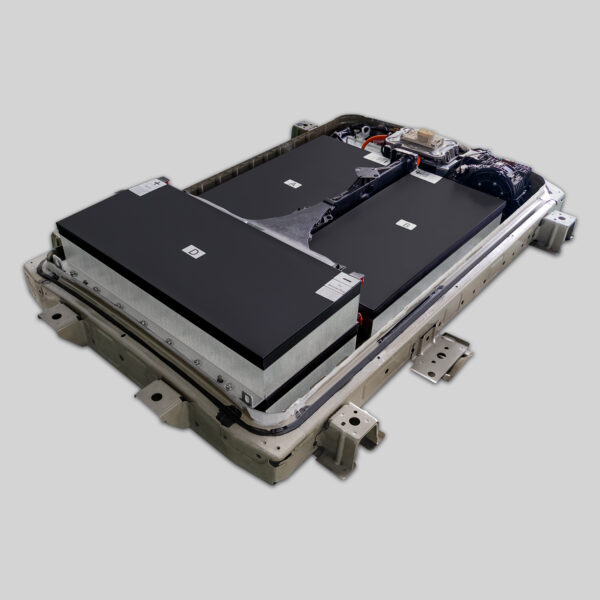
The Ultimate Guide to DIY Nissan Leaf LFP Battery Installation
Are you tired of the “range anxiety” that comes with your aging Nissan Leaf? If you’re a hands-on owner looking to breathe new life into your EV, a DIY Leaf LFP battery installation is the most cost-effective upgrade you can make. At CNS BATTERY, we understand that Leaf owners are a unique breed—they are technical, value-driven, and often prefer to handle complex repairs themselves to save thousands.
This guide is designed to walk you through the process of upgrading to a Long-Life Lithium Iron Phosphate (LFP) battery, ensuring high safety ratings and maximum performance. We will cover the “why” behind the switch, the “how” of the installation, and why choosing a professional OEM-compatible solution is critical for your safety and the longevity of your vehicle.
Why Upgrade to an LFP Battery?
Before we dive into the installation process, let’s discuss why Lithium Iron Phosphate (LFP) technology is superior to the aging Lithium Manganese Oxide (LMO) chemistry found in older Leaf models (ZE0, AZE0).
- Unmatched Safety: LFP chemistry is inherently stable. Unlike traditional lithium-ion batteries, LFP does not overheat or catch fire easily. This is why our LFP batteries carry a high safety rating—they are resistant to thermal runaway.
- Longer Lifespan: While your old Leaf battery might degrade to 70% capacity in just a few years, LFP batteries can last for over a decade. We are talking about a cycle life that is often double or triple the original.
- Better Cold Weather Performance: While all batteries suffer in the cold, LFP handles low temperatures with less degradation risk than older chemistries.
Pre-Installation: Is Your DIY Project Safe?
Safety is the top priority for any DIY Leaf LFP battery installation. High voltage systems are dangerous. Before you begin, ensure you have the following:
- Insulated Tools: Never use standard metal tools near the battery terminals.
- Personal Protective Equipment (PPE): Safety glasses and insulated gloves (Class 00 or higher) are mandatory.
- A Dedicated Workspace: You need a clean, dry, and well-ventilated area.
Pro Tip: If you are not 100% confident in handling high-voltage systems, please consult a professional mechanic. While this guide is for DIY enthusiasts, safety always comes first.
Step-by-Step: The DIY Installation Process
Upgrading your Nissan Leaf (ZE0, AZE0, or ZE1) with a new CNS BATTERY pack is designed to be a straightforward “Plug and Play” experience. However, precision is key.
Step 1: Preparation and Disconnection
- Park your Leaf on a level surface and engage the parking brake.
- Disconnect the 12V Battery: This is the most critical safety step. Remove the negative terminal first to cut power to the vehicle’s systems.
- Wait at least 15 minutes to allow the capacitors in the inverter to discharge.
Step 2: Removing the Old Battery
- Access the battery compartment (usually under the rear seats or floor).
- Carefully disconnect the high-voltage connectors. Note: Take photos of the wiring layout before disconnecting anything. This will save you time during reassembly.
- Remove the mounting bolts. The old battery pack is heavy; use proper lifting equipment or get a helper.
Step 3: Installing the New LFP Battery
- Visual Inspection: Before lifting, inspect your new CNS BATTERY pack for any shipping damage.
- Positioning: Carefully lower the new LFP battery into the chassis. Our packs are engineered to match the OEM dimensions exactly.
- Connection: Reconnect the high-voltage cables. Ensure the polarity is correct (Red is Positive, Black is Negative). Tighten the terminals to the manufacturer’s specified torque.
- Signal Wires: Connect the Battery Management System (BMS) signal cables. This is crucial for the car to communicate with the new battery.
Step 4: Reassembly and Testing
- Reinstall the protective covers and floor mats.
- Reconnect the 12V battery.
- Turn the key. If the installation was successful, the dashboard should light up normally without any “BATTERY” or “CHECK ENGINE” warnings.
Why Choose CNS BATTERY for Your Upgrade?
When you are searching for a DIY Leaf LFP battery installation, you have options. However, not all batteries are created equal. Here is why thousands of Leaf owners trust CNS BATTERY:
1. OEM Standards, Not “Generic” Standards
We don’t just sell cells; we sell complete powertrain solutions. Our batteries are designed to the Original Equipment Manufacturer (OEM) standard. This means:
- Perfect Fit: No modifications to your chassis or wiring harness are needed.
- Plug and Play: Our packs are pre-programmed to communicate seamlessly with the Nissan Leaf’s Vehicle Control Unit (VCU).
2. Premium Cell Quality
We utilize brand-new, top-tier battery cells sourced from CATL (Contemporary Amperex Technology Co. Limited), the world’s leading lithium-ion battery manufacturer. We do not use recycled, refurbished, or “B-grade” cells. This ensures your high safety rating and long battery life.
3. Unbeatable Warranty and Support
We back our confidence in our product with an industry-leading warranty:
- 2 Years / 80,000 km: This far exceeds the standard warranty offered by most aftermarket suppliers.
- Lifetime Technical Support: Got stuck during installation? Our experts offer video call guidance to help you troubleshoot in real-time.
4. Cost Efficiency
Why pay the dealership $15,000+ for a replacement? Our solutions offer the same (or better) quality as the original factory battery at 50%+ less cost.
Frequently Asked Questions (FAQ)
Q1: Will a DIY installation void my car’s warranty?
A: While modifying the battery can affect specific warranty clauses, our packs are designed to be indistinguishable from the original factory battery by the car’s computer. We recommend consulting your specific vehicle’s warranty terms. However, our compatibility checks ensure that the installation does not trigger error codes that could flag the vehicle’s system.
Q2: How long does the installation take?
A: For a professional technician, a DIY Leaf LFP battery installation typically takes 1-2 hours. If you are doing it yourself for the first time, we recommend setting aside half a day to ensure you do not rush the process and compromise safety.
Q3: Do I need to reprogram the car’s computer?
A: In most cases, no. Our batteries are designed for “Plug and Play” functionality. However, some older models may require a simple BMS reset. We provide detailed video tutorials and remote support to guide you through this if necessary.
Q4: What is the lifespan of your LFP batteries?
A: Thanks to the robust Lithium Iron Phosphate chemistry, our batteries are designed to last significantly longer than the original LMO packs. We guarantee a minimum of 2 years or 80,000 km, but users often report performance lasting well beyond 10 years with proper care.
Q5: How do I get started with my upgrade?
A: Getting your new battery is easy. Simply fill out our contact form with your VIN number for a free compatibility check.
Ready to Upgrade Your Nissan Leaf?
Don’t let an old, degraded battery keep your Nissan Leaf parked in the garage. With a DIY Leaf LFP battery installation, you can restore your car to “like-new” range and performance while saving thousands of dollars.
At CNS BATTERY, we are committed to providing high-quality, safe, and affordable energy solutions for Nissan and BMW owners. Our goal is to put your mind at ease with reliable power and exceptional customer support.
Click the link below to get a free custom quote for your vehicle and start your upgrade journey today.

