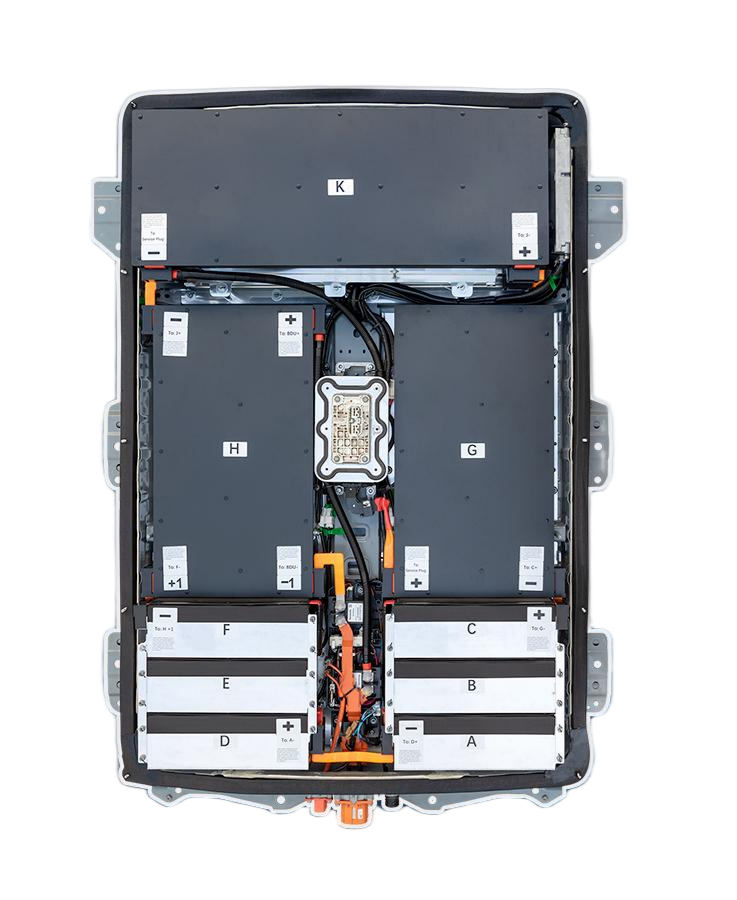
Here is the SEO-optimized article tailored for the Nissan e-NV200 market, designed to rank well on Google and convert readers into customers.
🛠️ DIY e-NV200 Lithium Battery Installation: Certified Compatible & Hassle-Free
If you are reading this, you are likely facing the dreaded “Battery Degradation” warning on your Nissan e-NV200 dashboard. The range anxiety is real, and the dealership quote for a replacement is likely astronomical. You are not alone.
As a professional in the EV battery industry, I have seen countless e-NV200 owners stuck between the rock of a dead battery and the hard place of OEM pricing. The good news? You don’t need to buy a new van. A DIY e-NV200 Lithium Battery Installation is not only possible, but with the right partner, it is a safe, certified, and cost-effective solution.
This guide will walk you through why the e-NV200 battery swap is a viable DIY project, what to look for in a replacement pack, and how to do it safely without voiding your vehicle’s potential warranties.
🤔 Why Choose a DIY Route for Your e-NV200?
The Nissan e-NV200 is a workhorse. Whether you use it for courier services, family trips, or local deliveries, downtime is expensive.
The OEM Trap: Nissan’s official replacement batteries often carry a premium price tag—sometimes exceeding 50% of the vehicle’s current market value. This forces owners to either scrap a perfectly good van or hunt for risky, used “salvage” batteries.
The DIY Alternative: By opting for a Certified Compatible aftermarket solution, you can save up to 50% compared to OEM prices. Modern aftermarket manufacturers, like CNS Battery, engineer packs specifically for the e-NV200 using brand-new, high-grade cells (often from CATL) that meet or exceed the original factory standards.
Expert Insight: A successful DIY installation isn’t just about saving money on labor; it is about taking control of your vehicle’s health. With the right tools and a verified product, you are essentially giving your van a “second life” with zero compromise on safety.
🔋 The Heart of the Operation: Choosing the Right Pack
Before you crawl under your van, you need the right hardware. Not all lithium-ion batteries are created equal, especially for the e-NV200.
1. Certified Compatibility is Non-Negotiable
You cannot just bolt any lithium pack into a Nissan. The Battery Management System (BMS) must communicate flawlessly with the Vehicle Control Unit (VCU).
- Plug-and-Play Design: A certified compatible battery should feature the exact connector types and pin configurations as the original. This means no cutting, splicing, or “hacking” wires.
- OEM Standards: Look for manufacturers that adhere strictly to Original Equipment Manufacturer tolerances for voltage and communication protocols.
2. Cell Quality: New vs. Refurbished
This is where many DIYers go wrong. To ensure your DIY project isn’t a waste of time, you must use Brand New Cells.
- Avoid: “Grade D” cells or salvaged modules. These are prone to swelling and failure.
- Insist On: New, high-density cells from tier-1 suppliers. These offer the longevity and thermal stability required for a commercial vehicle like the e-NV200.
3. Warranty Protection
A DIY battery should still come with a robust warranty. If a manufacturer won’t warranty their pack for DIY installation, they likely don’t trust their own engineering. Look for warranties that cover both parts and performance degradation (e.g., maintaining 70%+ capacity).
🛠️ Your Step-by-Step DIY Installation Guide
If you have basic mechanical skills and a set of wrenches, you can do this. Most professional mechanics complete this job in 1-2 hours. Here is how CNS Battery simplifies the process for our customers:
Phase 1: Preparation
- Safety First: Disconnect the 12V auxiliary battery to cut all power.
- Lift the Van: You will need access to the undercarriage. Use jack stands—never work under a vehicle held only by a jack.
- Gather Tools: Torx bits, wrenches, and insulated gloves (provided in our service kits).
Phase 2: Removal
- Drain Coolant (if applicable): Some e-NV200 models have a liquid-cooled pack.
- Unbolt: Remove the underbody shield and unbolt the old battery pack.
- Disconnect: Unplug the high-voltage (HV) connectors and signal cables. Note the routing; the new pack follows the same path.
Phase 3: Installation
- Mount: Position the new Certified Compatible lithium pack. It should fit the mounting brackets perfectly.
- Connect: Plug in the HV and signal cables. The connectors are often color-coded or keyed to prevent reverse connection.
- Seal: Reinstall the underbody shield.
Phase 4: Activation & Programming
- BMS Reset: This is the most critical step. Our technical team provides remote video guidance (via Zoom or WhatsApp) to help you reset the BMS.
- First Boot: Reconnect the 12V battery. The system should handshake automatically. If not, our engineers are on standby to guide you through the diagnostic steps.
🛡️ Why “Certified Compatible” Matters More Than “Cheap”
When searching for a DIY solution, you will see prices ranging from suspiciously low to incredibly high. Here is the breakdown of why “Certified Compatible” is the sweet spot:
| Feature | Cheap/Refurbished Batteries | Certified Compatible (CNS) | OEM Nissan Battery |
|---|---|---|---|
| Cell Source | Salvaged/Used/Grade D | Brand New CATL Cells | OEM Supplier Cells |
| Warranty | 0 – 6 Months | 2 Years / 80,000 km | 8 Years (but expensive) |
| DIY Risk | High (Swelling, Fire) | Low (Plug-and-Play) | None (but costs a fortune) |
| Price | Low upfront, high failure cost | 50% Savings vs OEM | Full Retail Price |
The Verdict: A Certified Compatible pack offers the safety and reliability of OEM engineering at a fraction of the cost, making it the perfect choice for the DIYer who values their time and safety.
📝 Final Checklist Before You Start
Before you click “Order” on your new battery, ensure your supplier offers these three pillars of support:
- Free Compatibility Check: They should ask for your VIN number to guarantee the pack fits your specific model year.
- Visual Guides: HD installation videos and PDF manuals specific to the e-NV200.
- Real Human Support: Access to a technical expert via video call during the BMS programming phase.
A DIY e-NV200 Lithium Battery Installation shouldn’t be a gamble. With the right preparation and a certified compatible partner, you can roll out of your garage with a van that feels brand new, ready to tackle another 100,000 miles.
❓ Frequently Asked Questions (FAQ)
Q1: Is it safe to install a lithium battery myself?
Yes, if you follow the safety protocols. Lithium batteries are high-voltage, so always disconnect the 12V auxiliary battery first. Our packs are designed with safety interlocks, and we provide insulated gloves and detailed safety manuals. If you are uncomfortable with high-voltage systems, we recommend having a certified mechanic handle the final connection, even if you do the lifting.
Q2: Will a DIY installation void my vehicle’s warranty?
Not if you use a Certified Compatible battery. These packs are designed to OEM specifications, meaning they do not alter the vehicle’s original software or hardware in a way that would void warranties on other components. However, the warranty on the battery itself comes from the manufacturer (us), not Nissan.
Q3: How long does the entire process take?
The physical installation typically takes 1 to 2 hours for a DIYer. The most time-consuming part is often safely lifting the vehicle and draining/refilling coolant (if your model has liquid cooling). The BMS programming, with our video guidance, usually takes less than 30 minutes.
Q4: What if I run into a problem during installation?
We do not leave you hanging. Our technical support team offers video call guidance. If you get stuck on a wiring connection or a diagnostic code, an engineer will walk you through it step-by-step until the battery is communicating with your van.
Q5: How do I get a quote for my e-NV200?
Getting started is easy. You can contact our technical experts directly to discuss your specific needs and get a personalized quote.