DIY e-NV200 Lithium Battery for Personal Use: The Ultimate Guide to Upgrading Your Van
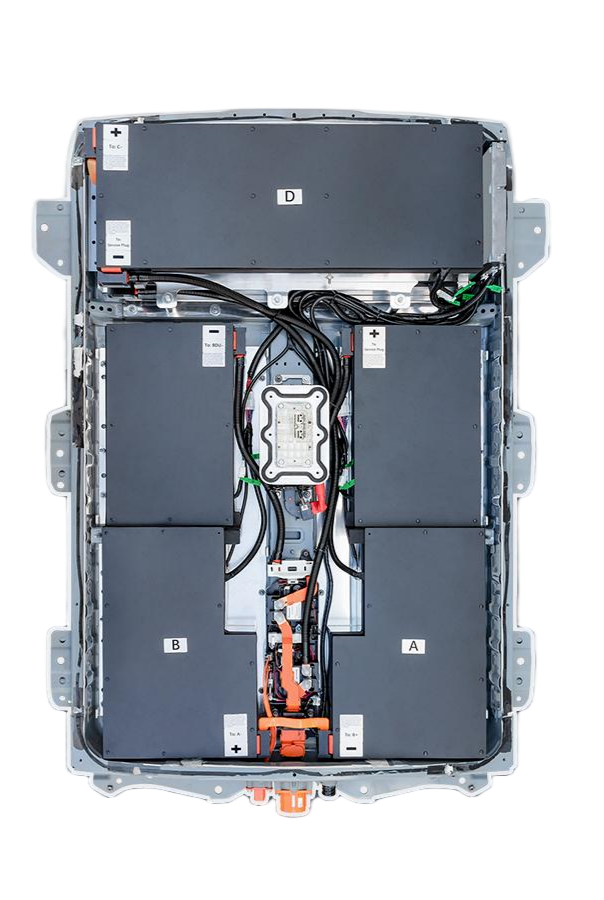
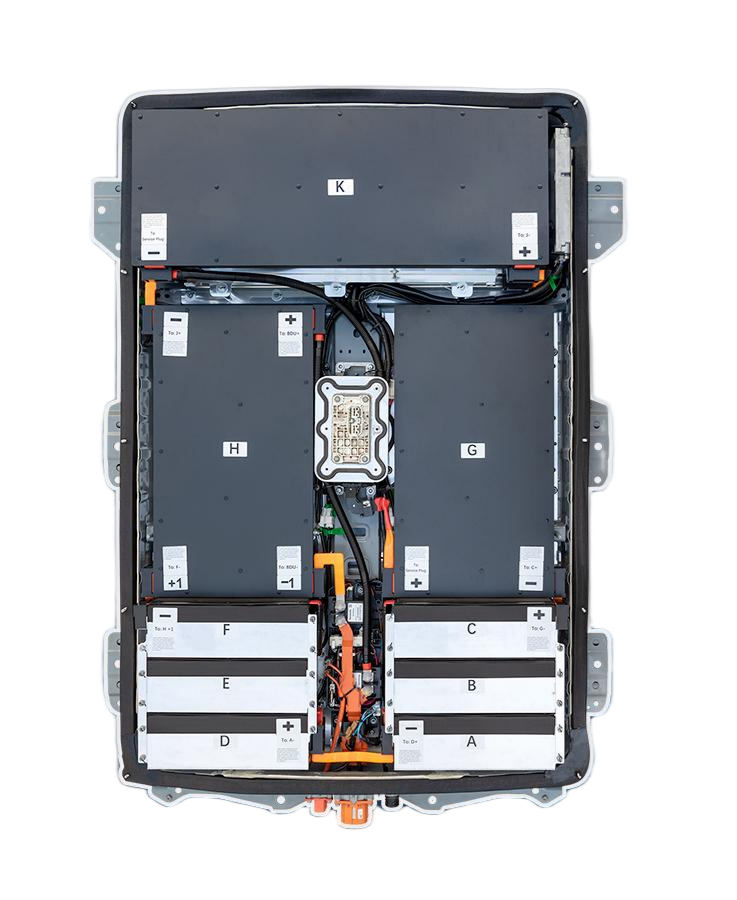
Thomas B. from Amsterdam recently upgraded his 2022 Nissan e-NV200 with a 50kWh lithium battery pack. He was tired of the daily charging routine required by his old, degraded 150km range. After a simple plug-and-play installation, Thomas now enjoys a consistent 348km range, even during hot summer highway drives. He praises the battery’s stability and the included toolkit, which made his DIY project seamless.
If you are considering a similar upgrade for your Nissan e-NV200, you are not alone. Many personal users are opting for DIY lithium battery replacements to extend the life of their vehicles and significantly boost performance without the hefty price tag of dealership replacements.
Why Choose a DIY Lithium Battery Upgrade?
The Nissan e-NV200 is a reliable workhorse, but as the original batteries age, range anxiety becomes a real issue. Replacing your old battery with a new lithium-ion pack is a cost-effective solution that can feel like getting a brand-new electric vehicle.
The DIY approach offers several distinct advantages:
- Cost Savings: By installing the battery yourself, you bypass expensive labor charges from mechanics.
- Empowerment: There is a unique satisfaction in personally restoring your vehicle’s performance.
- Customization: You can choose the exact specifications (like the 50kWh option) to match your driving needs.
Selecting the Right Battery for Your e-NV200
When searching for a “DIY e-NV200 Lithium Battery for Personal Use,” it is crucial to prioritize compatibility and safety. The market offers various options, but not all are designed for the plug-and-play experience that personal users need.
Key features to look for:
- OEM Compatibility: The battery must match the voltage, capacity, and interface of your e-NV200 to ensure the vehicle’s systems recognize it without modifications.
- Brand-New Cells: Avoid batteries made from recycled or second-hand cells. Look for packs utilizing brand-new cells from top-tier manufacturers like CATL, which guarantee superior performance, safety, and longevity.
- Comprehensive Warranty: A strong warranty is a sign of the manufacturer’s confidence in their product. Look for solutions offering at least a 2-year warranty.
The Installation Process: Simpler Than You Think
Many users worry that a DIY installation is too complex. However, with the right product, it is surprisingly straightforward. Modern replacement packs are designed with the user in mind.
Here is a general overview of the process:
- Preparation: Disconnect the vehicle power and gather basic tools (wrenches, screwdrivers).
- Removal: Remove the old battery mounting brackets and connections.
- Installation: Position the new battery and connect the cables. Many modern packs are designed to be “plug-and-play,” meaning the connectors match the original factory parts perfectly.
- Testing: Reconnect the power and run diagnostics to ensure the system integrates correctly.
Pro Tip: Most reputable suppliers provide high-definition installation videos and PDF manuals. If you encounter any issues, video call guidance from technical experts can often resolve problems in minutes.
Why Quality Matters in DIY EV Battery Projects
Choosing a low-quality battery might seem like a bargain initially, but it can lead to headaches down the road. Inferior batteries often suffer from rapid degradation, swelling, or even safety hazards.
Investing in a high-quality pack means:
- Longer Lifespan: New, high-grade cells last significantly longer than refurbished alternatives.
- Safety: Top manufacturers utilize advanced Battery Management Systems (BMS) to prevent overheating and short circuits.
- Performance: You will get the advertised range and charging speed, ensuring your van performs reliably in all conditions.
Frequently Asked Questions (FAQ)
1. Is it difficult to install an e-NV200 battery myself?
For a technically inclined person, the installation is manageable. Most professional technicians can complete it in about 50 minutes to 2 hours. The process is generally safe and simple, often involving basic tools. However, if you are not comfortable working with high-voltage systems, it is always recommended to consult a certified technician to avoid any risks.
2. How much range can I expect from a new 50kWh DIY battery?
With a new 50kWh lithium battery pack, you can expect a significant improvement. Users typically report a consistent range of approximately 348km on a full charge. Even with air conditioning use during summer highway driving, the range usually remains above 330km.
3. What kind of warranty should I look for?
A reliable DIY battery solution should come with a solid warranty. Look for providers offering a minimum of a 2-year or 80,000km warranty. This coverage should include protection against manufacturing defects and often includes a performance guarantee, ensuring the battery maintains at least 70% capacity over the warranty period.
4. Are these batteries compatible with all e-NV200 models?
Compatibility depends on the specific specifications of the battery pack. It is essential to verify the voltage, capacity, and interface matching (such as Type 2 connectors) with your specific vehicle model year. Many suppliers offer a free compatibility assessment service where you can upload your VIN code to confirm the perfect match before purchasing.
Ready to upgrade your Nissan e-NV200 and experience the freedom of long-range electric driving again? Get a free quote and compatibility check for your perfect DIY battery solution today.