Cost-Saving Tips for Nissan Leaf Battery Swap: Keep Money in Your Pocket
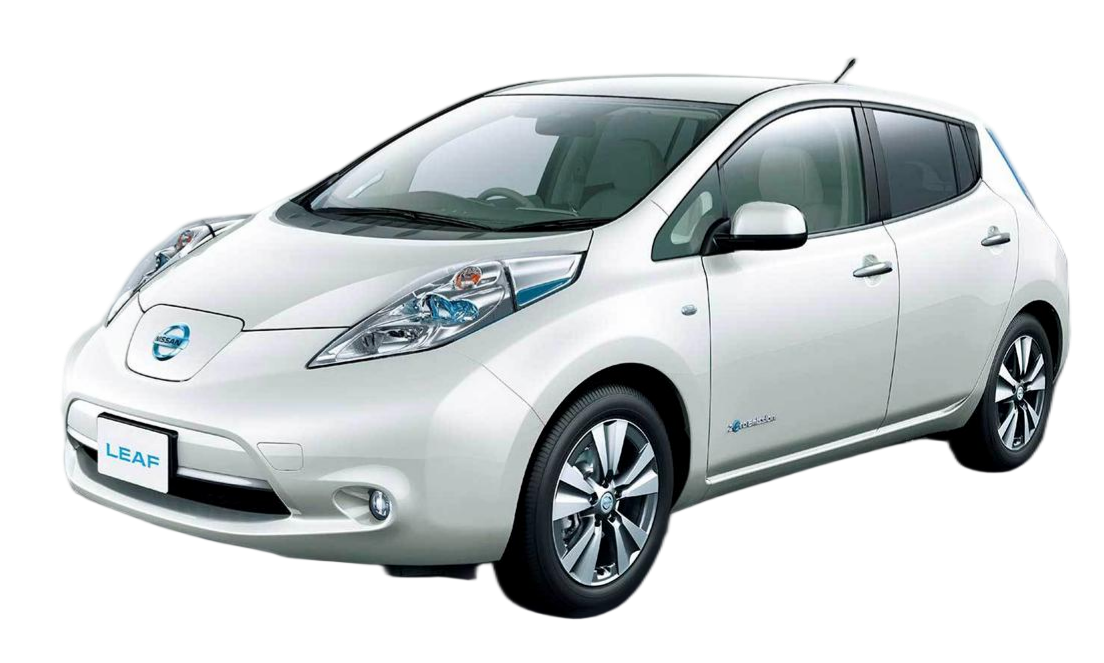
Is a Nissan Leaf battery swap on your to-do list but worried about the cost? Many Leaf owners face sticker shock when they see OEM battery prices—some exceeding $7,000—leaving them torn between replacing the battery or buying a new car. The good news is that a Nissan Leaf battery swap doesn’t have to break the bank. As CNS BATTERY’s EV specialists, we’re sharing proven cost-saving tips that cut expenses without sacrificing safety or performance, helping you extend your Leaf’s life affordably.
Prioritize Refurbished OEM-Grade Batteries Over New OEM
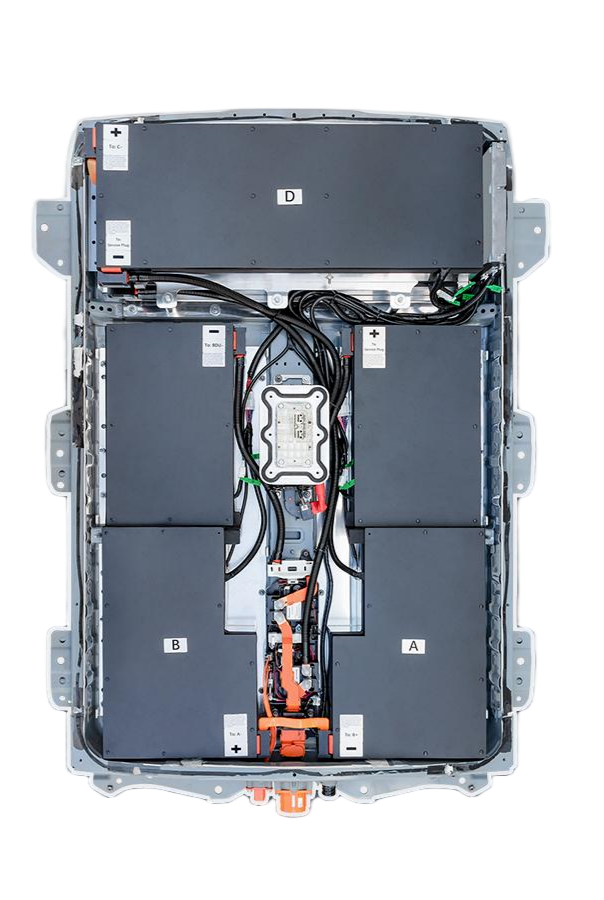
The biggest cost driver in a battery swap is the battery itself. OEM new batteries come with a premium price tag, but refurbished OEM-grade options deliver comparable quality at 40-50% savings—without the downsides of generic packs.
CNS BATTERY’s refurbished packs undergo a rigorous 12-point inspection: faulty cells are replaced with OEM-compatible units, modules are rebalanced, and the battery is tested for thermal stability and capacity. For example, a refurbished 24kWh LFP battery for AZE0-0 models costs $3,499, vs. $6,499 for a new OEM pack. These refurbished batteries retain 85%+ original capacity and come with a 3-year warranty, matching the reliability of new OEM options.
Avoid ultra-cheap generic refurbished packs—they skip critical testing and often fail within 1-2 years, forcing you to pay for a second swap. Invest in OEM-grade refurbished to “buy once, buy right.”
Maximize Core Credits for Your Old Battery
Most reputable battery providers, including CNS BATTERY, offer core credits (also called core charges) for your old, degraded battery—this is one of the easiest ways to slash upfront costs. Core credits typically range from $750 to $1,000, depending on your battery’s condition and generation.
Nissan Leaf batteries, even degraded ones, have valuable recyclable components. Nissan itself partners with recycling programs to repurpose old battery cells for energy storage, making your old pack a valuable asset. To qualify for maximum credits, ensure your old battery’s housing is intact (no cracks or damage) and all modules are present—missing or damaged parts reduce credit value.
Always ask about core credits upfront when getting a quote—some providers hide this discount, so transparency is key.
Avoid Unnecessary Upgrades (Stick to What You Need)
While upgrading to a higher-capacity battery (e.g., 24kWh to 30kWh) is tempting, it adds $400-$800 to the swap cost. Only upgrade if you truly need extra range—daily commuters who drive 30 miles or less per day can save money by sticking to a same-capacity replacement.
For example, a 2013 Leaf AZE0-0 owner who only uses the car for local errands will get plenty of value from a refurbished 24kWh LFP battery ($3,499) instead of upgrading to a 30kWh NCM pack ($3,899). Save the upgrade for if you start taking longer trips or experience range anxiety with your current capacity.
If you do upgrade, choose a provider that includes installation kits and BMS calibration in the price—hidden fees for these essentials can add $300-$500 to the total cost.
Skip DIY—Choose Professional Installation for Long-Term Savings
DIY battery swaps may seem cheaper upfront, but they often lead to costly mistakes. The Nissan Leaf’s high-voltage system (300V+) requires specialized tools and safety protocols—one wrong move can cause electrical shock, fire, or BMS damage, costing $1,500+ to repair.
Professional installation from CNS BATTERY starts at $399 and includes critical steps like BMS calibration, which generic DIY swaps skip. Improper calibration leads to “ghost range,” reduced battery life, and premature failure—requiring a second swap sooner than later.
Additionally, professional swaps come with warranty coverage for labor and parts. If something goes wrong, you’re protected—DIY swaps offer no such safety net.
Leverage Seasonal Promotions and Loyalty Discounts
Timing your battery swap can lead to significant savings. Many EV service providers, including CNS BATTERY, offer seasonal promotions—typically in spring and fall—to boost business during slower months. These promotions can include 5-10% off battery packs, free installation, or increased core credits.
Loyalty discounts are another overlooked savings opportunity. If you’ve had your Leaf serviced by a provider before, ask about repeat-customer discounts. Some providers also offer discounts for referrals or for bundling services (e.g., battery swap + routine maintenance).
Follow reputable EV service providers on social media or sign up for their email lists to stay informed about upcoming promotions—this simple step can save you $200-$500.
Benefits of Smart Cost-Saving for Your Nissan Leaf Battery Swap
Saving money on your battery swap doesn’t mean cutting corners—it means making informed choices that deliver long-term value:
-
Extend EV Lifespan Affordably: A cost-effective swap adds 5-7 years of reliable use to your Leaf, delaying the need for a new EV ($30,000+).
-
Preserve Resale Value: A documented professional swap with an OEM-grade battery boosts your Leaf’s resale value by 15-25%, helping you recoup costs later.
-
Avoid Hidden Costs: Transparent, budget-friendly swaps eliminate unexpected expenses from DIY mistakes or faulty generic batteries.
-
Sustainable Savings: Recycling your old battery through core credits supports eco-friendly practices, aligning with the Leaf’s green design.
FAQ About Cost-Saving Nissan Leaf Battery Swaps
Will a refurbished battery save money but last less time?
No—our OEM-grade refurbished batteries last 5-7 years (1,000 charge cycles), the same as new OEM batteries. They retain 80% capacity after this period, matching OEM longevity at half the cost.
Can I negotiate core credits for my old battery?
Core credits are typically standardized based on battery condition, but you can maximize them by ensuring your old battery is intact. Some providers may offer a small bump if your battery has minimal damage, but focus on working with transparent providers who list core credits upfront.
Is it cheaper to swap the battery or buy a used Leaf?
Swapping is almost always cheaper. A used Leaf with a healthy battery costs $10,000-$15,000, while a battery swap costs $3,499-$3,899. If your Leaf’s chassis and electrical systems are in good condition, swapping is the budget-friendly choice.
Do seasonal promotions apply to all Leaf generations?
Yes—promotions typically cover all Leaf generations (ZE0, ZE1, ZE2). However, availability may vary for newer ZE2 models due to limited aftermarket options. Always confirm with your provider.
Save Money on Your Nissan Leaf Battery Swap Today
A Nissan Leaf battery swap doesn’t have to drain your wallet. By choosing OEM-grade refurbished batteries, maximizing core credits, and avoiding unnecessary upgrades, you can keep costs low while ensuring reliability.
立即访问https://cnsbattery.com/nissan-leaf-battery/,获取独家折扣并咨询专家升级方案!
Our team will provide a transparent quote, maximize your core credits, and recommend the most cost-effective swap option for your Leaf. Save money without sacrificing quality—trust the experts at CNS BATTERY.