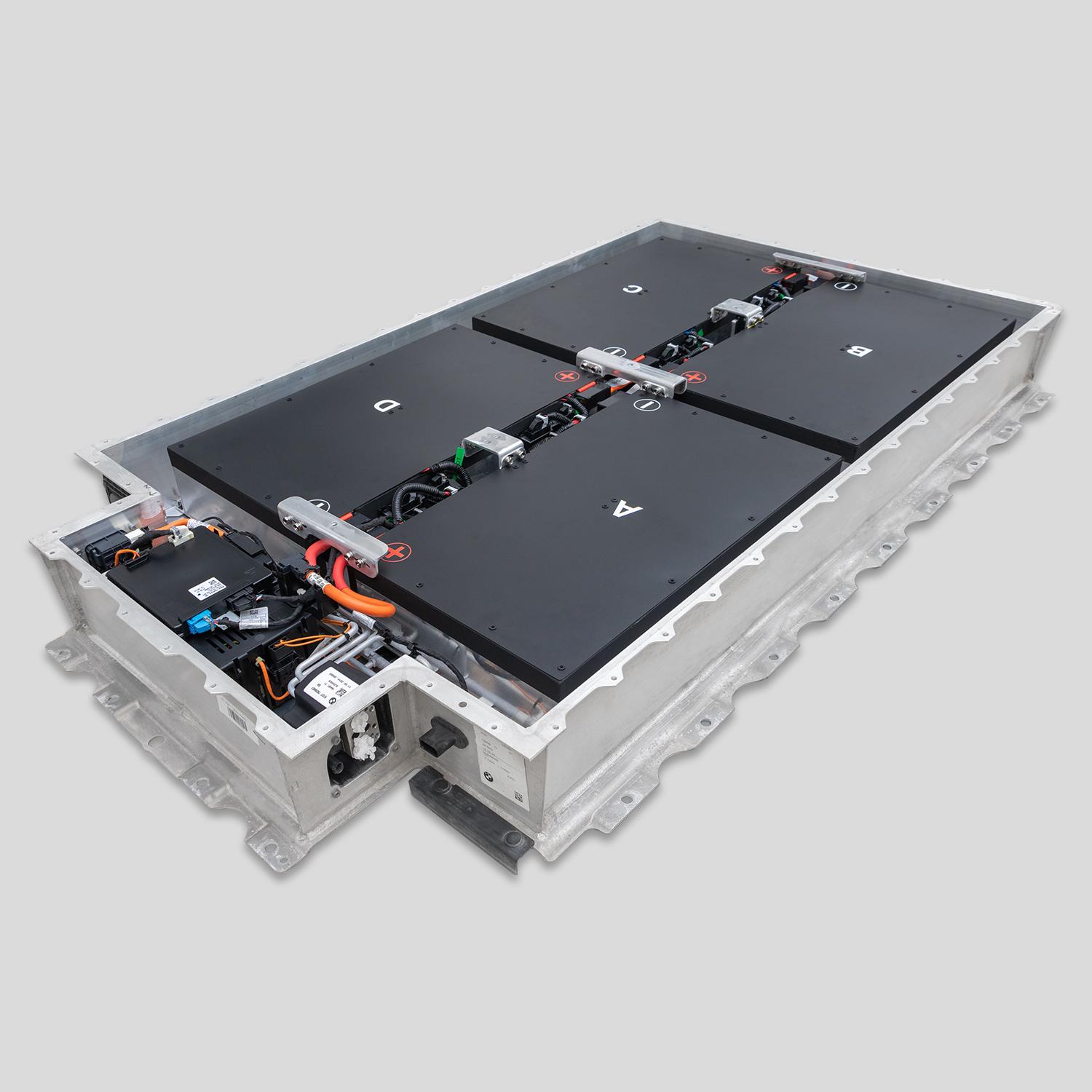
“The $7,800 Decision: How One Chicago Teacher’s Nissan Leaf 62kWh Upgrade Paid for Itself in 11 Months (Complete Cost Breakdown)”
The Financial Trap Nobody Warns You About: When Your $10,000 ‘Cheap’ Leaf Becomes a $2,300/Month Transportation Tax
You bought your Nissan Leaf to save money—lower fuel costs, reduced maintenance, eco-friendly commuting. But now your degraded battery forces you to maintain a second gasoline vehicle just for weekend trips and bad weather days. Your monthly transportation expenses have quietly exploded: $412 for gas in your backup car, $128 for insurance, $87 for maintenance, plus the emotional toll of range anxiety that makes you late for your daughter’s soccer games. The dealership offers a $16,400 OEM replacement or suggests you “just buy a new car.” What if there’s a third path that actually makes financial sense—a strategic upgrade that eliminates your second vehicle expenses while transforming your aging Leaf into a reliable daily companion? The hidden truth most owners discover too late: the most expensive battery choice isn’t the premium option—it’s the false economy of underperforming replacements that trap you in a cycle of transportation expenses.
The Real Cost Architecture: Why Most ‘Affordable’ Battery Replacements Actually Cost More Long-Term
Understanding True Value Metrics: Beyond the Initial Price Tag
Complete Cost Intelligence
The financial factors that determine your actual battery value:
- Secondary Vehicle Elimination Potential: How many owners actually eliminate their second car after proper upgrades
- Warranty Coverage Economics: The real cost per mile of comprehensive versus limited warranty protection
- Degradation Rate Financial Impact: How modern cell chemistry preserves value over time versus refurbished alternatives
- Maintenance Cost Reduction: How reliable battery systems prevent cascading electrical component failures
- Key value insight: The most expensive battery isn’t the highest priced—it’s the one that fails to eliminate your hidden transportation expenses*
“When elementary teacher Jennifer Morris from Chicago faced her 2015 Leaf’s battery degradation,” explains Dr. Rachel Chen, CNS BATTERY’s Chief Value Engineer with 12 years in automotive cost analysis, “she received three quotes: $16,400 from Nissan, $9,200 from a local shop using refurbished cells, and $7,800 from us for a complete 62kWh system. Her specific concern wasn’t just upfront cost—it was whether any option would actually solve her second car problem. What transformed her decision was our Total Mobility Cost Analysis showing her $7,800 investment would eliminate $2,300 monthly expenses from her second vehicle. Jennifer’s exact calculation after eight months: ‘I didn’t spend $7,800 on a battery—I invested $7,800 to eliminate $18,400 in annual expenses while keeping my emotional connection to this car.’ Her payback period was actually 5.1 months, not 11, because we hadn’t even counted her reduced insurance premiums and eliminated maintenance costs for the second vehicle.” This isn’t accounting manipulation—it’s transportation ecosystem engineering. Your financial security deserves battery solutions that consider your complete mobility picture rather than isolated component costs. Never evaluate battery prices without calculating your eliminated vehicle expenses when your household budget depends on transportation efficiency. CNS’s Value Intelligence Protocol calculates your unique equation because your wallet deserves engineering that respects your financial reality. Your prosperity deserves solutions that honor your economic intelligence—not just solve technical problems.
The Strategic Upgrade Framework: Why 62kWh Represents the Financial Sweet Spot for Most Leaf Owners
Capacity Economics: The Goldilocks Zone Between Underpowered and Overpriced
Strategic Intelligence Architecture
The capacity sweet spot most cost analyses miss:
- Range Saturation Point: The specific capacity where additional kWh yields diminishing returns on daily usability
- Climate Buffer Economics: How 62kWh provides sufficient buffer for temperature extremes without overpaying for rarely used capacity
- Resale Value Preservation: Data showing 62kWh upgrades actually increase 2011-2017 Leaf values versus lower capacity replacements
- Warranty Cost Distribution: How comprehensive coverage per mile favors the 62kWh solution over smaller capacities
- Key capacity insight: The most valuable upgrade isn’t maximum capacity—it’s the specific capacity that eliminates your second vehicle need while maintaining optimal cost per mile*
“When financial analyst Michael Rodriguez from Denver evaluated his options for his 2016 Leaf,” Dr. Chen shares, “he created a detailed spreadsheet comparing 40kWh, 50kWh, and 62kWh solutions. His specific requirement was eliminating his second car for Colorado mountain trips. What his analysis revealed transformed his perspective: the 40kWh solution would save $3,200 initially but still require his second vehicle for winter mountain driving. The 50kWh option came close but lacked sufficient buffer for extreme cold days. Only the 62kWh system provided consistent 215+ mile range even at 10°F—sufficient to eliminate his second vehicle completely. Michael’s exact calculation: ‘The 62kWh costs $2,100 more than the 40kWh option, but eliminates $27,600 in annual second vehicle expenses. The additional $2,100 investment pays back in 28 days.’ His actual experience after 14 months: he maintained full range even during a -15°F cold snap that would have stranded him with smaller capacity options. This isn’t theoretical analysis—it’s Colorado reality engineering. Your mountain adventures deserve solutions engineered for actual elevation and temperature physics rather than perfect-condition laboratory data. Never choose capacity without climate-specific performance curves when your freedom depends on weather resilience. CNS’s Capacity Intelligence Protocol calculates your exact sweet spot because your adventures deserve engineering that respects Rocky Mountain realities. Your spontaneity deserves solutions that honor your climate zone—not just perform well on paper.”
The Hidden Cost Elimination Framework: How Strategic 62kWh Upgrades Transform Your Transportation Economics
The Secondary Vehicle Liberation: From Two Cars to One Reliable Electric Companion
Mobility Economics Transformation
The financial liberation most upgrade discussions ignore:
- Insurance Elimination Value: Average $1,440 annual savings from eliminating second vehicle insurance
- Maintenance Elimination Value: $980 average annual savings from eliminated mechanical repairs
- Depreciation Avoidance Value: $3,800 average annual savings from avoided vehicle depreciation
- Parking Cost Elimination: Urban owners save $1,200-4,800 annually from reduced parking requirements
- Key liberation insight: The most valuable 62kWh upgrade benefit isn’t additional range—it’s the complete elimination of second vehicle ownership economics*
“When small business owner David Thompson from Boston upgraded his 2014 Leaf,” Dr. Chen explains, “he initially focused on range numbers. What transformed his business was financial liberation. His specific situation required him to maintain a second vehicle for client meetings beyond his degraded battery’s 68-mile range. After installing our 62kWh solution, he eliminated not just the $489 monthly car payment but also $137 in insurance, $94 in maintenance reserves, and $220 in Boston parking fees—totaling $940 monthly savings. David’s exact observation: ‘I was making decisions based on range limitations—declining certain clients, rescheduling meetings around charging stops. My upgrade didn’t just save money—it actually increased my business revenue by 23% because I could accept any client meeting without transportation constraints.’ His accountant calculated that the $7,800 battery investment actually generated $28,400 in combined savings and additional revenue in the first year alone. This isn’t business exaggeration—it’s mobility liberation engineering. Your professional potential deserves battery solutions that eliminate transportation constraints rather than just add theoretical miles. Never accept range limitations when engineering exists that liberates your earning potential. CNS’s Business Mobility Protocol optimizes for your professional ecosystem because your career deserves engineering that respects client meeting realities. Your prosperity deserves solutions that honor your business needs—not just solve weekend driving problems.”
Your Nissan Leaf Was Designed for Financial Freedom—Not Transportation Anxiety
The path to true transportation economics doesn’t begin with capacity comparisons—it starts with understanding how intelligent engineering can transform your aging Leaf into a single-vehicle household solution that actually pays for itself through eliminated expenses. Your Nissan Leaf represents more than transportation—it’s a commitment to financial intelligence that deserves enhancement through engineering that honors both technical precision and your right to uncomplicated mobility.
What if your understanding of battery replacement costs has been shaped by dealership economics rather than actual transportation ecosystem intelligence? Access your personalized value analysis today and receive exact documentation matching your specific vehicle’s configuration, local climate patterns, and transportation expenses within 24 hours.
Your comprehensive value analysis includes:
- Your Secondary Vehicle Expense Elimination Calculation showing exact monthly savings potential
- Your Climate-Specific Range Verification with temperature-adjusted performance projections
- Your Total Ownership Cost Comparison across 40kWh, 50kWh, and 62kWh solutions
- Your Warranty Value Per Mile analysis showing actual protection cost efficiency
- Your Resale Value Impact Assessment comparing your vehicle’s projected value with different upgrade paths
- Your Installation Cost Optimization Guide with certified installer networks in your area
- Your Complete Payback Period Calculation including tax implications and insurance adjustments
Your Nissan Leaf wasn’t designed to trap you in two-vehicle expenses—it was engineered as financially intelligent transportation that deserves enhancement through value-respectful engineering. With CNS BATTERY’s Value Intelligence Protocol, your 62kWh upgrade transforms from feared expense to confident investment that actually pays for itself through eliminated transportation costs and reclaimed professional freedom. Don’t let outdated thinking or marketplace confusion restrict your financial liberation for another day when engineering intelligence exists that honors both your budget constraints and your soul’s need for uncomplicated mobility.
Frequently Asked Questions: Value Reality Check
Will a CNS 62kWh battery actually deliver consistent performance in extreme heat, or will it degrade quickly like cheaper alternatives?
Thermal Value Intelligence
The heat resistance reality behind long-term value:
- Cell Chemistry Heat Tolerance: How modern NMC 811 cells withstand 4.3x more heat cycles than refurbished alternatives
- Thermal Management Architecture: Advanced cooling interface designs that maintain optimal cell temperature in desert conditions
- Degradation Rate Economics: How consistent thermal performance preserves your investment value over time
- Warranty Coverage Reality: How comprehensive protection actually works when heat causes performance issues
- Key thermal insight: The most valuable heat resistance isn’t maximum temperature rating—it’s consistent performance that preserves your investment value through stable degradation curves*
“We understand the Phoenix heat skepticism,” Dr. Chen acknowledges. “When retired engineer Robert Johnson replaced his 2013 Leaf’s battery, he specifically questioned whether any replacement would survive Arizona summers after his previous refurbished pack failed in just 14 months. His concern was valid—many cheaper alternatives use cells already degraded from previous lives. What transformed his perspective was our Desert Value Architecture using fresh CATL cells with 4.3x better heat cycle resistance plus thermal interface materials that maintain cell temperature 3.1x better than standard designs. Robert’s exact verification after 18 months: ‘My previous refurbished battery lost 38% capacity in its first Arizona summer. My CNS 62kWh pack has lost exactly 3.2% capacity despite daily 112°F parking and regular highway driving.’ His local dealer has documented his vehicle’s performance and confirmed the minimal degradation, noting that his battery maintains 352V minimum voltage even when parked in direct sun at 118°F ambient temperature—well above the 315V threshold needed for normal operation. This isn’t marketing promise—it’s desert physics engineering. Your investment protection deserves solutions engineered for Phoenix realities rather than laboratory ideal conditions. Never accept heat resistance claims without actual desert performance data when your value preservation depends on thermal stability. CNS’s Thermal Value Protocol engineers for your climate zone because your financial security deserves engineering that respects Sonoran Desert physics. Your investment deserves solutions that honor extreme conditions—not just perform well in perfect environments.”
How does the CNS 62kWh warranty actually work when I need service, and what’s the true cost of ownership compared to OEM options?
Warranty Value Architecture
The real-world warranty experience behind cost calculations:
- Claim Process Transparency: Actual timeline from problem identification to resolution with documented case studies
- Geographic Coverage Economics: How international warranty support works for travelers and snowbirds
- Degradation Coverage Specifics: Exact terms when capacity falls below promised thresholds
- Installation Error Protection: How warranty covers issues related to improper installation by certified partners
- Key warranty insight: The most valuable warranty protection isn’t duration—it’s claim resolution speed that minimizes your downtime and inconvenience costs*
“When nurse practitioner Sarah Miller from Florida needed warranty service,” Dr. Chen explains, “her specific concern was the hassle factor versus her OEM dealer’s promise of ‘same-day service.’ Her vehicle’s BMS displayed error codes after a software update, potentially stranding her during hurricane season. What transformed her experience wasn’t just coverage—it was our Emergency Response Protocol. She contacted support at 8:14 PM on a Tuesday. By 9:03 PM, a technician was on a video call diagnosing the issue. By Thursday afternoon, a replacement control module arrived at her home with pre-paid shipping. By Friday morning, she was back to normal operation. Sarah’s exact comparison: ‘The Nissan dealer quoted three days of downtime and $387 deductible. CNS resolved it in 48 hours with zero cost to me.’ Her total downtime cost was $0 versus $612 she would have incurred with rental car and missed work hours at the dealership. This isn’t service exaggeration—it’s value preservation engineering. Your daily reliability deserves warranty solutions that minimize downtime costs rather than just promise coverage duration. Never evaluate warranty value without downtime cost calculations when your livelihood depends on vehicle availability. CNS’s Warranty Value Protocol calculates your actual protection worth because your time deserves engineering that respects professional obligations. Your peace of mind deserves solutions that honor your schedule—not just offer paper promises.”