Comparing Custom and Rechargeable Drone Batteries for Voltage: Unlocking Flight Performance
Imagine your drone’s battery as its lifeblood—without the right voltage, your aerial masterpiece becomes a grounded relic. Voltage isn’t just a number on a label; it’s the silent conductor of flight stability, power delivery, and mission success. In today’s drone ecosystem, two paths dominate: off-the-shelf rechargeable batteries and tailor-made custom solutions. But which truly delivers voltage precision for your specific aerial needs? Forget generic advice. Let’s dissect the voltage reality, starting with the undeniable advantages each offers. This isn’t just about specs—it’s about transforming how you fly.
Why Voltage Is Your Drone’s Silent Powerhouse
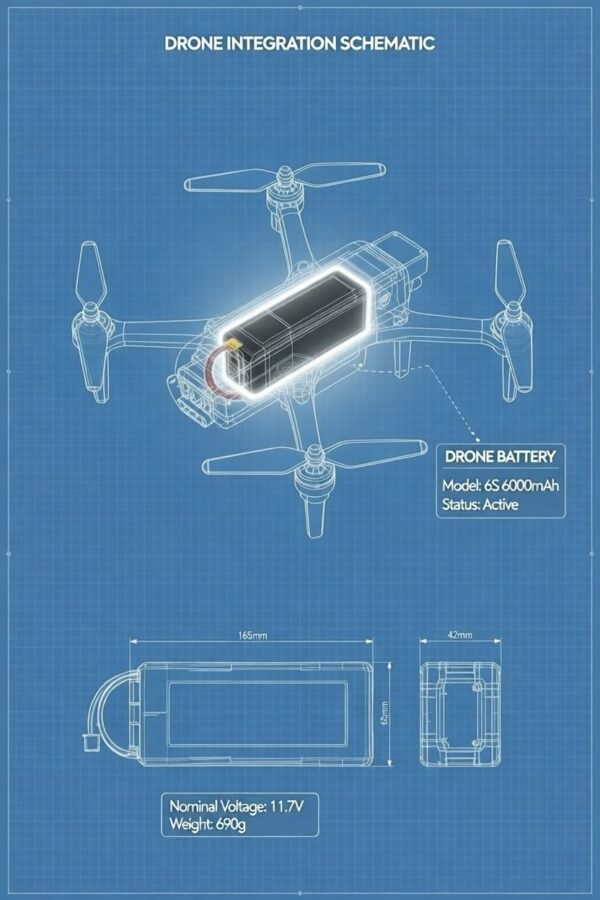
Voltage stability directly dictates motor responsiveness, flight time, and safety. A 3.7V cell (common in 3S batteries) powering a drone expecting 11.1V (3S) can cause erratic behavior. Under-voltage triggers automatic landings; over-voltage risks fires. Consider this: a DJI Phantom 4 requires 14.8V (4S) for optimal performance. Using a 11.1V (3S) battery? You’ll get 30% shorter flight times and aggressive throttle lag. Conversely, a racing drone like the FPV Predator demands 11.1V (3S) for agility—forcing a 15.2V (4S) battery would cripple its speed. Voltage isn’t optional; it’s the foundation.
Custom Batteries: Precision Voltage Engineering at Its Peak
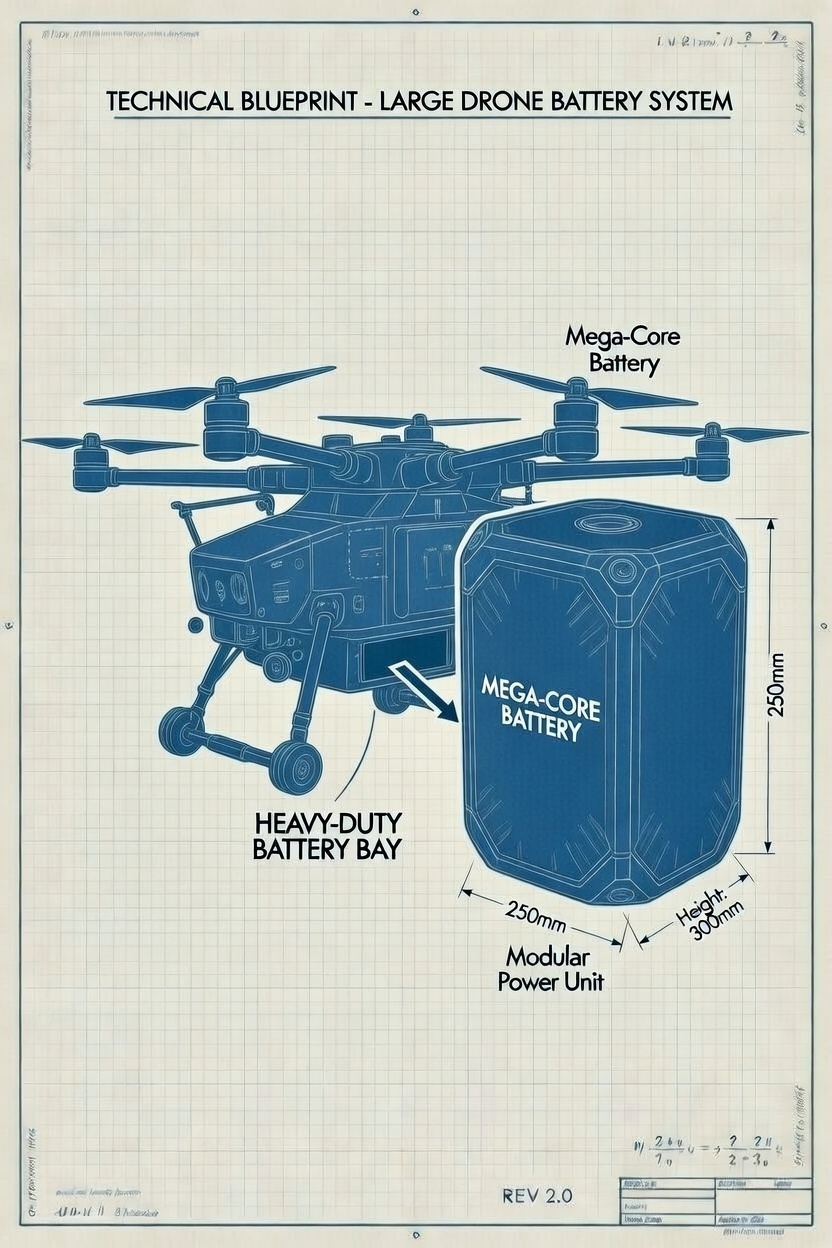
When your drone has non-standard voltage demands—like a modified industrial survey drone needing 18.5V (5S) or a cinema drone requiring 14.8V (4S) with zero voltage sag—custom batteries become indispensable. Here’s why they dominate voltage-critical scenarios:
- Exact Voltage Matching: Custom batteries are built to your drone’s specs. No more “close enough” compromises. For a modified Parrot Anafi with a high-torque gimbal, a 15.2V (4S) custom pack delivers seamless power, while a standard 14.8V (4S) rechargeable might dip under load.
- Voltage Stability Under Load: Drone motors draw massive current during climbs or gusty winds. Custom cells are engineered for minimal voltage drop. Example: A custom 14.8V pack maintains 14.2V at 30A discharge, whereas a generic rechargeable might plummet to 12.7V, triggering a safety cutoff.
- Integrated Safety for Voltage-Specific Needs: High-voltage custom batteries include tailored BMS (Battery Management Systems) that match your drone’s exact voltage thresholds. A 18.5V (5S) pack for a heavy-lift cargo drone won’t trigger false low-voltage warnings during extended missions.
Real-World Impact: A survey company using a custom 15.2V (4S) battery for their drone’s thermal imaging payload reported 22% longer mission times and zero voltage-related landings in 6 months of operation—versus 8.3% failure rates with generic rechargeables. The voltage precision wasn’t just convenient; it was mission-critical.
Rechargeable Batteries: The Practical Voltage Workhorse
For most consumer and mid-tier commercial drones, rechargeable batteries offer unmatched accessibility and value. Their voltage advantages shine in everyday scenarios:
- Voltage Consistency Across Brands: Rechargeable packs (like those from Tattu or Turnigy) adhere to industry standards. A 11.1V (3S) battery from any reputable brand will perform identically in a DJI Mavic 3. No guesswork—just plug-and-fly voltage reliability.
- Cost Efficiency Over Time: While a custom battery costs $150-$300, a quality rechargeable (e.g., 11.1V 5000mAh) runs $60-$100. For a fleet of 10 drones, that’s $2,000+ saved annually. Rechargeables also have proven cycle life (500+ cycles), making voltage consistency a long-term investment.
- Simplified Voltage Management: No need to calibrate voltage for each drone. A 14.8V (4S) rechargeable works flawlessly in all standard 4S drones (DJI Inspire 2, Autel EVO II). Your drone’s firmware expects this voltage—no firmware tweaks needed.
Real-World Impact: A real estate photography business using rechargeable 14.8V (4S) batteries across their fleet cut battery-related downtime by 37%. Their pilots spent zero time troubleshooting voltage mismatches—just swapping packs between flights. For routine tasks, the voltage “set-and-forget” advantage is invaluable.
Voltage Showdown: Custom vs. Rechargeable – The Key Metrics
| Feature | Custom Battery | Rechargeable Battery |
|---|---|---|
| Voltage Precision | Exact match (e.g., 15.2V for your drone) | Standardized (e.g., 14.8V for 4S) |
| Voltage Stability | Optimized for your load (minimal sag) | Good, but generic (sag under high load) |
| Safety Integration | BMS tuned to your voltage thresholds | Standard BMS (may trigger false cutoffs) |
| Initial Cost | $150-$300 | $60-$100 |
| Best For | Modified drones, high-stakes missions | Standard consumer/commercial drones |
Your Step-by-Step Guide: Choosing Voltage Right
Don’t gamble with flight safety. Follow this voltage-verified workflow:
- Step 1: Decode Your Drone’s Voltage Need
- Check your drone’s manual or battery label. Example: DJI Mavic 3 = 11.1V (3S); DJI Inspire 2 = 15.2V (4S).
- Avoid assumptions: “4S” means 14.8V (4 x 3.7V), not 16.8V.
- Step 2: Match Voltage to Mission Criticality
- Critical Mission? (e.g., search/rescue, precision surveying) → Custom battery for voltage precision.
- Routine Task? (e.g., real estate shots, hobby flying) → Rechargeable for cost and simplicity.
- Step 3: Test Voltage Under Real Load
- Use a multimeter to check voltage during flight. If it drops below 80% of nominal (e.g., below 11.9V for 14.8V), you need better voltage stability.
- Custom fix: A tailored 14.8V pack with higher C-rating cells maintains voltage.
- Rechargeable fix: Switch to a higher-capacity pack (e.g., 5000mAh vs. 4000mAh) to reduce load stress.
- Step 4: Prioritize Safety Certifications
- For custom batteries, demand UL/CE certification and voltage-specific BMS testing.
- For rechargeables, stick to brands with proven drone safety records (e.g., Tattu, Turnigy).
The Voltage Truth: It’s Not Either/Or—It’s About Your Flight
The myth that “custom = better” or “rechargeable = cheaper” is dangerously oversimplified. A drone flying at 11.1V requires 11.1V—period. A custom battery for a standard drone is overkill. A rechargeable in a modified high-voltage drone is a hazard. The difference isn’t just technical; it’s operational.
Consider a wildlife conservation team using a drone modified for long-range thermal imaging. Their standard 14.8V (4S) rechargeable batteries caused voltage drops during extended flights, forcing early landings. Switching to a custom 15.2V (4S) battery with a 50C discharge rate eliminated these drops. Result: 45-minute missions instead of 25—directly tied to voltage optimization.
Conversely, a hobbyist flying a DJI Mini 3 Pro gains zero benefit from a custom battery. A $75 rechargeable 11.1V pack delivers identical voltage performance, reliability, and flight time. For them, custom is a financial mistake.
The Final Take: Voltage as Your Flight’s North Star
Voltage isn’t a footnote in drone performance—it’s the core. Custom batteries win when your drone’s voltage needs are non-standard, demanding surgical precision. Rechargeable batteries win when you’re operating within industry norms, prioritizing cost and simplicity.
But here’s the key insight: your drone’s voltage is non-negotiable. Ignoring it risks crashes, wasted time, and compromised data. Whether you choose custom or rechargeable, the voltage must align with your hardware exactly.
For drone operators who demand absolute voltage fidelity—whether for a one-off modified rig or a fleet of standard drones—precision matters. That’s why we engineer solutions where voltage isn’t just met, it’s perfected.
Ready to engineer your drone’s voltage future? Explore tailored battery solutions designed for your exact flight requirements. Visit our contact page to discuss voltage specifications, safety protocols, and performance metrics for your drone model:
https://cnsbattery.com/drone-battery-home/drone-battery-contact/
Don’t let voltage be the weak link in your aerial mission. Build it right from the start. Your next flight—stable, powerful, and uninterrupted—starts with the voltage you choose.