Compare BMW i3 EV Battery Capacity vs Alternatives – Must Read
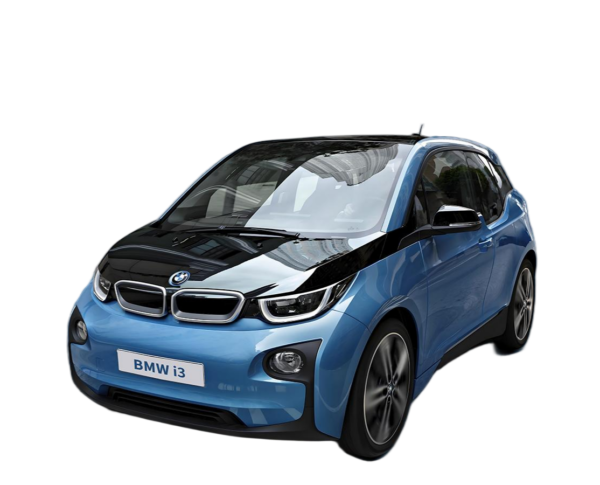
Is Your BMW i3 Losing Range? Here’s What You Need to Know Before Replacing the Battery
Have you noticed your BMW i3 struggling to complete daily commutes on a single charge? Are battery degradation and shrinking range becoming a daily frustration? You’re not alone. Thousands of BMW i3 owners face this challenge as their original batteries age.
The critical question is: Should you pay premium prices for an OEM replacement, or is there a smarter alternative? This comprehensive guide breaks down everything you need to know about BMW i3 battery capacity, replacement options, and how to make the most cost-effective decision for your electric vehicle.
Understanding BMW i3 Battery Capacity: The Core Issue
Original Battery Specifications
The BMW i3 originally launched with different battery options throughout its production years:
- Early models (2014-2016): 22 kWh battery pack with approximately 130-160 km range
- Mid-cycle models (2017-2018): 33 kWh battery pack offering around 180-200 km range
- Later models (2019+): 42 kWh battery pack delivering up to 260 km range
Over time, lithium-ion battery degradation is inevitable. Most owners report 20-40% capacity loss after 5-8 years of use, significantly impacting daily usability.
Why Battery Capacity Matters
Battery capacity directly determines your vehicle’s driving range. When capacity drops, you face:
- More frequent charging sessions
- Reduced flexibility for longer trips
- Lower resale value
- Increased range anxiety during daily commutes
BMW i3 Battery Replacement Options Compared
Option 1: Original Equipment Manufacturer (OEM) Battery
Pros:
- Guaranteed compatibility with your vehicle
- Maintains original warranty conditions
- No modification required
Cons:
- Extremely expensive – typically $12,000 to $16,000 USD
- Limited availability in many regions
- Same degradation issues may recur over time
- Long waiting periods for delivery
Option 2: Refurbished/Used Battery Packs
Pros:
- Lower upfront cost than OEM
- Readily available from various suppliers
Cons:
- Unknown battery cell history and condition
- Shorter lifespan with higher failure risk
- Limited or no warranty coverage
- Potential safety concerns with aged cells
- Performance often falls short of expectations
Option 3: Aftermarket New Battery Solutions (CNS BATTERY)
Pros:
- Brand-new CATL battery cells – same tier as premium manufacturers
- 50% cost savings compared to OEM pricing
- 2-year/80,000 km warranty – exceeding many OEM standards
- Multiple capacity upgrade options (45kWh, 50kWh, 62kWh)
- Extended range – up to 300 km on a single charge
- Complete installation support with video tutorials
- Lifetime technical assistance
Cons:
- Requires professional installation or DIY skills
- Shipping time varies (4-8 weeks for ocean freight)
Real-World Performance: Capacity Upgrade Benefits
Case Study: 2017 BMW i3 Battery Replacement
A Berlin-based owner replaced their degraded original battery with a 45kWh CNS BATTERY solution. The results speak for themselves:
| Metric | Before Replacement | After Replacement |
|---|---|---|
| Full Charge Range | 180 km | 290 km |
| Charging Frequency | Every 2 days | Once per week |
| Battery Health Bars | 7 of 12 | 12 of 12 |
| Total Cost | Dealer quote: €12,000 | $7,800 USD |
Key Performance Advantages
Extended Driving Range: Upgrade from original capacity to 45kWh, 50kWh, or 62kWh options means significantly more kilometers per charge.
Consistent Power Delivery: New battery cells maintain stable voltage throughout discharge cycles, ensuring reliable acceleration and performance.
Cold Weather Resilience: Premium CATL cells demonstrate superior performance in low temperatures compared to aged OEM batteries.
Long-Term Value: With proper maintenance, expect 8-10 years of reliable service from quality aftermarket solutions.
Installation Process: What to Expect
Complete Battery Pack Installation
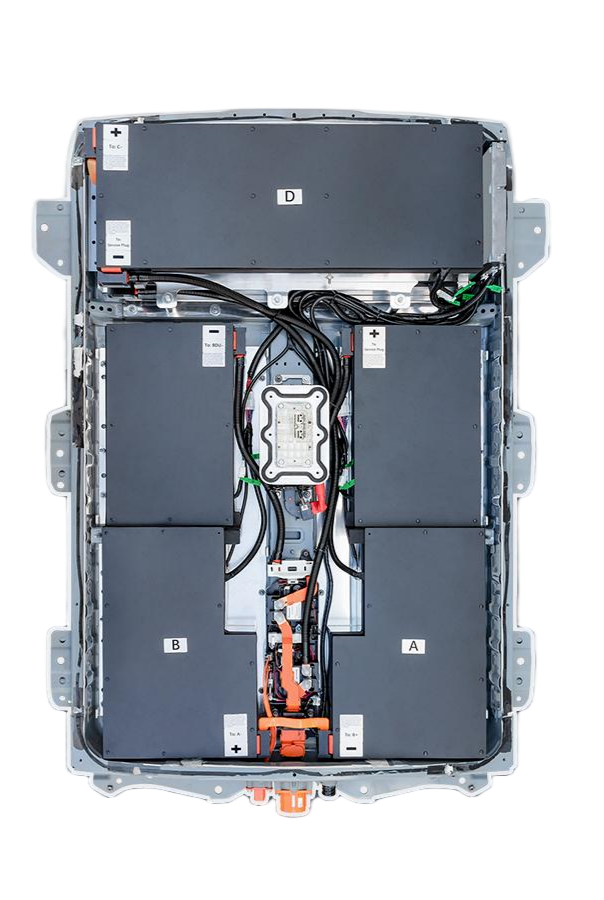
For owners seeking the simplest solution, plug-and-play battery packs offer:
- Direct connector compatibility with original wiring
- No programming modifications required in most cases
- Installation time: approximately 2-3 hours
- Minimal technical expertise needed
Battery Module Replacement
For those comfortable with technical work, individual module replacement provides:
- Connection of 6 power lines and 1 signal line
- Requires basic tools (wrench, screwdriver, insulated gloves)
- Installation time: 2-4 hours depending on experience
- Remote video support available from technical experts
Professional Installation Recommendation
If you lack confidence in DIY installation, we recommend:
- Contacting local EV-specialized repair shops
- Requesting quotes for battery replacement labor
- Ensuring technicians have EV high-voltage certification
- Verifying shop experience with BMW i3 models
Cost Breakdown: Making the Smart Financial Decision
Total Cost Comparison
| Option | Battery Cost | Installation | Warranty | Total Investment |
|---|---|---|---|---|
| OEM Replacement | $14,000 | $800-1,200 | 2 years | $15,200 |
| Refurbished Pack | $8,000 | $800-1,200 | 6 months | $9,200 |
| CNS New Battery | $7,800 | $0-800 (DIY/Pro) | 2 years/80,000 km | $7,800-8,600 |
Return on Investment Analysis
Choosing a quality aftermarket solution like CNS BATTERY delivers:
- Up to 50% savings versus OEM pricing
- Extended warranty coverage protecting your investment
- Improved range reducing charging costs over time
- Higher resale value with documented battery replacement
Why Choose CNS BATTERY for Your BMW i3
Premium Cell Quality
All batteries utilize brand-new CATL ternary lithium cells, manufactured by one of the world’s leading battery producers. This ensures:
- Consistent performance across all cells
- Superior safety standards
- Longer cycle life compared to refurbished options
- Reliable capacity retention over years of use
Comprehensive Support Services
Pre-Sales Assistance:
- Free VIN compatibility verification
- Personalized consultation on capacity options
- Transparent pricing with no hidden fees
- Detailed product demonstrations via video
Post-Sales Commitment:
- Step-by-step installation manuals and videos
- Remote technical support via video calls
- 24-month warranty covering manufacturing defects
- Lifetime technical assistance for maintenance questions
Customer Satisfaction Evidence
Real owners share their experiences:
“After the original battery degraded, the dealership quoted €12,000 for replacement. I chose CNS, and the brand-new CATL battery cells matched original quality. Range increased from 180km to 290km. The lifetime technical support is incredible!”
— Lisa K., Berlin, Germany (2017 BMW i3)
“Our repair shop has purchased over 30 battery packs from CNS. Zero failure rate, perfect compatibility with BMW i3 models, and customer satisfaction is very high.”
— EK Auto Repair, Rome, Italy
Frequently Asked Questions (FAQ)
Q1: Will an aftermarket battery void my vehicle warranty?
A: For most BMW i3 models beyond the original warranty period, aftermarket batteries do not affect remaining coverage. CNS provides VIN compatibility checks to confirm your specific situation before purchase.
Q2: How long does shipping take?
A: Ocean freight typically requires 4-8 weeks to reach most global destinations. Express options (DHL/FedEx) deliver within 3-8 business days for additional cost.
Q3: What warranty coverage is included?
A: All CNS batteries come with a 2-year or 80,000 km warranty, whichever comes first. This covers manufacturing defects and capacity retention (12 bars should not drop below 9 bars after full charge).
Q4: Can I install the battery myself?
A: Yes, if you have basic technical skills and proper tools. CNS provides detailed installation videos, wiring harnesses, and accessories. For complete battery packs, installation is plug-and-play. For modules, professional assistance is recommended if you lack confidence.
Q5: What capacity options are available for BMW i3?
A: CNS offers 45kWh, 50kWh, and 62kWh battery pack/module options, allowing you to choose based on your range requirements and budget.
Q6: Are the battery cells new or refurbished?
A: All CNS batteries use 100% brand-new CATL ternary lithium cells. No refurbished or recycled cells are used in any product.
Q7: What if I encounter problems during installation?
A: CNS provides lifetime technical support including remote video calls with engineers. Most issues are resolved within hours of contact.
Q8: How does cold weather affect battery performance?
A: Premium CATL cells maintain superior performance in low temperatures compared to aged OEM batteries. Many customers report consistent range even in winter conditions.
Ready to Restore Your BMW i3’s Range?
Don’t let battery degradation limit your electric driving experience. With CNS BATTERY, you get:
✅ Brand-new CATL battery cells for reliable performance
✅ Up to 300 km range on a single charge
✅ 50% cost savings versus OEM pricing
✅ 2-year/80,000 km warranty for peace of mind
✅ Lifetime technical support from expert engineers
✅ Free VIN compatibility verification before purchase
Thousands of BMW i3 owners worldwide have already made the switch. Their vehicles are running better than ever, with restored range and renewed confidence for daily commuting and longer journeys.
Take Action Today
Your BMW i3 deserves a second life with premium battery technology.
👉 Get Your Free Custom Quote Now
Contact our technical experts today for personalized recommendations based on your vehicle’s specifications. Upload your VIN for instant compatibility verification, and discover how much you can save while gaining superior performance.
Don’t wait for complete battery failure. Proactive replacement ensures you maintain mobility without unexpected breakdowns. Every day you delay is another day of limited range and charging frustration.
Transform your BMW i3 driving experience today. Your extended-range electric future starts with one simple click.
Disclaimer: Installation requires appropriate technical knowledge and safety precautions. High-voltage battery work should only be performed by qualified individuals or certified professionals. Always follow local regulations and safety guidelines when working with electric vehicle battery systems.