BMW i3 Battery Environmental Impact vs Alternatives: The Truth Behind Your Replacement Choice
Is Your BMW i3 Battery Replacement Really Eco-Friendly?
Every BMW i3 owner faces the same daunting question eventually: what happens when the battery degrades? You’ve fallen in love with electric driving, but now you’re staring at a shrinking range and a dealership quote that feels like daylight robbery.
Here’s what most people don’t tell you: your battery replacement choice impacts far more than just your wallet. It affects the environment, your vehicle’s longevity, and ultimately, the sustainability promise that brought you to electric vehicles in the first place.
With original manufacturer batteries costing upwards of $16,000, and refurbished options carrying hidden environmental costs, where do you turn? This comprehensive guide breaks down the real environmental impact of BMW i3 battery options and reveals why smart replacement choices matter more than you think.
H2: Understanding BMW i3 Battery Degradation: The Hidden Environmental Cost
The Reality of Battery Aging
The BMW i3, launched in 2013, was a pioneer in sustainable urban mobility. However, like all lithium-ion batteries, its energy storage capacity diminishes over time. Most owners report significant range reduction after 8-10 years, with some experiencing capacity drops from 180km to under 100km on a full charge.
Key degradation factors include:
- Charge cycle count (typically 1,500-2,000 full cycles before noticeable decline)
- Temperature exposure (extreme heat or cold accelerates cell aging)
- Charging habits (frequent fast charging increases stress on battery cells)
- Storage conditions (prolonged periods at low or high state of charge)
The Environmental Dilemma
When your BMW i3 battery reaches end-of-life, you face three primary options—each with distinct environmental implications:
- Original Manufacturer Replacement – High cost, guaranteed compatibility, but significant manufacturing footprint
- Refurbished/Used Batteries – Lower upfront cost, but questionable cell health and shorter lifespan
- Aftermarket New Battery Solutions – Balanced pricing, new cell technology, variable quality standards
H2: Environmental Impact Comparison: Original vs. Refurbished vs. Aftermarket
Original Manufacturer Batteries: The Premium Price Tag
Environmental Pros:
- Guaranteed quality control and safety standards
- Full recycling programs through manufacturer networks
- Consistent performance matching original specifications
Environmental Cons:
- High manufacturing carbon footprint – New battery production generates approximately 150-200 kg CO2 per kWh
- Premium pricing ($14,000-$18,000) limits accessibility, leading some owners to abandon EVs entirely
- Limited availability for older models, potentially forcing premature vehicle retirement
Refurbished Battery Options: The False Economy
Environmental Pros:
- Extends life of existing battery materials
- Lower immediate manufacturing demand
Environmental Cons:
- Aged cell technology – Refurbished batteries often contain cells that have already completed 500+ charge cycles
- Shorter lifespan – Typically lasting only 2-4 years before requiring replacement again
- Higher failure rate – Increased risk of swelling, capacity loss, and safety concerns
- Limited warranty coverage – Many refurbishers offer only 6-12 months protection
- Hidden environmental cost – Multiple replacements multiply manufacturing and disposal impacts
Aftermarket New Battery Solutions: The Balanced Choice
Environmental Pros:
- Brand new cell technology – Modern lithium chemistry offers improved energy density and longevity
- Competitive pricing (approximately 50% of original manufacturer cost) makes EV ownership sustainable long-term
- Extended warranty periods (2 years/80,000 km standard) reduce replacement frequency
- Compatible with existing vehicle architecture – No need for vehicle modification or disposal
Environmental Cons:
- Quality varies significantly between suppliers
- Requires careful vendor selection to ensure safety standards
H2: CNS BATTERY BMW i3 Solution: Sustainability Meets Performance
Why Cell Quality Matters for Environmental Impact
Not all aftermarket batteries are created equal. CNS BATTERY distinguishes itself through commitment to brand new CATL ternary lithium cells – the same tier-1 manufacturer supplying major automotive brands globally.
Key Environmental Advantages:
| Feature | CNS BATTERY | Typical Refurbished | Original Manufacturer |
|---|---|---|---|
| Cell Condition | Brand New CATL Cells | Aged/Recycled Cells | Brand New (OEM) |
| Expected Lifespan | 8-10+ years | 2-4 years | 8-10 years |
| Warranty Coverage | 2 years/80,000 km | 6-12 months | 2-4 years |
| Price Point | ~$7,500-$9,000 | ~$5,000-$7,000 | ~$16,000 |
| Replacement Frequency | Once | 2-3 times | Once |
The Long-Term Environmental Math
Consider this scenario over a 10-year period:
Refurbished Battery Path:
- Initial purchase: $6,000
- Replacement at year 3: $6,000
- Replacement at year 6: $6,000
- Total cost: $18,000
- Total manufacturing footprint: 3 battery productions
- Total disposal waste: 2 additional battery packs
CNS BATTERY Path:
- Initial purchase: $8,500
- No replacement needed within 10 years
- Total cost: $8,500
- Total manufacturing footprint: 1 battery production
- Total disposal waste: Minimal
The result? Choosing quality aftermarket solutions can reduce manufacturing carbon emissions by 60-70% while saving thousands of dollars.
H2: Real-World Performance: What BMW i3 Owners Experience
Case Study: Berlin, Germany
Lisa K., a 2017 BMW i3 owner, faced the classic degradation dilemma. Her original battery range had dropped from 180km to approximately 120km, making daily commuting unreliable.
Dealership quote: €12,000 (approximately $13,500)
CNS BATTERY solution: 45kWh upgrade
Results after installation:
- Full charge range increased from 120km to 290km
- Charging frequency reduced from daily to once per week
- Installation completed with remote video guidance
- Lifetime technical support included
- Battery health remained stable at 12 bars after 10 months of use
“The brand-new CATL battery cells were of the same quality as the original. The value for money is incredible!” – Lisa K.
Key Performance Metrics
CNS BATTERY BMW i3 Specifications:
- Available capacities: 45kWh, 50kWh, 62kWh
- Range improvement: Up to 300km on full charge (45kWh version)
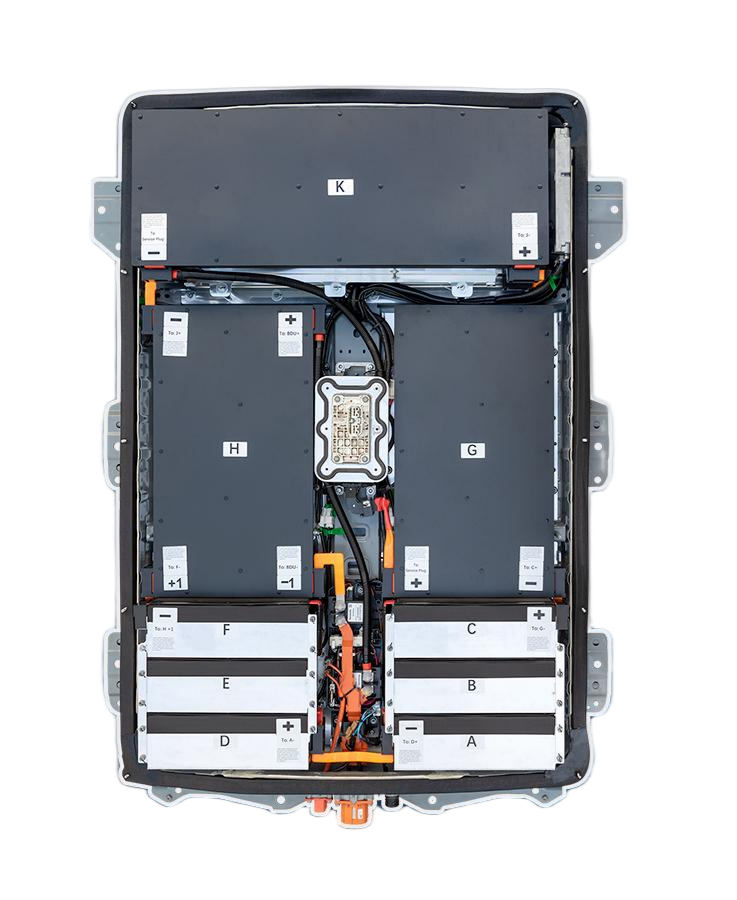
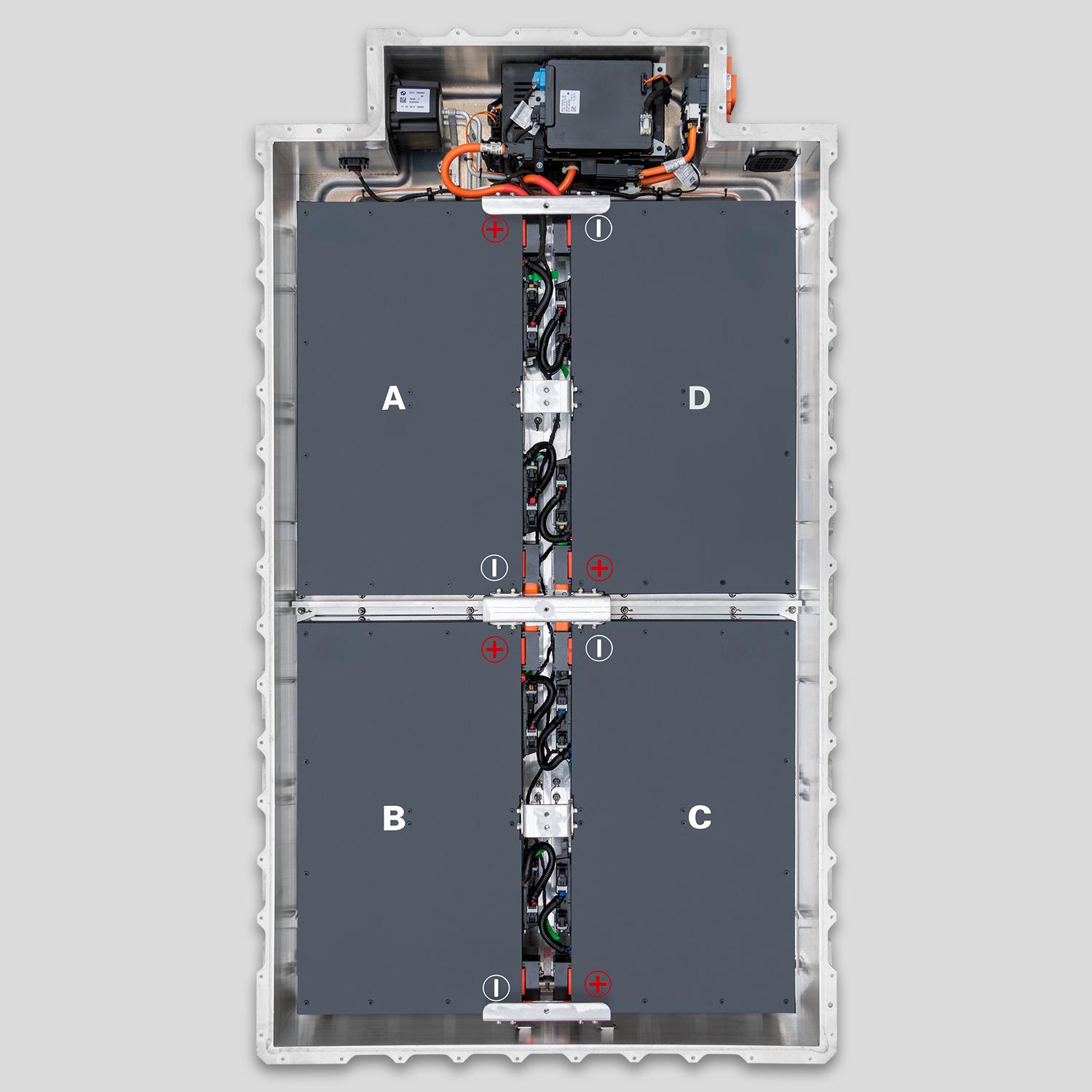
- Module configuration: 4 modules (A, B, C, D) with plug-and-play installation
- Weight optimization: Comparable to original battery pack
- Temperature resilience: Stable performance in extreme conditions (-20°C to 45°C)
H2: Installation & Compatibility: Minimizing Environmental Disruption
Plug-and-Play Design Philosophy
One often-overlooked environmental factor is installation complexity. Complicated installations require:
- More technician hours (increased labor carbon footprint)
- Specialized equipment and facilities
- Higher risk of installation errors leading to premature failure
CNS BATTERY approach:
- Complete battery pack: True plug-and-play installation (approximately 2 hours)
- Module option: Only 6 power lines and 1 signal line connection required
- Comprehensive documentation: Video tutorials and installation manuals included
- Remote technical support: Real-time video guidance available
Vehicle Compatibility Assurance
Before any purchase, CNS provides free VIN compatibility assessment, ensuring:
- Perfect fitment without vehicle modification
- No impact on existing vehicle systems
- BMS programming compatibility confirmed in advance
- Zero risk of mismatched components leading to waste
H2: Warranty & Long-Term Support: Building Trust Through Accountability
Industry-Leading Warranty Coverage
CNS BATTERY Warranty Terms:
- 24 months or 80,000 kilometers (whichever comes first)
- Coverage for both single modules and complete battery packs
- Capacity retention guarantee: 12 bars should not drop below 9 bars after full charge within warranty period
- Non-transferable to original purchaser only
What’s Covered:
- Manufacturing defects
- Cell performance degradation beyond specifications
- BMS malfunctions
- Connection and wiring issues (if installed per instructions)
What’s Not Covered:
- Damage from improper installation
- Unauthorized battery pack opening
- Physical damage from accidents
- Normal wear beyond warranty period
Lifetime Technical Support
Beyond warranty, CNS provides lifelong technical support including:
- Installation and maintenance documentation
- Remote video consultation
- Charging optimization guidance
- Seasonal performance tips (winter/summer battery care)
H2: Making the Sustainable Choice: Your Decision Framework
Questions to Ask Before Purchasing
- What is the actual cell condition? (New vs. refurbished vs. recycled)
- What warranty coverage is provided? (Duration, mileage, capacity retention)
- What is the expected lifespan? (Years and charge cycles)
- What technical support is available? (Installation, troubleshooting, maintenance)
- What is the total cost of ownership? (Purchase price + potential replacements over 10 years)
- What is the manufacturer’s environmental policy? (Recycling programs, cell sourcing)
Red Flags to Avoid
- ❌ Vague cell origin information
- ❌ Warranty periods under 12 months
- ❌ No technical support infrastructure
- ❌ Prices significantly below market average (indicates compromised quality)
- ❌ No VIN compatibility verification process
Green Flags to Look For
- ✅ Transparent cell manufacturer disclosure (e.g., CATL, LG, Samsung)
- ✅ Warranty matching or exceeding original manufacturer standards
- ✅ Comprehensive installation support
- ✅ Positive customer reviews with verified purchases
- ✅ Clear environmental and recycling policies
H2: Frequently Asked Questions (FAQ)
Q1: How long does a CNS BATTERY BMW i3 replacement last?
A: With proper care and charging habits, CNS BATTERY units are designed to last 8-10 years or more, comparable to original manufacturer batteries. The 2-year/80,000 km warranty provides initial coverage, but real-world performance typically extends well beyond this period.
Q2: Is the environmental impact of aftermarket batteries better than original?
A: When comparing total lifecycle impact, quality aftermarket batteries often have lower environmental footprints due to:
- Single replacement vs. multiple refurbished battery replacements
- Modern cell technology with improved energy efficiency
- Reduced manufacturing demand through extended vehicle life
- Lower transportation emissions (direct shipping vs. dealer network distribution)
Q3: Will replacing my BMW i3 battery affect the vehicle warranty?
A: For vehicles still under original manufacturer warranty, battery replacement may affect coverage. However, most BMW i3 vehicles requiring battery replacement are beyond the original warranty period (8+ years old). CNS provides compatibility verification to ensure no adverse effects on remaining vehicle systems.
Q4: What happens to my old battery after replacement?
A: CNS recommends proper recycling through certified e-waste facilities. Many regions have mandatory battery recycling programs, and some automotive shops offer battery disposal services. Never dispose of lithium-ion batteries in regular trash.
Q5: Can I install the battery myself, or do I need a professional?
A: CNS provides both options:
- Complete battery pack: Plug-and-play design suitable for experienced DIYers with proper tools and safety equipment
- Module installation: Requires technical skills (connecting 6 power lines and 1 signal line)
- Professional installation recommended if you lack confidence. Remote video guidance is available for both scenarios.
Q6: How does pricing compare to original manufacturer batteries?
A: CNS BATTERY pricing is approximately 50% of original manufacturer cost:
- CNS BATTERY: $7,500-$9,000 (depending on capacity)
- Original Manufacturer: $14,000-$18,000
- Refurbished: $5,000-$7,000 (but requires 2-3 replacements over same period)
Q7: What cell technology is used in CNS BATTERY products?
A: CNS uses brand new ternary lithium cells from CATL, one of the world’s largest and most reputable battery manufacturers. These cells meet international safety and performance standards, ensuring reliability comparable to original equipment.
Q8: How long does shipping take?
A: Shipping times vary by method:
- Ocean freight: 4-8 weeks to most global destinations
- Express courier (DHL/FedEx): 3-8 business days
- Packaging uses fumigation-free wood crates for protection during transit
H2: Take Action: Extend Your BMW i3 Life Today
The Choice Is Clear
Your BMW i3 battery replacement decision impacts:
- Your wallet (thousands in savings)
- The environment (reduced manufacturing footprint)
- Your driving experience (restored range and reliability)
- The EV revolution (keeping electric vehicles on the road longer)
Choosing quality aftermarket solutions like CNS BATTERY isn’t just smart economics—it’s responsible environmental stewardship.
Ready to Restore Your BMW i3?
Don’t let battery degradation force you back to gasoline vehicles. With brand new CATL cells, industry-leading warranty coverage, and lifetime technical support, CNS BATTERY makes sustainable EV ownership accessible.
🔋 Get Your Free Custom Quote Today
Visit CNS BATTERY Contact Page to:
- Submit your vehicle VIN for compatibility verification
- Receive personalized capacity recommendations
- Get transparent pricing including shipping
- Connect with technical experts for consultation
Your BMW i3 deserves a second life. The planet deserves your smart choice.
Disclaimer: All pricing and specifications are subject to change. Contact CNS BATTERY directly for current quotes and availability. Installation should be performed by qualified technicians or experienced DIYers with proper safety equipment.