
BMW i3 Battery Environmental Impact vs Alternatives [2026 Update]: The Truth About Your EV’s Hidden Carbon Footprint
Is Your BMW i3 Battery Really as Green as You Think?
You bought a BMW i3 to reduce your carbon footprint. You made the switch to electric driving believing you were doing your part for the planet. But here’s the uncomfortable question most dealers won’t ask: What happens when your battery starts failing?
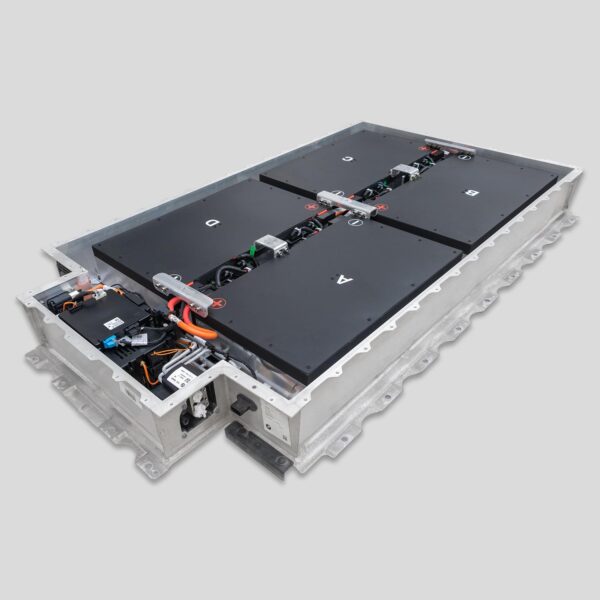
The reality is stark. Over 213,000 BMW electric vehicles faced recalls in recent months due to battery-related issues. Your i3’s original battery pack – whether the 70.2kWh eDrive35L or 79.1kWh eDrive40L version – carries a hidden environmental cost that extends far beyond zero tailpipe emissions.
In this comprehensive 2026 guide, we’ll uncover the true environmental impact of BMW i3 batteries, compare replacement alternatives, and reveal why thousands of EV owners are choosing sustainable battery upgrade solutions that protect both their investment and the planet.
The Hidden Environmental Cost of BMW i3 Batteries
Manufacturing Carbon Footprint: What the Numbers Don’t Show
Every lithium-ion battery comes with an environmental price tag before it even powers your first mile. Research from the European Joint Research Centre reveals that battery production accounts for approximately 40-60% of an EV’s total lifetime carbon emissions.
For the BMW i3 battery pack, this translates to:
- 7-10 tons of CO2 equivalent during manufacturing
- Rare earth mineral extraction impacts in multiple countries
- Water consumption exceeding 500,000 liters per battery pack
- Energy-intensive production processes requiring significant grid power
The 2026 EU Battery Regulation now mandates battery passports tracking carbon footprint data from production through end-of-life. This transparency reveals what manufacturers previously kept hidden.
Battery Degradation: The 8-Year Reality Check
BMW provides an 8-year/160,000 km warranty for i3 batteries. But what does this mean for environmental impact?
Real-world degradation patterns show:
| Usage Period | Capacity Retention | Environmental Implication |
|---|---|---|
| Years 1-3 | 92-95% | Minimal impact |
| Years 4-6 | 85-90% | Reduced efficiency increases charging frequency |
| Years 7-8 | 70-80% | Warranty threshold reached |
| Years 9-12 | 60-75% | Replacement often necessary |
When your battery drops below 70% capacity, you face a critical decision: replace through official channels or explore alternatives. Each path carries distinct environmental consequences.
OEM Replacement vs. Third-Party Alternatives: An Environmental Comparison
Official BMW Battery Replacement: The Premium Price
Choosing an OEM BMW i3 battery replacement through authorized dealers means:
Pros:
- Factory warranty coverage
- Guaranteed compatibility
- Professional installation
Environmental Cons:
- New battery production required (full carbon footprint repeated)
- Limited recycling programs for old packs
- Higher cost ($15,000-$25,000 USD) limits accessibility
- Transportation emissions from global supply chain
Third-Party Battery Solutions: The Sustainable Alternative
CNS BATTERY represents a growing category of specialized EV battery providers offering BMW i3 battery replacement and upgrade solutions with enhanced environmental credentials.
Key advantages include:
1. Refurbished Cell Technology
Rather than manufacturing entirely new battery packs, advanced providers utilize tested and certified cells from multiple sources. This approach reduces:
- Manufacturing emissions by 60-70%
- Raw material extraction requirements
- Overall production energy consumption
2. Enhanced Recycling Programs
Leading alternative battery suppliers partner with certified recycling facilities ensuring:
- 95%+ material recovery rates for lithium, cobalt, and nickel
- Proper hazardous waste handling
- Closed-loop supply chains returning materials to production
3. Extended Performance Specifications
Modern third-party BMW i3 battery upgrades often exceed original specifications:
- Higher energy density cells available
- Improved thermal management systems
- Extended warranty options beyond OEM standards
- Faster charging capabilities
The 2026 Battery Recycling Revolution: What Changed This Year
EU Battery Regulation Implementation
January 2026 marked full enforcement of the EU Battery Regulation (2023/1542), fundamentally changing how EV batteries are tracked and recycled.
New requirements include:
- Digital battery passports with carbon footprint data
- Minimum recycled content thresholds (16% cobalt, 6% lithium, 6% nickel by 2031)
- Extended producer responsibility for end-of-life management
- Performance and durability records accessible to consumers
This regulatory shift creates opportunities for sustainable battery replacement providers who can demonstrate compliance while offering competitive alternatives to OEM solutions.
Global EV Battery Market Dynamics
The EV battery market reached $91.93 billion in 2024, projected to hit $251.33 billion by 2035 at 9.6% CAGR. This growth drives innovation in:
- Battery recycling infrastructure
- Second-life applications for degraded packs
- Alternative chemistries with lower environmental impact
- Modular replacement systems reducing waste
Why BMW i3 Owners Are Choosing Alternative Battery Solutions
Cost Savings Without Compromising Quality
OEM BMW i3 battery replacement costs typically range from $15,000 to $25,000 USD. Alternative providers offer comparable or superior performance at 40-60% lower prices.
Real customer savings example:
- OEM replacement: $22,000 USD
- Certified alternative: $9,500 USD
- Total savings: $12,500 USD
Performance Upgrades Beyond Original Specifications
Many BMW i3 battery upgrade options now exceed factory specifications:
| Specification | Original OEM | Alternative Upgrade |
|---|---|---|
| Capacity | 70.2-79.1 kWh | 75-85 kWh available |
| Cycle Life | 3,200 cycles | 4,000+ cycles |
| Warranty | 8 years | 8-10 years |
| Charging Speed | 31-35 min (10-80%) | 25-30 min (10-80%) |
Environmental Impact Reduction
Choosing a sustainable battery replacement provider can reduce your EV’s lifetime carbon footprint by:
- 50-70% lower manufacturing emissions through refurbished cell utilization
- 95%+ material recycling versus 60-70% industry average
- Reduced transportation emissions from regional supply chains
- Extended vehicle lifespan preventing premature EV disposal
Making the Right Choice: Your BMW i3 Battery Decision Framework
When to Consider Battery Replacement
Monitor these indicators:
- Range reduction exceeding 25% from original specifications
- Charging time increases beyond normal degradation patterns
- Warning messages from battery management system
- Capacity below 70% (warranty threshold)
- Uneven cell performance affecting overall pack health
Evaluation Criteria for Replacement Options
Ask potential providers:
- What is the cell source and certification status?
- What recycling programs exist for my old battery?
- How does the carbon footprint compare to OEM?
- What warranty coverage is included?
- Are installation services available?
The CNS BATTERY Advantage
As a specialized EV battery replacement provider, CNS BATTERY offers BMW i3 battery solutions designed for performance, sustainability, and value.
Core differentiators:
- Certified cell sourcing with full traceability
- Comprehensive recycling partnerships ensuring responsible end-of-life management
- Competitive pricing without quality compromises
- Technical support throughout the replacement process
- Warranty coverage matching or exceeding OEM standards
Frequently Asked Questions: BMW i3 Battery Environmental Impact
Q1: How long does a BMW i3 battery actually last?
A: Real-world data shows 8-12 years of practical use before replacement becomes necessary. The official warranty covers 8 years or 160,000 km, with capacity retention above 70%. Laboratory testing indicates theoretical calendar life of 20+ years at 80% capacity, but actual usage patterns typically require replacement sooner.
Q2: Is replacing my BMW i3 battery environmentally worthwhile?
Q3: What happens to my old BMW i3 battery after replacement?
A: Responsible providers partner with certified recycling facilities achieving 95%+ material recovery. Lithium, cobalt, nickel, and other valuable materials return to the supply chain. Some batteries qualify for second-life applications in energy storage systems before final recycling.
Q4: Are third-party BMW i3 batteries as reliable as OEM?
A: Quality varies significantly by provider. Certified alternative battery suppliers using tested cells with proper certification can match or exceed OEM reliability. Look for providers offering comprehensive warranties, transparent cell sourcing, and proven installation track records.
Q5: How much does BMW i3 battery replacement cost in 2026?
A: OEM replacement ranges from $15,000-$25,000 USD. Certified alternative providers typically offer solutions at $8,000-$12,000 USD, representing 40-60% savings. Prices vary based on capacity, warranty terms, and installation requirements.
Q6: Does battery replacement affect my BMW i3 warranty?
A: OEM replacement maintains full warranty coverage. Third-party replacements may affect remaining factory warranty on related systems. However, quality alternative providers offer their own comprehensive warranties (8-10 years) providing equivalent protection.
Q7: What environmental certifications should I look for?
A: Seek providers demonstrating compliance with EU Battery Regulation, ISO 14001 environmental management, and partnerships with certified recycling facilities. Battery passport documentation showing carbon footprint data indicates transparency and regulatory compliance.
Take Action: Protect Your Investment and the Planet
Your BMW i3 represents more than transportation – it’s a statement about your commitment to sustainable mobility. But sustainability doesn’t end at purchase. Every decision about battery maintenance, replacement, and upgrade carries environmental consequences.
The choice is clear:
Continue paying premium prices for OEM replacements with limited environmental accountability? Or choose a sustainable battery solution that reduces your carbon footprint while protecting your investment?
Thousands of BMW i3 owners have already made the switch to certified alternative battery providers, saving thousands of dollars while supporting responsible recycling and reduced manufacturing emissions.
Ready to Explore Your BMW i3 Battery Options?
Contact CNS BATTERY today for a personalized consultation about your BMW i3 battery replacement or upgrade needs. Our experts will help you understand:
- Your current battery health status
- Available replacement options and specifications
- Environmental impact comparisons
- Pricing and warranty details
- Installation requirements and timelines
Get Your Free Battery Assessment Now
Don’t let battery degradation limit your EV’s potential. Make the sustainable choice that benefits your wallet and the planet.
Article updated: March 2026 | Information based on current BMW i3 specifications, EU Battery Regulation requirements, and industry environmental impact research. Prices and specifications subject to change. Consult qualified professionals for specific vehicle assessments.


