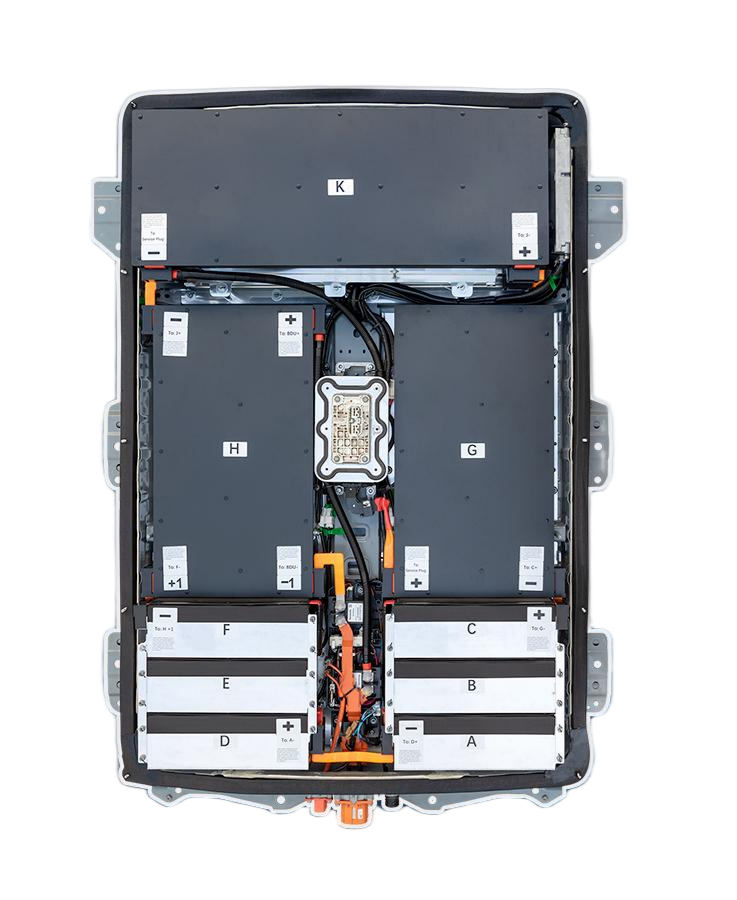
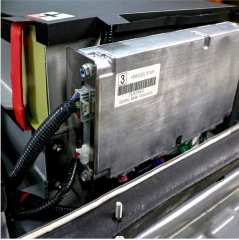
Common Pitfalls in BMW i3 Battery Upgrade
Upgrading your BMW i3 battery is one of the most effective ways to extend the life of your electric vehicle. However, the market is flooded with options ranging from salvaged junkyard packs to premium new cells. Without the right guidance, a simple upgrade can turn into a costly nightmare involving safety hazards, compatibility issues, or getting stranded with a dead battery.
At CNS Battery, we specialize in OEM-compatible lithium-ion solutions for BMW and Nissan models. With years of technical accumulation and thousands of successful installations globally, we have seen it all. This guide is designed to help you navigate the common pitfalls in BMW i3 battery upgrade, ensuring you make a safe, reliable, and cost-effective decision.
1. Choosing the Wrong Battery Chemistry
One of the most critical mistakes is not understanding the difference between Lithium Iron Phosphate (LFP) and Nickel Manganese Cobalt (NMC) chemistries, especially regarding your BMW i3’s Battery Management System (BMS).
- The Pitfall: Many low-cost suppliers offer LFP batteries for the i3. While LFP is durable, the BMW i3 BMS was designed for NMC chemistry. LFP cells have a flat voltage curve, which tricks the BMS into thinking the battery is full or empty when it is not.
- The Consequence: This leads to inaccurate State of Charge (SOC) readings. You might see 80% charge but actually have 100%, or worse, the car might shut down unexpectedly at 30%.
- The Solution: Always opt for an NMC battery pack. At CNS, we utilize premium new CATL NMC cells to ensure perfect voltage compatibility with the i3’s original software, guaranteeing accurate range calculations and seamless plug-and-play operation.
2. Ignoring the Cooling System Compatibility
The BMW i3 relies heavily on its cooling system to manage battery temperature. A failure here can destroy a brand-new pack.
- The Pitfall: Some aftermarket batteries cut corners by removing the cooling plates or using incompatible thermal interface materials.
- The Consequence: Without proper cooling, the battery cells overheat during fast charging or summer driving. This causes rapid degradation and can trigger thermal runaway protection, leaving you without power.
- The Solution: Ensure the replacement battery retains the original cooling system design. Our packs are engineered with precise thermal management systems, including proper coolant flow channels, to match the OEM specifications and keep your battery operating at peak efficiency.
3. Falling for “Like New” Refurbished Packs
The allure of a cheaper price tag often leads buyers to “refurbished” or “re-manufactured” batteries.
- The Pitfall: These packs are often just old, swollen, or degraded batteries pulled from salvage yards, cleaned up, and repackaged.
- The Consequence: You are essentially buying someone else’s worn-out technology. These cells have already lost significant capacity and are prone to swelling, cell failure, and short lifespans. As noted in our comparison data, refurbished batteries often fail within months.
- The Solution: Invest in a brand-new battery pack built with Grade-A new cells. While the upfront cost is higher than a scrap-yard box, the longevity, performance, and safety are incomparable. CNS batteries offer a 2-year/80,000km warranty, something rarely offered on recycled junk.
4. Overlooking BMS and Software Integration
The Battery Management System is the brain of your battery. If it doesn’t “speak” the same language as your car, you are in for a world of trouble.
- The Pitfall: Generic battery manufacturers often use third-party BMS units that are not calibrated for the BMW i3’s specific communication protocols.
- The Consequence: This results in error codes, the “12V Battery Warning,” or the inability to communicate with the vehicle’s dashboard. In severe cases, the car simply refuses to start.
- The Solution: Choose a supplier that offers OEM-standard R&D. Our batteries are designed to be plug-and-play, maintaining the original voltage and communication signals so your i3 recognizes the new pack as a factory-original unit.
5. DIY Installation Without Proper Tools
While upgrading the battery yourself can save money, skipping essential steps is a major pitfall.
- The Pitfall: Failing to reset the BMS or update the software after installation.
- The Consequence: Even with a perfect physical connection, the car might report a “High Voltage System Failure” or fail to initialize.
- The Solution: If you are a DIYer, ensure you have access to the necessary diagnostic tools or programming guides. We provide comprehensive installation videos and technical support to guide you through the process, from disconnecting the old power to programming the new BMS.
Why Choose CNS Battery for Your Upgrade?
Avoiding these pitfalls requires expertise and quality components. At CNS Battery, we are not just sellers; we are engineers dedicated to reliable battery innovation.
- Original Factory Standards: We design our packs specifically for the BMW i3 series, ensuring precise physical and electrical adaptation.
- Unbeatable Warranty: We back our confidence with a 24-month/80,000km warranty, covering defects and performance degradation, far exceeding industry standards for aftermarket parts.
- Cost Efficiency: We offer these premium new solutions at approximately 50% less than the original manufacturer, providing the best value for money.
Don’t let common mistakes ruin your EV experience. Upgrade with confidence.
Customize your BMW i3 battery solution today – Get a free quote and ensure your upgrade is safe and reliable.
Frequently Asked Questions (FAQ)
1. Can I install a larger kWh battery in my BMW i3?
Yes, it is possible to upgrade to a higher kWh capacity (e.g., from 42kWh to 62kWh or higher) in many BMW i3 models. However, this often requires specific hardware compatibility and sometimes BMS tuning to ensure the car accurately reads the new capacity. It is crucial to consult with a technical expert before attempting a capacity upgrade to avoid damaging the drivetrain.
2. How long does a BMW i3 battery upgrade take?
Professional installation typically takes 1-2 hours. This includes removing the old battery, installing the new pack, and running diagnostics. For DIY users, it may take longer depending on experience and tool availability. We provide step-by-step video guides to assist with the process.
3. What is the lifespan of a new replacement battery?
A brand-new lithium-ion battery from a reputable manufacturer like CNS, utilizing premium cells, can last 8-10 years or more under normal driving conditions. Our batteries are designed to maintain over 70% capacity even after the warranty period expires, ensuring you get the most out of your investment.
4. Are CNS batteries compatible with my specific BMW i3 model year?
We support a wide range of BMW i3 models (including various kWh variants). To confirm compatibility, we recommend using our free VIN compatibility assessment service. Simply provide your vehicle information, and our consultants will verify the perfect match for your car.