Here is the SEO-optimized article based on your requirements.
Common Pitfalls in BMW i3 Battery Safety Checks
Introduction
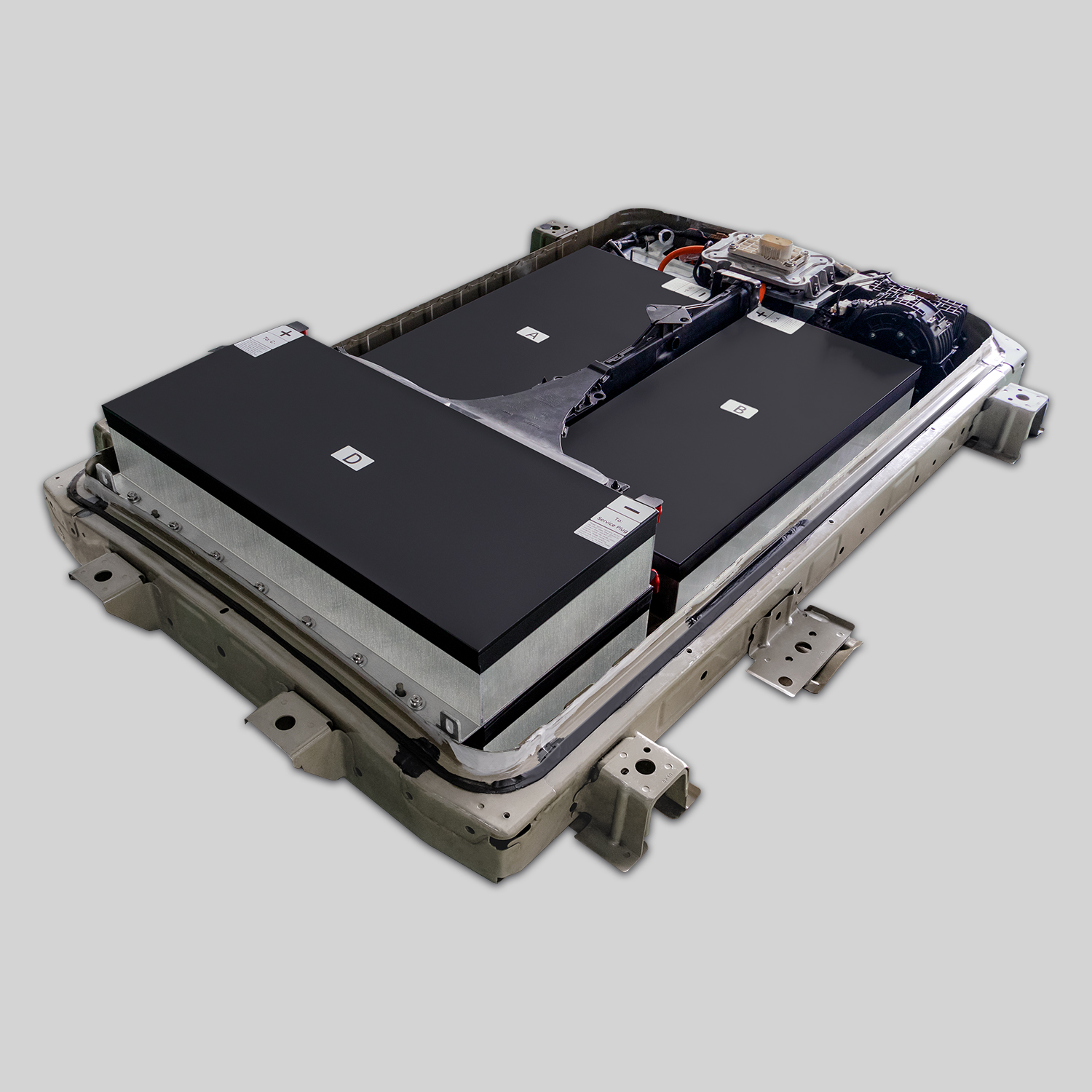
As a dedicated BMW i3 owner, you know that the heart of your vehicle is its high-voltage battery pack. Whether you drive the iconic i3 or the sporty i8, maintaining the health of your battery is not just about performance—it is a critical safety issue. At CNS BATTERY, we have spent over a decade specializing in premium aftermarket solutions for BMW and Nissan EVs. During this time, we have seen countless scenarios where DIY enthusiasts and even some workshops missed critical warning signs during routine checks.
A battery safety inspection is more than just looking for rust; it involves understanding the chemistry, the Battery Management System (BMS), and the physical integrity of the pack. In this guide, we will walk you through the most common pitfalls to avoid, ensuring your vehicle remains safe and reliable on the road.
1. Ignoring the “Silent” Threat: Moisture and Condensation
One of the most frequent mistakes we encounter is overlooking the impact of moisture inside the battery housing.
Many owners focus solely on external corrosion or visible rust on the chassis. However, the real danger often lies within. The BMW i3 battery pack is designed to be sealed, but over time, gaskets can degrade, or minor impacts can compromise the seal.
The Pitfall: Failing to check for internal moisture or condensation. If water infiltrates the pack, it can lead to short circuits, thermal runaway, or permanent damage to the BMS.
The Expert Solution:
During your inspection, look for signs of moisture ingress around the high-voltage connectors and the housing seals. If you are replacing the battery, ensure the new pack (such as the high-quality BMW i3 battery packs offered by CNS) comes with reinforced sealing technology to prevent this issue from the start.
2. Overlooking the BMS: More Than Just a Circuit Board
The Battery Management System (BMS) is the brain of your EV. It monitors cell voltage, temperature, and state of charge.
The Pitfall: Assuming that if the car turns on, the BMS is functioning correctly. Many standard multimeters cannot communicate with the high-voltage protocols of a BMW. Relying on basic voltage checks without proper diagnostic software means you might miss critical cell imbalances or software glitches.
The Expert Solution:
Always use professional-grade diagnostic tools that can interface with the BMW ISTA system. At CNS, our technical team always advises checking the BMS logs for error codes related to “Cell Imbalance” or “Temperature Sensor Failures.” If your BMS is faulty, simply replacing cells is not enough—you need a system reset or replacement.
3. The “One Size Fits All” Connector Myth
Physical connections are vital for safety. The high-voltage (HV) connectors in the BMW i3 are engineered to very specific tolerances.
The Pitfall: Forcing connectors or using aftermarket parts that do not meet OEM specifications. We often see reports of owners using “compatible” connectors that look similar but have different resistance ratings. This mismatch creates excessive heat, leading to melting connectors and potential fire hazards.
The Expert Solution:
Ensure that every connector, bolt, and fuse meets the exact OEM torque specifications. If you are upgrading or replacing your battery, choose a manufacturer like CNS BATTERY that guarantees OEM compatibility. Our packs are designed to be plug-and-play, ensuring the connectors match the original factory design perfectly, eliminating the risk of mismatched hardware.
4. Skipping the Visual: Insulation and Tape Integrity
This step is often rushed. The insulation tape on the busbars and cells acts as a primary safety barrier.
The Pitfall: Not replacing worn-out insulation tape. The BMW i3 battery insulation tape is specifically designed to withstand high temperatures and electrical loads. Over time, standard tape can degrade, exposing live circuits.
The Expert Solution:
During your safety check, inspect the condition of the insulation tape on the cell connections. If it is brittle or peeling, it must be replaced immediately with high-temperature, automotive-grade tape. For those opting for a complete replacement, our BMW i3 battery solutions come with factory-installed, durable insulation to guarantee safety right out of the box.
5. Neglecting the High-Voltage Fuse
The high-voltage fuse is a small but critical component located within the battery circuit.
The Pitfall: Assuming the fuse is intact just because the car has power. Sometimes, a fuse can be partially blown or have high resistance, which doesn’t cut power entirely but creates a dangerous heat spot.
The Expert Solution:
Physically remove and test the high-voltage fuse during your safety inspection. Do not rely on continuity tests alone; check for physical discoloration or internal breakage. If you are unsure, consult a professional or refer to our technical guides in the Help Center.
Why Choose a CNS BATTERY Replacement?
If your safety check reveals that your BMW i3 battery is beyond repair, choosing the right replacement is crucial. At CNS BATTERY, we are not just a supplier; we are a partner in your EV journey.
- OEM Compatibility: We specialize in providing Original EV Powertrain Customized solutions for BMW and Nissan. Our packs are engineered to fit seamlessly into your i3 without modifications.
- Unbeatable Warranty: We back our quality with a 2-year / 80,000 km warranty, covering defects and performance degradation. This is significantly longer than what most competitors offer.
- Premium Components: We utilize brand-new, top-tier cells (such as CATL) to ensure longevity and safety, avoiding the risks associated with refurbished or recycled cells.
Conclusion
Performing a BMW i3 battery safety check is a serious responsibility. By avoiding these common pitfalls—ignoring moisture, skipping the BMS check, mismatching connectors, neglecting insulation tape, and overlooking the fuse—you can ensure the longevity and safety of your vehicle.
If you are facing complex issues or need a reliable replacement, do not hesitate to contact our team of experts. We are here to help you get back on the road with confidence.
Ready to upgrade your BMW i3 battery safely? Get a Free Custom Quote today.
Frequently Asked Questions (FAQ)
Q1: How often should I perform a safety check on my BMW i3 battery?
A: We recommend a comprehensive visual and diagnostic check at least once a year. If you live in a humid or salty environment (near the coast), checks should be performed every 6 months to prevent moisture-related issues.
Q2: Can I replace the BMW i3 battery myself?
A: While it is technically possible, we strongly advise against DIY replacement unless you are a certified electrician. High-voltage systems are extremely dangerous. However, if you are replacing the entire pack (rather than individual cells), using a plug-and-play solution like those from CNS BATTERY significantly reduces the risk, as it requires minimal disassembly of the internal pack.
Q3: What is the lifespan of a BMW i3 battery?
A: On average, a BMW i3 battery lasts between 8 to 10 years, depending on usage and climate conditions. However, with proper maintenance and avoiding “deep discharges,” you can extend its life. If the capacity drops below 70%, it is usually time for a replacement.
Q4: Are aftermarket BMW i3 batteries safe?
A: Yes, but only if they meet OEM standards. Cheap aftermarket batteries often cut corners on safety features like the BMS and insulation. CNS BATTERY products are rigorously tested to ensure they meet or exceed factory safety standards, making them a safe and cost-effective alternative.
Q5: Where can I get genuine BMW i3 battery parts?
A: You can source high-quality, compatible battery packs and modules directly from our website. We ship globally with DDP (Delivered Duty Paid) service.