Here is the SEO-optimized article based on your requirements.
Common Pitfalls in BMW i3 Battery Reliability Testing
Is your BMW i3 battery failing the reliability test? Many owners face the dreaded “Brick” scenario or sudden range loss because standard testing methods fail to uncover hidden flaws in aftermarket batteries. At CNS Battery, we’ve spent over a decade analyzing the specific nuances of the BMW i3 powertrain. We know that a battery isn’t just a container for cells; it’s a complex system that requires rigorous, specialized testing to ensure it survives the long haul.
When you’re looking for a replacement, the market is flooded with options that look good on paper but fall apart in reality. This guide exposes the common pitfalls in BMW i3 battery reliability testing so you can avoid the costly mistakes that lead to premature failure.
1. The “New Cell” Trap: Appearance vs. Performance
One of the biggest red flags in the industry is the assumption that “new” means “reliable.”
- The Pitfall: Many suppliers simply slap new cells into a recycled casing without testing the structural integrity of the casing or the thermal interface.
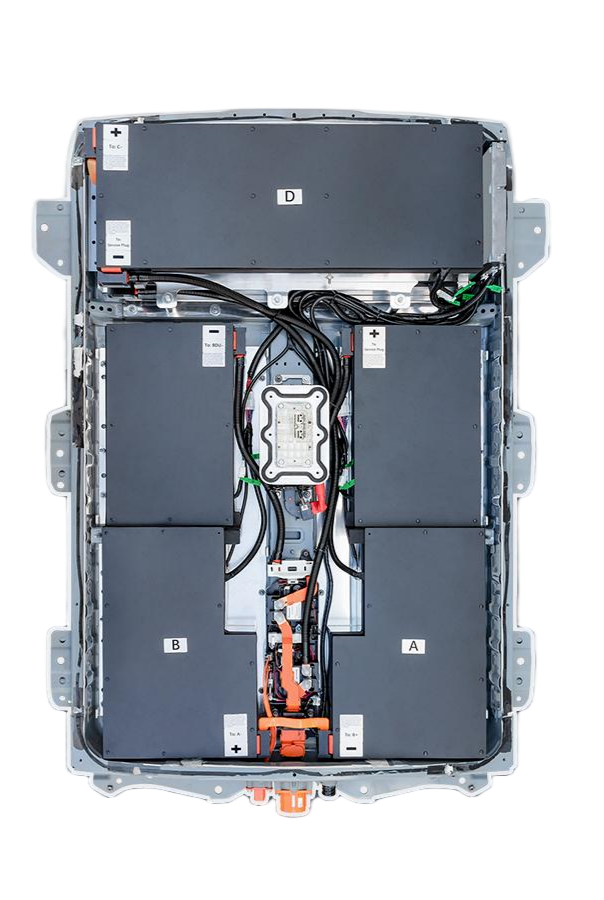
- The Reality: The BMW i3 battery relies heavily on its cooling system. If the cooling plates are warped or the casing has microscopic cracks (common in recycled casings), no amount of new cells will save you from overheating. We’ve seen countless “new” packs fail within months because the structural foundation was compromised.
- CNS Solution: We utilize brand-new, OEM-grade casings and cooling plates. We don’t recycle casings because we know the thermal expansion rates of old plastic can warp the new cells, leading to internal short circuits that standard visual tests miss.
2. Ignoring the BMS: The Silent Killer
The Battery Management System (BMS) is the brain of your battery. Most testing protocols only check if the BMS turns on, not if it functions correctly under stress.
- The Pitfall: Basic “continuity testing” only checks if the wires are connected. It doesn’t test the BMS’s ability to balance cells during fast charging or its response to cold weather.
- The Reality: The BMW i3 uses a specific communication protocol. If the BMS firmware isn’t perfectly matched to the cell chemistry (NMC), the car will either refuse to charge or will constantly limit power. This mismatch is a leading cause of the “High Voltage System Service Required” error.
- CNS Solution: Our testing includes dynamic load testing. We simulate real-world driving conditions—hard acceleration, regenerative braking, and extreme temperature shifts—to ensure the BMS communicates flawlessly with your i3’s onboard computer before the battery ever leaves our factory.
3. The “Missing” Thermal Testing
Thermal runaway and degradation are the primary enemies of lithium-ion batteries, especially in the compact design of the i3.
- The Pitfall: Many factories only test cells at room temperature (25°C). They ship batteries that work fine in the warehouse but fail on the highway.
- The Reality: The i3 battery sits under the floor, absorbing heat from the road. Standard tests often neglect the “edge cases” of -20°C winter mornings or 50°C summer asphalt.
- CNS Solution: We subject our packs to Accelerated Life Testing (ALT). This involves cycling the battery between -30°C and 60°C while under load. If a pack can’t maintain voltage stability across this spectrum, it doesn’t ship. This is why our customers report stable performance even in the harsh winters of Canada or the scorching summers of Texas.
4. Cell Quality: The Counterfeit Conundrum
This is perhaps the most dangerous pitfall. Not all “Grade A” cells are created equal.
- The Pitfall: Some suppliers source “A-grade” cells from unknown manufacturers or use “seconds” (cells that failed the original manufacturer’s quality control) and relabel them.
- The Reality: Inconsistent internal resistance between cells causes “weak links.” During reliability testing, these weak cells will show up as hotspots on a thermal camera, but if the tester isn’t looking, they ship a time bomb.
- CNS Solution: We exclusively use brand-new CATL (Contemporary Amperex Technology) cells. We have direct supply chain agreements to ensure every cell is 100% virgin, with matched internal resistance and capacity. We don’t buy from the open market, eliminating the risk of counterfeit cells.
5. The Installation Myth: DIY vs. Professional
Reliability testing doesn’t end at the factory floor; it extends to the installation process.
- The Pitfall: Assuming the battery is “plug and play” without considering the technician’s skill level or the sealing process.
- The Reality: The i3 battery seal is critical. If the sealant isn’t applied correctly, moisture ingress occurs. Water and high voltage don’t mix, leading to corrosion and BMS failure. Many “battery failures” are actually installation errors.
- CNS Solution: We don’t just ship a box. We provide professional installation guides and video support. Our reliability standard includes ensuring the end-user has the resources to seal the battery correctly. We offer remote video guidance to ensure the installation integrity matches our manufacturing integrity.
Why Settle for Less? The CNS Battery Difference
When you are shopping for a BMW i3 battery replacement, don’t just look at the price tag. Look at the testing standards.
| Feature | CNS Battery Standard | Common Industry Standard |
|---|---|---|
| Core Cells | 100% Brand New CATL | Recycled, Mixed, or Unknown Brand |
| Testing Protocol | Dynamic Load & Thermal Cycling | Basic Continuity / Voltage Check |
| Warranty | 2 Years / 80,000 km | Often None or “As-Is” |
| Casing | New OEM-Grade | Recycled/Refurbished (Risk of Leaks) |
| BMS | Pre-Programmed & Verified | Unprogrammed or Generic |
Ready to solve your BMW i3 battery woes with a pack that actually passes reliability testing?
Don’t risk your investment on a battery that hasn’t been properly vetted. Get a free, no-obligation quote today and experience the difference of a battery built for the long run.
Get Your Free Custom Quote Now
Frequently Asked Questions (FAQ)
Q1: How long does the BMW i3 battery installation take?
A: For a professional technician, the installation typically takes 1-2 hours. We provide step-by-step installation videos and PDF guides to ensure a smooth process. If you are a DIY user, we recommend setting aside a full afternoon to ensure safety and accuracy.
Q2: What is the warranty on the CNS BMW i3 battery?
A: We offer an industry-leading 2-year / 80,000 km warranty (whichever comes first). This coverage includes protection against defects in materials and workmanship, as well as performance degradation (ensuring the battery maintains at least 70% capacity).
Q3: Are these batteries compatible with all BMW i3 models?
A: Yes, our batteries are designed to be compatible with the entire BMW i3 series. We ensure OEM-standard voltage, capacity, and interface matching. For specific model confirmation (including your VIN), please contact our technical experts for a free compatibility assessment.
Q4: Do I need to reprogram the car’s computer after installing the new battery?
A: Our batteries come with the BMS pre-programmed to communicate with the BMW i3’s systems. In most cases, it is a plug-and-play solution. However, some models may require a simple reset or adaptation procedure, which our customer service team can guide you through via video call if needed.
Q5: How is the battery shipped internationally?
A: We offer DDP (Delivered Duty Paid) service to most countries. Due to lithium-ion regulations (UN 3480/3481), we ship via specialized carriers like DHL, FedEx, or UPS. We handle all customs compliance to ensure your battery arrives safely at your door.