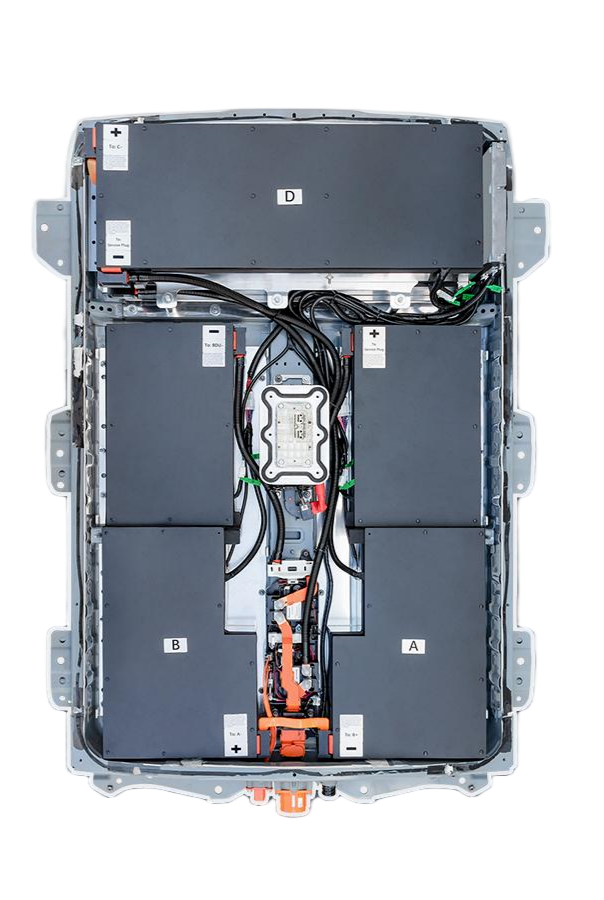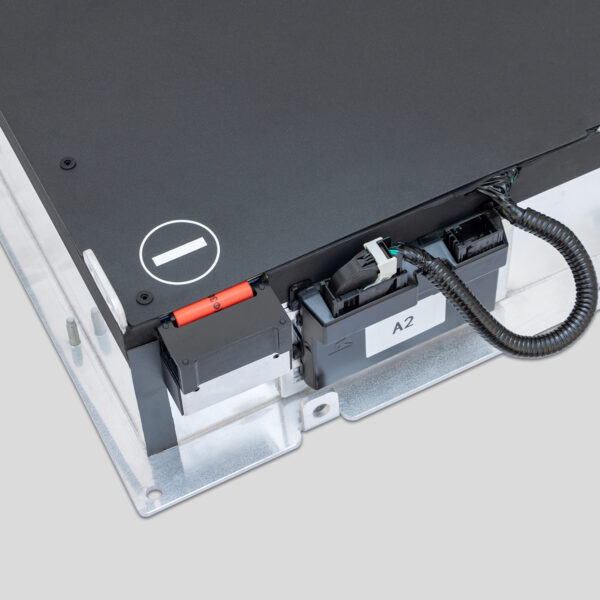
Here is the SEO-optimized article tailored for the CNS BATTERY brand, focusing on the specific challenges of BMW i3 battery diagnostics and positioning your solution as the expert alternative.
The Hidden Traps: Common Pitfalls in BMW i3 Battery Diagnostics You Must Avoid
Owning a BMW i3 is a unique driving experience. However, like any electric vehicle, the battery pack is the heart of the system, and diagnosing issues requires precision. If you’re facing error codes, reduced range, or charging failures, the diagnostic process you choose can mean the difference between a reliable fix and a costly, recurring nightmare.
At CNS BATTERY, we don’t just sell replacement packs; our engineering team sees the fallout of improper diagnostics every day. We’ve compiled this guide to highlight the most common pitfalls in BMW i3 battery diagnostics to help you avoid them.
1. The “Error Code Only” Approach
The Trap: Many mechanics rely solely on the error code displayed on the dashboard or a generic OBD2 scanner. While codes like “120302” (High Voltage Battery: Cell voltage too low) are helpful, they are symptoms, not root causes.
Why It Fails: A low voltage code could mean a single dead cell, a failing Battery Management System (BMS), or a communication fault. Replacing the entire pack based on a single code without deep testing leads to unnecessary expenses. In the aftermarket sector, this often results in customers buying a full replacement when they only needed a module repair.
The Expert Fix: At CNS, we advocate for voltmeter testing of individual cells and modules. This granular approach identifies if the core chemistry is degraded or if it is a simple electronic fault.
2. Ignoring Cell Chemistry and History
The Trap: Assuming all lithium-ion batteries are the same. The BMW i3 originally utilized different chemistries over its production run, including specific NMC (Nickel Manganese Cobalt) formulations.
Why It Fails: If a repair shop diagnoses a “bad module” and replaces it with a module of different chemistry (or worse, a recycled module from a different vehicle generation), the BMS will struggle to balance the pack. This leads to rapid degradation and “limp mode” errors shortly after the repair.
The Expert Fix: We utilize brand-new, standardized CATL cells in our packs. When diagnosing a failing pack, we look at the Cell NMC 117Ah specification. Consistency is key. Mixing old and new, or different chemistries, is a diagnostic death sentence.
3. Misdiagnosing the BMS as the Battery
The Trap: The Battery Management System (BMS) is the computer that monitors the high-voltage pack. It is prone to failure, especially in older i3 models.
Why It Fails: A faulty BMS will often report “Battery Fault” or “Reduced Power.” Many technicians automatically assume the $5,000 battery pack is dead when, in reality, the $300 BMS unit is the culprit. Conversely, replacing the BMS on a pack with dead cells will result in the new BMS failing immediately due to the load.
The Expert Fix: Our diagnostic protocol includes BMS isolation testing. We check the communication lines and the BMS output independently of the cell voltage. This ensures you only replace what is broken.
4. Overlooking Physical Damage and Insulation
The Trap: Focusing purely on electrical signals and ignoring the physical state of the battery.
Why It Fails: The BMW i3 battery is susceptible to water ingress and physical swelling. If a diagnostic scan shows “insulation resistance too low,” a rookie mistake is to blame the cells. The real culprit is often degraded battery insulation tape or a cracked housing seal allowing moisture inside.
The Expert Fix: A thorough diagnostic must include a visual and physical inspection. We check the integrity of the high-voltage cables and the insulation tape. If moisture is present, simply replacing cells without addressing the seal will lead to a short circuit.
5. The “Refurbished” Gamble
The Trap: Being seduced by the low price of a “refurbished” or “recycled” battery diagnosed as “good.”
Why It Fails: Refurbished batteries are often just discarded packs with a few cells replaced. The diagnostic process here is usually “Does it turn on?” rather than “What is the cycle life remaining?” These packs frequently have hidden degradation and fail within 6-12 months, leaving you stranded.
Why Choose CNS BATTERY?
At CNS, we eliminate diagnostic guesswork by providing a brand-new, factory-standard solution. We don’t patch together old technology; we offer a ground-up replacement designed for Nissan and BMW platforms.
- Zero Guesswork: Our packs are pre-programmed and tested to OEM standards.
- Superior Quality: We use brand-new CATL cells, not recycled or mixed stock.
- Unbeatable Warranty: We back our diagnostics and build quality with a 2-year / 80,000 km warranty, far exceeding industry standards for refurbished units.
Don’t let a bad diagnosis cost you thousands. Get a quote for a reliable, factory-new replacement today.
Get Your Free Custom Quote Now
Frequently Asked Questions (FAQ)
Q: How do I know if my BMW i3 battery needs diagnostics or a full replacement?
A: If your vehicle shows “Check Control” messages related to the high-voltage system, reduced range, or charging interruptions, diagnostics are needed. However, if the battery has over 100,000 miles or the cells are physically swollen, a full replacement with a new pack (like those from CNS) is usually the most cost-effective long-term solution.
Q: Can I perform BMW i3 battery diagnostics myself?
A: While basic OBD2 scanners can read error codes, diagnosing the high-voltage (HV) system requires specialized safety training and equipment. Working with HV batteries is dangerous. We recommend consulting a professional or opting for a plug-and-play replacement solution to avoid the risks.
Q: What is the lifespan of a properly diagnosed BMW i3 battery?
A: A properly maintained original battery can last 8-10 years. However, if a battery has been misdiagnosed and patched (e.g., with mismatched cells), its lifespan can be as short as 6 months. A brand-new CNS replacement pack is built to last the life of the vehicle, backed by our 2-year warranty.