Common Pitfalls in BMW i3 Battery Charging Setup (And How to Avoid Them)
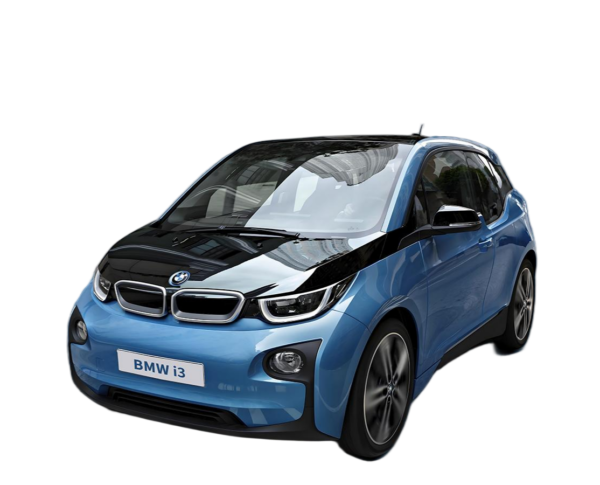
Owning a BMW i3 is a unique driving experience. The blend of sporty handling, instant torque, and eco-conscious design makes it a standout in the EV market. However, as these vehicles age, battery degradation becomes a reality many owners face. When you decide to upgrade or replace your battery, the setup process is critical. A misstep during the charging setup can turn an exciting upgrade into a frustrating ordeal.
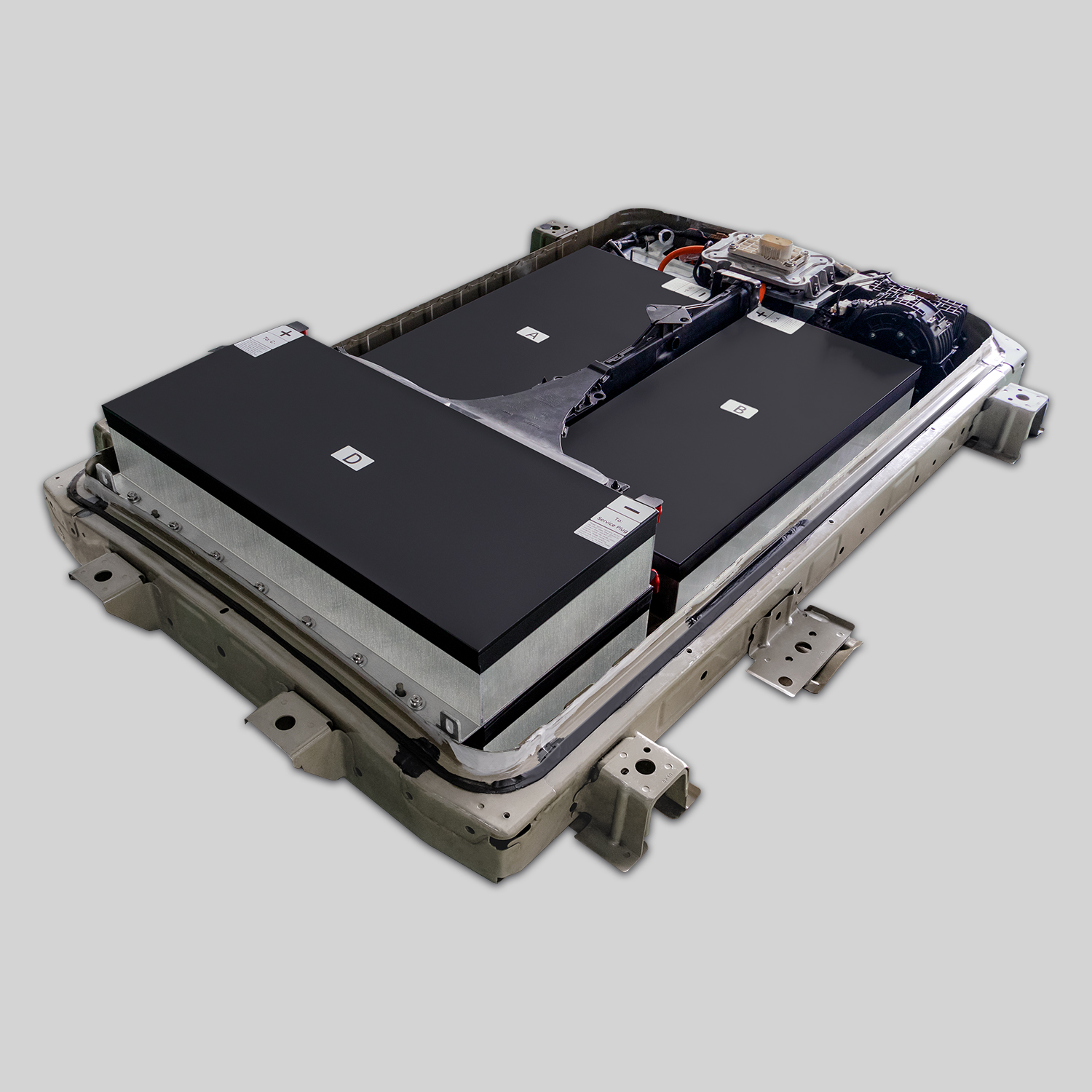
At CNS BATTERY, we specialize in providing high-performance, OEM-compatible lithium-ion battery solutions for the BMW i3. We’ve seen it all—from DIY enthusiasts to seasoned mechanics. To ensure your new battery performs flawlessly, here are the most common pitfalls to avoid during your BMW i3 battery charging setup.
1. Ignoring the Pre-Installation Compatibility Check
One of the biggest mistakes owners make is assuming a “plug-and-play” battery doesn’t require verification.
- The Pitfall: Purchasing a battery pack without confirming the specific voltage requirements and interface matching (such as Type 2 connectors) for your exact BMW i3 model year. The i3 has various iterations (120Ah, 154Ah, etc.), and while our batteries are designed for broad compatibility, skipping the VIN check can lead to mismatches.
- The Solution: Before you even open the hood, utilize a pre-sales consultation. At CNS, we recommend providing your Vehicle Identification Number (VIN) to our technical experts. This free compatibility assessment ensures the battery’s BMS (Battery Management System) protocols are perfectly aligned with your vehicle’s software, preventing charging errors before they start.
2. Skipping the BMS Programming Step
This is arguably the most technical hurdle and the most common reason a new battery fails to charge.
- The Pitfall: Installing the physical battery but neglecting the software handshake. The BMW i3 requires the new battery’s BMS to be programmed to communicate with the car’s existing systems. If this step is skipped, the car often displays a “High Voltage System Fault” or simply refuses to draw power, leaving you stranded with a brand-new battery that won’t accept a charge.
- The Solution: Have the right tools and guidance ready. While this step often requires specific diagnostic equipment, it shouldn’t be a roadblock. If you encounter issues during BMS programming, our technical support team offers remote video guidance. We can walk you through the programming process step-by-step, ensuring the new battery integrates seamlessly with your i3’s electronics.
3. Improper High-Voltage Interlock Loop (HVIL) Connection
Safety is paramount, and the HVIL is the car’s way of ensuring everything is safe before allowing high-voltage flow.
- The Pitfall: Failing to properly connect or bypass the High-Voltage Interlock Loop. The HVIL is a safety circuit that monitors the integrity of the high-voltage system. If the loop isn’t closed correctly during installation, the vehicle’s safety protocols will block the charging process entirely as a protective measure.
- The Solution: Pay close attention to the wiring harness. Ensure all connectors are fully seated and locked. If you are unsure about the HVIL connection, refer to the detailed installation manual that comes with your CNS battery. Our packs are designed with color-coded connectors to minimize wiring errors, but a double-check is always wise.
4. Neglecting the “Rest Period” After Installation
Batteries are complex chemical systems, not just simple capacitors.
- The Pitfall: Attempting to charge the battery immediately at maximum speed or driving off right after installation. Freshly manufactured lithium-ion cells need a moment to stabilize their internal chemistry after the physical stress of installation and the initial voltage connection.
- The Solution: Practice patience. After connecting the new battery, we recommend allowing the system to sit powered “On” (but not charging) for approximately 15-30 minutes. This allows the BMS to balance the cells and perform a full system check. After this rest period, initiate a slow charge initially to let the BMS learn the new pack’s parameters before subjecting it to fast charging or heavy driving.
5. Using Incompatible or Faulty Charging Equipment
Sometimes, the problem isn’t the battery or the car—it’s the middleman.
- The Pitfall: Assuming the charging cable or station is functioning correctly. Using a damaged cable, a poorly rated extension cord, or a home charging unit with outdated firmware can mimic a battery charging failure.
- The Solution: Test the charging infrastructure separately. Before blaming the new battery, try charging with a different known-good cable or at a public charging station. Ensure your home charging setup meets the local voltage standards and that all ground connections are secure.
Why Choose CNS BATTERY for Your BMW i3?
Avoiding these pitfalls is much easier when you have the right partner. At CNS BATTERY, we don’t just sell batteries; we provide a complete powertrain solution backed by over a decade of technological accumulation.
- OEM-Grade Reliability: Our BMW i3 battery packs utilize brand-new, top-tier CATL battery cells. Unlike refurbished or recycled cells that degrade quickly, our new cells offer superior durability, safety, and energy efficiency, ensuring your i3 achieves its maximum driving range.
- Unbeatable Warranty: We stand by our quality. That’s why we offer an industry-leading 2-year / 80,000 km warranty (whichever comes first). This comprehensive coverage protects against defects in materials and workmanship and includes prorated coverage for performance degradation, guaranteeing your battery maintains at least 70% capacity.
- Expert Support: You’re never alone. Our professional customer service team, comprised of automotive battery certification experts, is available via phone, email, or online chat. Whether you need help with BMS programming or just have a question about installation, we resolve most issues within 24 hours.
Conclusion
Upgrading your BMW i3’s battery is an investment in the future of your vehicle. By being aware of these common pitfalls—skipping compatibility checks, BMS programming errors, HVIL issues, skipping the rest period, and faulty charging gear—you can ensure a smooth transition to your new power source.
Don’t let the fear of setup errors hold you back. With CNS BATTERY, you gain access to premium, new-cell technology at a fraction of the cost of original manufacturer prices, all backed by lifetime technical support.
Ready to revive your BMW i3? Get a free custom quote today and experience the CNS difference.
Frequently Asked Questions (FAQ)
Q: How long does the installation take for a CNS BMW i3 battery?
A: For a professional technician, the installation typically takes about 1-2 hours. DIY users may take longer, depending on experience. We provide step-by-step installation videos and PDF guides to assist with the process.
Q: Are CNS batteries compatible with all BMW i3 models?
A: Yes, our batteries are designed specifically for broad compatibility with BMW i3 models. However, to ensure perfect voltage and interface matching, we strongly recommend providing your VIN for a free compatibility assessment before purchase.
Q: What payment methods are available?
A: We offer a variety of secure payment options. Contact our customer service team to confirm the best method for your region when signing the contract.
Q: What if I encounter a problem during the setup?
A: Our technical support hotline is available to answer questions regarding battery maintenance, charging optimization, or troubleshooting. If you encounter a BMS programming issue, we can arrange remote video guidance to solve the problem in minutes.
Q: How does the warranty work?
A: We provide a minimum 2-year / 80,000 km warranty covering manufacturing defects. If any problems occur within this period, we offer free replacement or repair.
Q: How can I get a personalized quote?
A: Simply fill out the contact form below, and our dedicated consultant will reach out to you within 3 working days.