The Ultimate Guide to Cheap Leaf Plus EV Batteries for DIY Enthusiasts
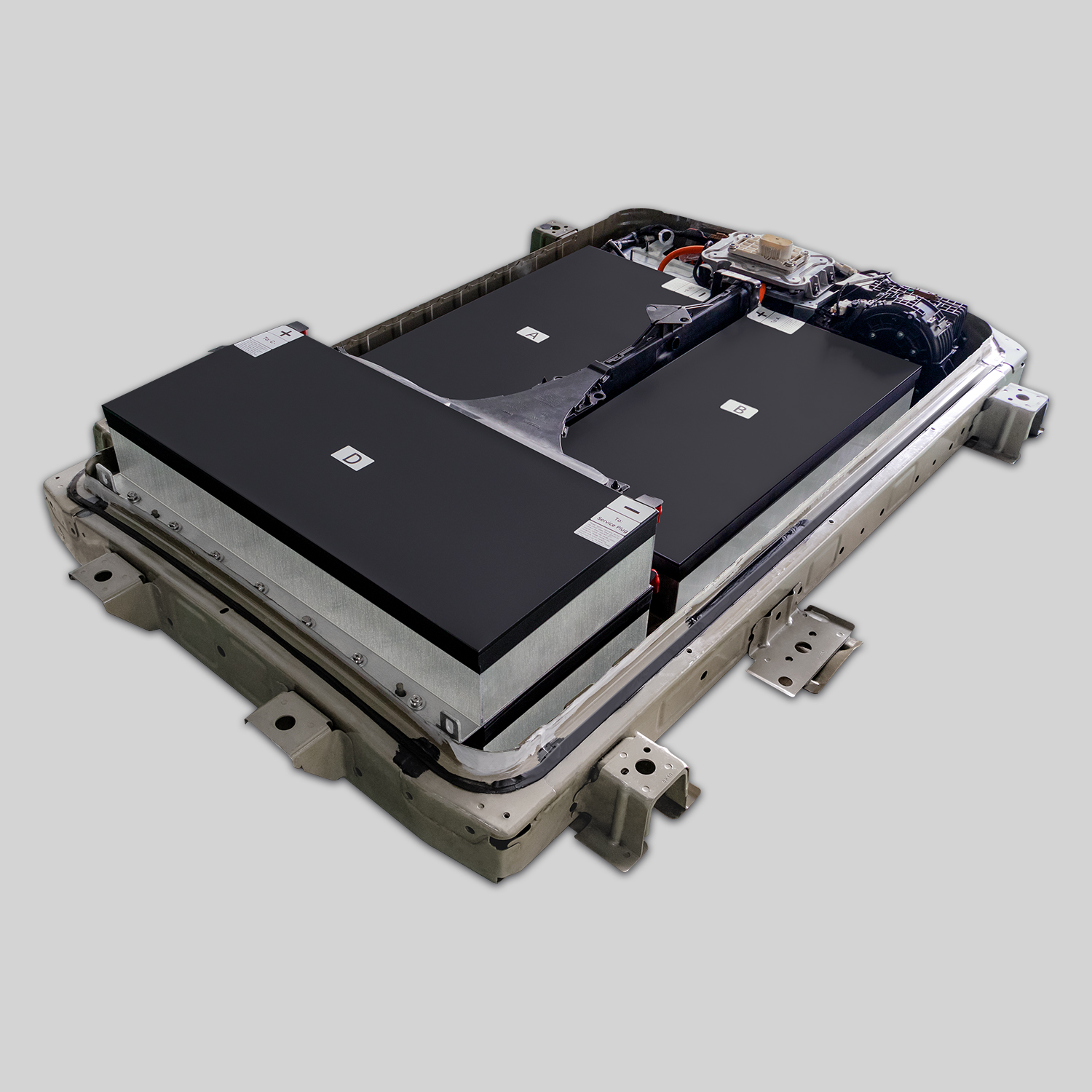
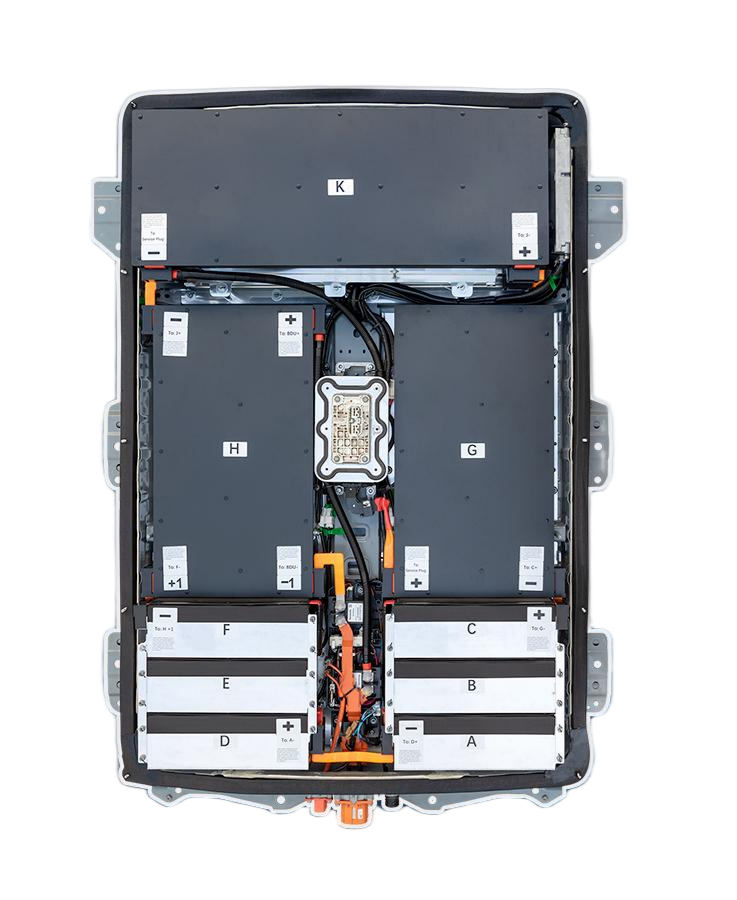
If you are a Nissan Leaf owner looking to upgrade your vehicle’s range without breaking the bank, you have likely come across the term “Leaf Plus EV Battery.” The Nissan Leaf Plus (specifically the SV Plus and SL Plus trims) features a significantly larger 62 kWh battery pack compared to the standard 40 kWh or 30 kWh models. For DIY enthusiasts, sourcing a cheap Leaf Plus EV battery is the holy grail of electric vehicle modifications. It promises the extended range of a brand-new Leaf Plus at a fraction of the cost.
However, the market for aftermarket and replacement EV batteries is complex. While the internet is flooded with claims of “cheap” batteries, the reality is that a low price often comes with hidden risks—such as using recycled or degraded cells, poor Battery Management Systems (BMS), or lack of compatibility. As a specialist in Nissan and BMW electric powertrains, CNS Battery understands that “cheap” should not mean “unsafe” or “unreliable.” This guide is designed for the savvy DIYer who wants to know how to find a genuinely affordable, brand-new Leaf Plus upgrade that prioritizes safety and longevity.
Why Upgrade to a Leaf Plus (62 kWh) Battery?
Before diving into the “cheap” aspect, let us establish why the Leaf Plus battery is such a coveted upgrade. The standard Nissan Leaf (ZE0, AZE0, ZE1) is limited by its smaller battery capacity. An upgrade to the 62 kWh configuration (found in the Leaf Plus) can nearly double your driving range.
For instance, a 2015 Nissan Leaf ZE0 owner shared their experience after upgrading with a CNS Battery solution: “The original battery in my car lasted 8 years, but the range had dropped to only 120km. Replacing it with an original manufacturer battery would cost $16,000… I chose a 62kWh battery from CNS, which cost only $7,800… Now, the full charge range is 430km.”
This testimonial highlights the core motivation for most DIY enthusiasts: value. You are not just buying a battery; you are reviving an older vehicle to perform like a new one. The challenge lies in finding a supplier that offers this 62 kWh capacity at a price point that makes the DIY project financially viable, without compromising on the quality of the cells.
The Hidden Costs of “Cheap” Batteries
When searching for a “cheap Leaf Plus EV battery,” it is crucial to understand what constitutes a “cheap” price. Many low-cost batteries on the market are actually refurbished units made from used cells. While this might seem like a bargain initially, the long-term costs can be staggering.
- Degraded Performance: Refurbished cells often have a short lifespan. One user mentioned a previous experience: “I tried to save money by replacing my battery with a refurbished one, but it swelled up after only six months, and the range dropped drastically.”
- Safety Risks: Used or mismatched cells can pose serious safety hazards, including thermal runaway.
- Lack of Warranty: Cheap suppliers often offer no warranty or very limited coverage.
A truly “cheap” battery for a DIY enthusiast should be a brand-new unit made with high-quality, new cells (such as those from CATL) at a price that is significantly lower than the Original Equipment Manufacturer (OEM) price. The industry benchmark for a reliable, new aftermarket battery is typically around 50% less than the OEM cost. If a price is significantly lower than this (e.g., 70-80% less), it is almost certainly a refurbished unit, which defeats the purpose of a long-term upgrade.
Finding the Right Supplier: Quality vs. Price
For the DIY community, the ideal supplier strikes a balance between affordability and technical support. You need more than just a box of cells; you need compatibility, documentation, and peace of mind.
1. Cell Quality is Non-Negotiable
The heart of the Leaf Plus battery is the lithium-ion cell. CNS Battery, for example, utilizes brand-new cells from CATL (Contemporary Amperex Technology Co. Limited), one of the world’s largest and most reputable battery manufacturers. Using new cells ensures that your DIY project has a stable and durable lifespan, far exceeding that of refurbished alternatives.
2. OEM Compatibility
A major hurdle for DIY enthusiasts is the fear of incompatibility. A good supplier should offer solutions that are “plug-and-play” for the Nissan Leaf models (ZE0, AZE0, ZE1). This means the battery pack should match the original factory standards for voltage, capacity, and interface. This compatibility ensures that you do not need to modify your vehicle’s wiring or software extensively, saving you time and potential repair costs.
3. Warranty and Support
Since you are doing this yourself, you need to know that help is available if something goes wrong. A robust warranty is a sign of a supplier’s confidence in their “cheap” product. Look for warranties that cover at least 2 years or 80,000 km. Furthermore, technical support is vital. Whether it is through video tutorials or direct customer service, having access to experts ensures that your DIY installation is successful.
The DIY Installation Process
One of the biggest advantages of being a DIY enthusiast is the ability to save on labor costs. Replacing a Nissan Leaf battery is a significant project, but it is manageable with the right resources.
Tools and Preparation
The installation typically takes 1-2 hours. You will need basic tools like wrenches and screwdrivers. Most importantly, you need a safe workspace and proper protective gear.
Step-by-Step Guide
- Disconnect Power: Always start by disconnecting the vehicle’s power to avoid electrical shock.
- Remove Old Battery: This involves removing the mounting brackets and disconnecting the old battery cables. Be cautious of the weight and handling of the old unit.
- Install New Battery: Place the new Leaf Plus battery (62 kWh) into position. The connectors should be color-coded to match the original factory parts, making the wiring straightforward.
- System Integration: Connect the cables and run diagnostics. Some users have reported that the BMS programming was successful on the first try, while others utilized remote video guidance from the supplier’s customer service to ensure a perfect match.
A satisfied customer, Tom H., shared his DIY story: “I used to struggle for ages just to change a car light bulb… Following the video [provided by the supplier], it took me 1 hour to remove the old battery… and another hour to install the new one… I saved a lot of money.”
Why Choose a CNS Battery for Your Leaf Plus Upgrade?
CNS Battery is positioned as a solution for those seeking a cheap Leaf Plus EV battery that does not sacrifice reliability. Here is why this aligns with the needs of a DIY enthusiast:
- Cost Efficiency: By saving over 50% compared to OEM prices, CNS Battery allows you to perform a high-end upgrade (62 kWh) at a mid-range price point.
- Technical Expertise: They specialize in Nissan and BMW models, ensuring that the battery is engineered to the original factory standards. This reduces the risk of “bricking” your car during the DIY process.
- Comprehensive Support: From pre-sale VIN compatibility checks to post-sale technical support, they provide the safety net that DIYers need when working with high-voltage systems.
Conclusion
Finding a cheap Leaf Plus EV battery is not about finding the absolute lowest price; it is about finding the best value. For the DIY enthusiast, this means a brand-new, high-capacity (62 kWh) battery made with top-tier cells, backed by a solid warranty, and available at a price that makes the project worthwhile.
By choosing a supplier like CNS Battery, you are not just buying a component; you are investing in a reliable powertrain solution that can extend the life of your Nissan Leaf for years to come. With the right battery, your DIY upgrade can transform your daily commute, offering the range and performance of a brand-new electric vehicle without the hefty price tag.
Ready to upgrade your Nissan Leaf? Contact our technical experts now for a free quote and compatibility assessment.
Frequently Asked Questions (FAQ)
1. How much does a Leaf Plus (62 kWh) battery cost compared to an OEM replacement?
A genuine OEM 62 kWh battery replacement can cost upwards of $15,000 to $16,000. A high-quality aftermarket solution, like those offered by CNS Battery, typically costs about 50% less (approximately $7,800 to $8,200), making it a much more affordable option for DIY upgrades.
2. Is it difficult to install a Leaf Plus battery myself?
The installation process is designed to be manageable for DIY enthusiasts. It usually takes 1-2 hours. Suppliers often provide detailed video tutorials and step-by-step manuals. While it requires basic mechanical skills and tools, many users report that the plug-and-play connectors and color-coded wiring make the process straightforward. Remote video support is also available if you encounter issues.
3. What is the warranty on a cheap Leaf Plus battery?
A “cheap” battery should not mean a lack of warranty. Reputable suppliers offer a minimum 2-year or 80,000 km warranty on their new battery packs. This covers defects in materials and workmanship, ensuring that if the battery fails due to manufacturing issues, you are covered.
4. Are these batteries compatible with all Nissan Leaf models?
Most aftermarket 62 kWh solutions are compatible with the Leaf ZE0, AZE0, and ZE1 models. However, it is crucial to perform a VIN compatibility check before purchasing. This ensures that the voltage, capacity, and interface match your specific vehicle year and trim.
5. Can I use the original charging port and software with an aftermarket battery?
Yes. High-quality aftermarket batteries are designed to meet OEM standards. This means they are compatible with the original vehicle software and charging ports. In most cases, the BMS (Battery Management System) programming is successful on the first try, or it can be guided remotely by the supplier’s technical team.