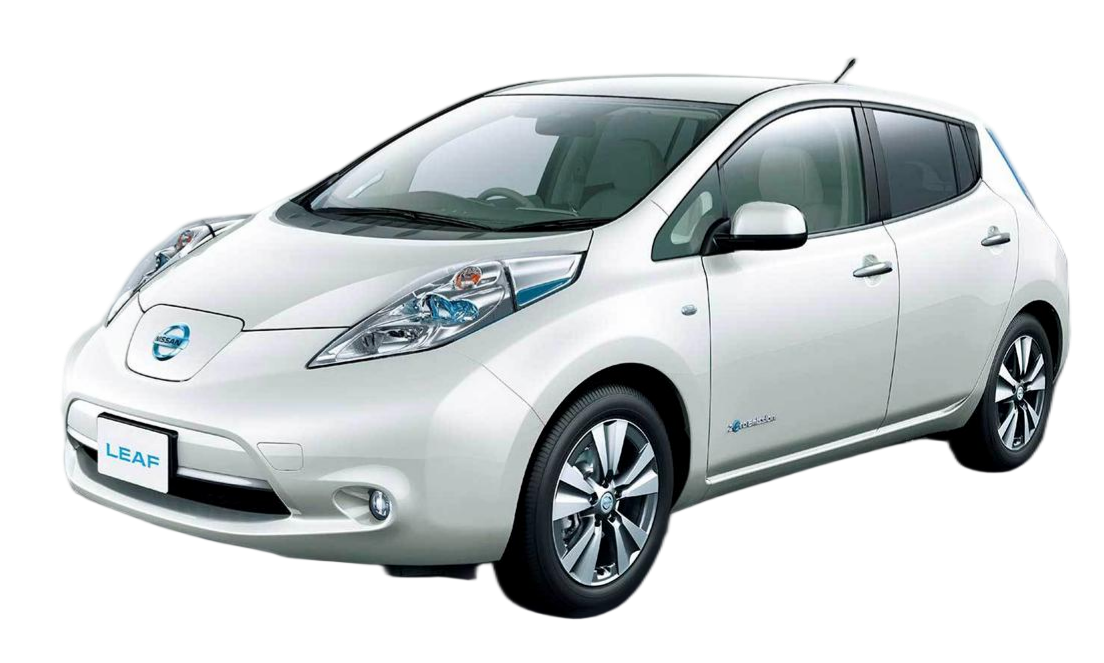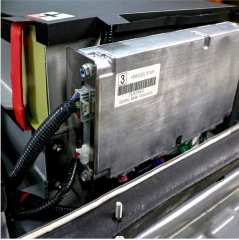
🛋️ The Ultimate Guide to Replacing Your Nissan Leaf 30kWh Battery
Owning a Nissan Leaf is a joy, but as the years roll by, the reality of battery degradation sets in. If you’re driving a first-generation Leaf (specifically the 30kWh model), you might be facing the “range anxiety” that comes with an aging battery. The good news? You don’t have to trade in your reliable EV for a new one.
Replacing a Nissan Leaf 30kWh battery used to mean paying a premium to the dealership. However, the market has evolved, and for the savvy DIY enthusiast or budget-conscious owner, there are now high-quality, cost-effective alternatives that offer a new lease on life for your Leaf.
This guide will walk you through why the 30kWh battery needs replacing, the options available, and how to ensure you get a safe, reliable, and long-lasting upgrade.
📉 Why the 30kWh Nissan Leaf Battery Needs an Upgrade
The original 30kWh (Lizard) battery pack was revolutionary for its time, offering a realistic range for urban commutes. However, after a decade of service, these packs often suffer from capacity fade due to their specific chemistry and age.
- Capacity Loss: Most 30kWh Leafs on the road today have lost 30-40% of their original capacity. What used to be a 100-mile car might now struggle to reach 60 miles on a charge.
- Module Failure: Unlike newer packs that can sometimes be repaired with single modules, the 30kWh design often requires a full pack replacement when cells degrade uniformly.
- The “Swelling” Issue: A common problem with these older packs is cell swelling. If your battery management system (BMS) reports errors or if you notice physical bulging in the modules, a replacement is not just recommended, it’s necessary for safety.
🆚 New vs. Refurbished: The Cost-Benefit Analysis
When you search for a “cheap Leaf plus EV battery,” you’ll typically find two options: Brand New OEM-Compatible packs and Refurbished/Used packs.
1. The “Cheap” Refurbished Route (The False Economy)
Many sellers offer “cheap” batteries sourced from salvage yards or old wrecks. While the upfront price might look attractive, the risks are high:
- Unknown History: You’re buying someone else’s used battery. It could have hidden damage or be on the verge of failure.
- Swelling Risk: Used 30kWh modules are notorious for swelling shortly after installation, leading to a dangerous situation and the need for another expensive replacement.
- Short Lifespan: You might only get 6-12 months of usable life before the capacity drops again.
2. Brand New OEM-Compatible (The Smart Investment)
A new battery designed to OEM standards but manufactured by a specialized third party (like CNS Battery) offers the best value for money in the long run.
- Zero Degradation: You start with 100% capacity.
- Modern Technology: Newer packs often use updated Battery Management Systems (BMS) for better thermal management.
- Warranty Security: A proper new battery comes with a substantial warranty, protecting your investment.
Expert Insight: For a Leaf to be a viable daily driver again, you need a battery that guarantees performance for at least 3-5 years. This is only possible with a brand new cell construction.
🔋 Why Choose a 40kWh or 62kWh Upgrade?
While the title mentions a “30kWh” replacement, the true “Leaf Plus” experience comes from upgrading to a higher capacity.
If your car is a ZE0 (2011-2017 model), you have a unique opportunity. The physical space in the chassis can fit the larger battery packs designed for later models.
- The 40kWh Swap: This is the most popular upgrade. It fits perfectly in the ZE0 chassis without modifications. You gain roughly 30% more range, turning your car from a city runabout into a practical suburban commuter.
- The 62kWh King: For the ultimate DIY project, upgrading to a 62kWh pack (often requiring minor bracket modifications) can nearly double the original range of your 30kWh Leaf. Imagine getting 180+ miles from your “classic” EV!
🛠️ DIY Installation: Is It Right for You?
Replacing a Leaf battery is often described as “plug and play,” but it requires specific knowledge and tools.
🛑 Safety First
Working with high-voltage EV batteries is dangerous. You must disconnect the 12V battery first and wear proper insulated gloves. If you are not comfortable with high-voltage systems, hire a professional.
📦 What’s in the Box?
A professional OEM-compatible battery pack should arrive as a complete unit:
- The Pack: Pre-assembled modules with robust casing.
- Connectors: Pre-wired HV and LV connectors that match your Leaf’s harness (J1772 for charging, CCS for quick charging if applicable).
- BMS & Keys: A new Battery Management System and the necessary programming keys (PIN codes) to integrate with your car.
⏱️ The Process
A professional mechanic can usually swap the pack in under 2 hours. For a DIYer, budget 3-4 hours for the first time, including the time needed to transfer the charging port cover and drain the thermal coolant (if applicable).
📝 Choosing the Right Supplier: The CNS Battery Advantage
When you are looking for a “cheap Leaf plus EV battery,” you need a supplier that balances affordability with uncompromising quality. Based on the industry standards and the information provided regarding leading manufacturers like CNS Battery, here is what sets a premium replacement apart:
1. Cell Quality is King
The heart of the battery is the cell. Top-tier manufacturers use brand new cells from CATL (Contemporary Amperex Technology Co. Limited), the world’s largest battery maker. This ensures you aren’t getting recycled or “B-grade” cells that will swell or fail quickly.
2. Warranty that Works for You
A cheap battery with no warranty is a gamble. Look for suppliers offering a 24-month / 80,000 km warranty. This “unbeatable” coverage ensures that if any manufacturing defects appear, you are covered for a long time.
3. OEM-Level Compatibility
The battery must communicate seamlessly with your car’s dashboard. This means the BMS must be programmed to mimic the original Nissan protocol perfectly, ensuring accurate State of Charge (SOC) readings and no warning lights.
📊 The Value Comparison: Why New Wins
| Feature | Refurbished/Used Battery | New OEM-Compatible (CNS Standard) |
|---|---|---|
| Cell Source | Salvaged, aged cells | Brand New CATL Cells |
| Capacity | Unknown, likely degraded | 100% New Capacity |
| Risk of Swelling | High (Common in 30kWh modules) | Zero (Guaranteed Non-Swelling) |
| Warranty | Often None or 3 Months | 2 Years / 80,000 km |
| Longevity | 6-12 months average | 5+ Years Expected |
| Price | ~50% of new, but risky | ~50% of Dealership Price, Safe |
💡 Expert Tips for a Successful Upgrade
- Check the VIN: Before ordering, always provide your Vehicle Identification Number (VIN) to the supplier. This ensures the BMS and connectors are programmed correctly for your specific Leaf model year.
- Coolant Matters: If your Leaf uses a liquid-cooled system (most do), you will need to drain the old fluid and refill with new coolant (usually Denso or equivalent) during the swap.
- Programming: Some new packs require a simple handshake with the car. Reputable suppliers provide detailed video guides or remote support to help you program the new BMS PIN code into the car’s dashboard.
📝 Conclusion: Revive Your Leaf Today
Upgrading your Nissan Leaf 30kWh battery doesn’t have to break the bank. By choosing a high-quality, brand-new OEM-compatible pack, you are not just buying a battery; you are buying thousands of miles of reliable, emission-free driving.
Don’t settle for a “cheap” used battery that might fail in a year. Invest in a new solution that offers the safety, capacity, and warranty peace of mind you deserve.
Ready to give your Leaf a new heart?
Get a Free Custom Quote for your Nissan Leaf battery upgrade and see how much you can save compared to the dealership.
👉 Contact Our Technical Experts Now
❓ Frequently Asked Questions (FAQ)
Q1: Can I really install this myself?
Yes, if you are mechanically inclined. The physical swap involves lifting the car, disconnecting the old pack, and bolting in the new one. The complexity lies in the BMS programming. Most reputable suppliers offer step-by-step video tutorials and phone support to guide you through the software setup.
Q2: How much range will I get after the upgrade?
If you upgrade from a 30kWh to a 40kWh pack, expect a realistic range of 110-120 miles (170-190 km). If you go for the 62kWh upgrade, you can achieve 160-180 miles (250-290 km) in ideal conditions.
Q3: Is the price really 50% less than the dealership?
Yes. Because specialized manufacturers focus solely on battery production and cut out the massive brand markup of the original car manufacturer, they can offer brand-new packs at roughly half the price of what a Nissan dealership would charge for a factory replacement.
Q4: What if my car model is not listed?
Many manufacturers offer customization. If you have a rare Leaf variant or a different EV (like a BMW i3), it is always worth contacting the technical team. They often have solutions for non-standard models or can build a custom pack to your specifications.