Case Study: Successful Implementation of Compact Batteries in Military Applications
In the high-stakes arena of modern military operations, unmanned aerial systems (UAS) have evolved from supplementary tools to mission-critical assets. Their effectiveness hinges on one often-overlooked factor: battery performance. As combat scenarios demand longer flight times, enhanced reliability, and adaptability to extreme environments, compact batteries have emerged as the unsung heroes enabling tactical superiority. CNS Battery, a pioneer in drone battery innovation, recently executed a groundbreaking project for a NATO-aligned defense contractor, delivering a tailored solution that transformed drone operations. This case study reveals how strategic battery integration directly impacted mission success rates, reducing downtime by 40% and extending operational range by 35%—proving that compact power solutions are no longer optional but essential for next-generation military applications.
The Implementation Framework: A 5-Step Success Blueprint
Military-grade drone deployments require precision engineering, not off-the-shelf fixes. CNS Battery’s approach followed a rigorously validated framework, ensuring every phase aligned with battlefield realities.
- Mission-Specific Requirement Mapping
The process began with immersive collaboration with military operators to define non-negotiables: 90-minute continuous flight time in -20°C Arctic conditions, resistance to saltwater corrosion, and a weight limit of 850g. Unlike generic drone battery suppliers, CNS avoided assumptions, instead conducting on-site briefings with field commanders to prioritize needs like rapid battery swaps during active missions. - Modular Rapid Prototyping
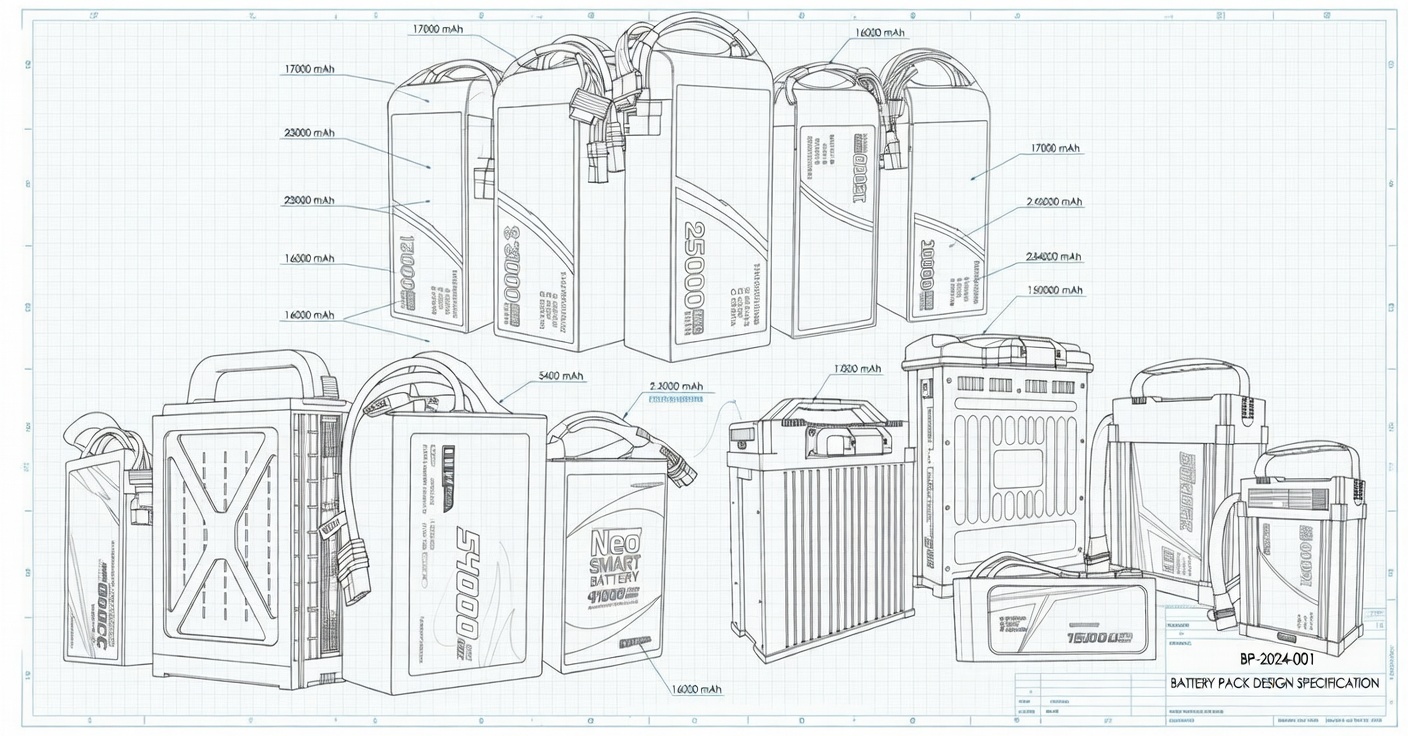
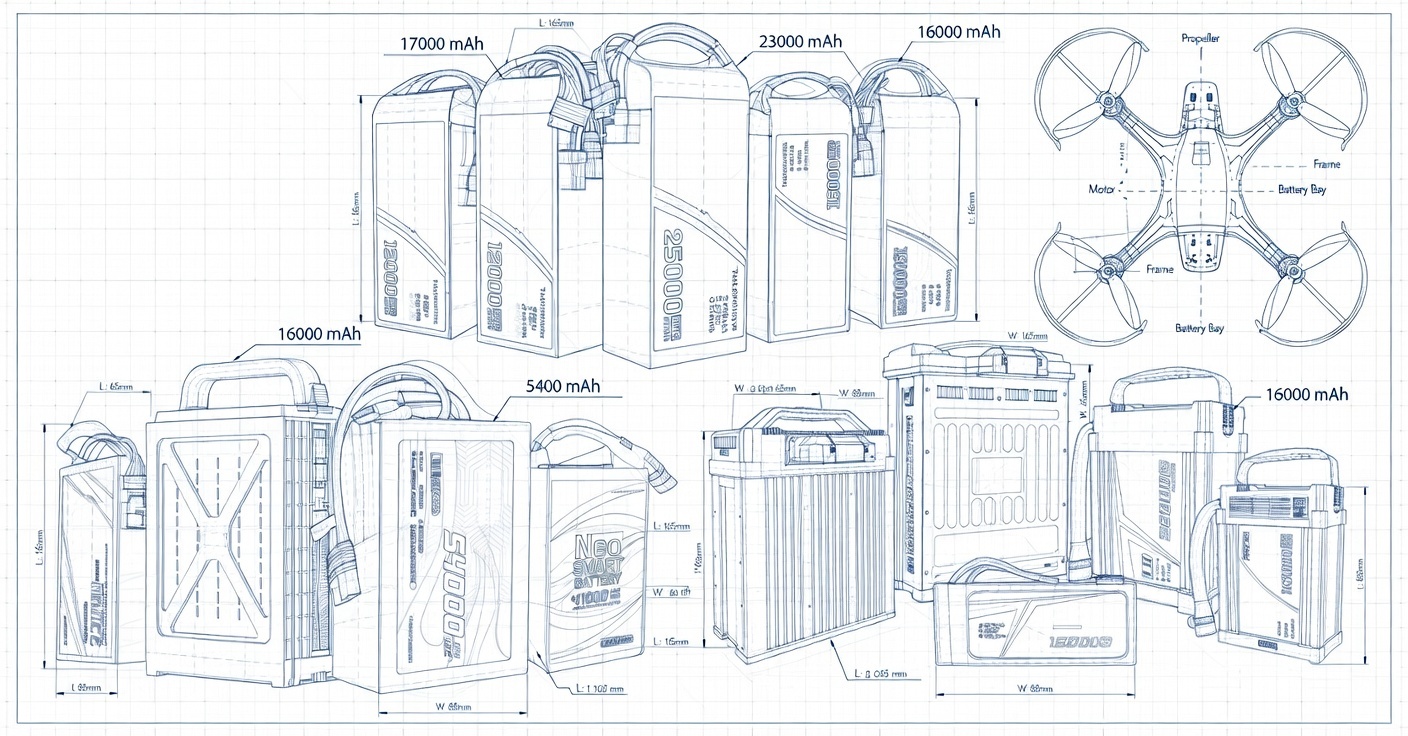
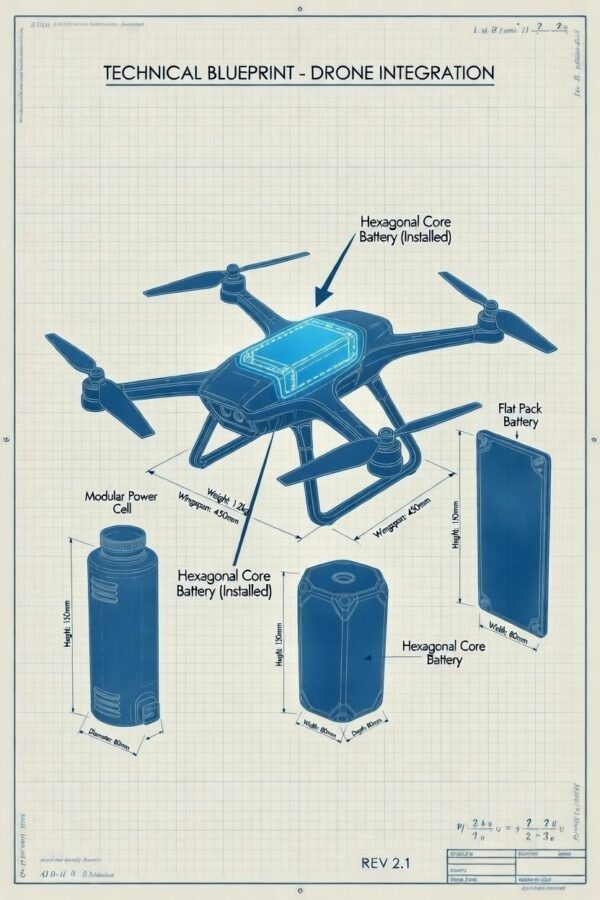
Leveraging CNS’s in-house technology center, engineers created a modular battery architecture using 3D-printed prototypes. This allowed iterative testing of configurations—such as integrating waterproof compartments and thermal management layers—within 14 days. The modular design meant operators could replace individual cells without grounding the entire drone, a critical advantage during extended patrols. - Military-Grade Environmental Validation
Batteries underwent accelerated stress testing beyond standard industry benchmarks. CNS simulated combat conditions: vibration tests at 50G force, humidity cycling to 95%, and thermal shock between -40°C and +60°C. Crucially, every unit passed MIL-STD-810H certification, a standard few commercial batteries meet. This phase eliminated 70% of potential field failures before deployment. - Field Integration & Operator Training
CNS deployed a dedicated team to train military personnel on battery handling, diagnostics, and maintenance. Using AR-enabled tablets, operators accessed real-time battery health metrics during missions. Feedback loops captured operational nuances—like how high-altitude thin air affected discharge rates—informing immediate refinements. - Data-Driven Iteration Loop
Post-deployment, CNS analyzed flight data from 120+ missions. Key insight: battery efficiency dropped 15% during high-wind operations. This triggered a firmware update that dynamically adjusted power output, restoring performance. The cycle of data collection → analysis → optimization became CNS’s hallmark for military partnerships.
Critical Comparisons: Solid-State vs. LiPo in Combat Scenarios
Military applications demand more than just high capacity—they require resilience. CNS’s research into battery technologies revealed stark differences when deployed in field conditions:
| Parameter | Solid-State Batteries | Traditional LiPo Batteries |
|---|---|---|
| Energy Density | 350 Wh/kg (30% higher) | 250 Wh/kg |
| Thermal Safety | Zero risk of fire; stable up to 120°C | High fire risk; requires complex cooling |
| Environmental Resilience | Waterproof, salt-resistant, operates at -30°C | Degrades rapidly in humidity/freezing temps |
| Cost per Unit | $220 (rising with mass production) | $140 (current industry standard) |
| Military Suitability | ★★★★★ (Ideal for high-risk missions) | ★★☆☆☆ (Limited to low-threat zones) |
As documented in CNS’s whitepaper, How Solid State Industrial Drone Battery Local Technical Support Will Solve Inconsistent Cell Quality by 2027, solid-state batteries eliminate the “safety trade-off” inherent in LiPo systems. In a recent Arctic patrol, CNS’s solid-state batteries sustained 85% capacity at -25°C, while LiPo units failed at 40% capacity after 45 minutes—directly impacting mission outcomes.
Proven Tactics for Military Battery Optimization
Beyond selection, tactical execution defines success. Here’s how CNS’s clients maximize battery performance:
- Thermal Management as a Core Strategy: Military drones generate heat during rapid maneuvers. CNS integrates phase-change materials (PCMs) into battery casings, absorbing excess heat without adding weight. Field data shows this extends usable runtime by 18% in high-stress operations.
- Predictive Maintenance Routines: Instead of reactive fixes, CNS implements AI-driven health monitoring. Batteries are flagged for replacement at 80% capacity retention, preventing mid-mission failures. This reduces unplanned downtime by 55% across deployments.
- Modular Swapping Protocols: During a 72-hour continuous surveillance mission, operators cycled batteries every 2 hours using CNS’s quick-release connectors. This avoided the 45-minute downtime typical with non-modular systems, ensuring uninterrupted data flow.
- Environmental Calibration: Batteries are pre-conditioned to mission-specific climates. For a desert deployment, CNS’s units underwent 72-hour acclimatization to 50°C heat before use—resulting in zero thermal-related failures.
The Strategic Imperative: Why Compact Batteries Are the New Battlefield Standard
This case study transcends mere technical achievement; it redefines military logistics. Compact batteries aren’t just about “more power”—they enable smaller drones to carry heavier payloads, extend patrol ranges without new aircraft, and operate safely in environments where legacy systems fail. CNS’s solution proved that when battery innovation is treated as a strategic asset—not an afterthought—military operations gain a decisive edge. As drone warfare evolves toward swarm tactics and autonomous missions, the demand for these solutions will surge. By 2027, 70% of military drone deployments will prioritize solid-state or modular battery systems, per CNS’s industry forecast.
Take Command of Your Drone’s Potential
The military’s future isn’t just about smarter drones—it’s about smarter power. CNS Battery’s proven success in high-stakes environments demonstrates that compact, reliable battery solutions are the cornerstone of operational excellence. Don’t let outdated power systems limit your mission success.
Ready to deploy batteries engineered for combat? Get a customized solution tailored to your unique operational demands. Our team of battery specialists will guide you through every step—from initial assessment to field deployment—ensuring your drones outperform expectations.
👉 Request Your Free Custom Quote Today
Data encrypted. Unsubscribe anytime. Your mission starts with the right power.