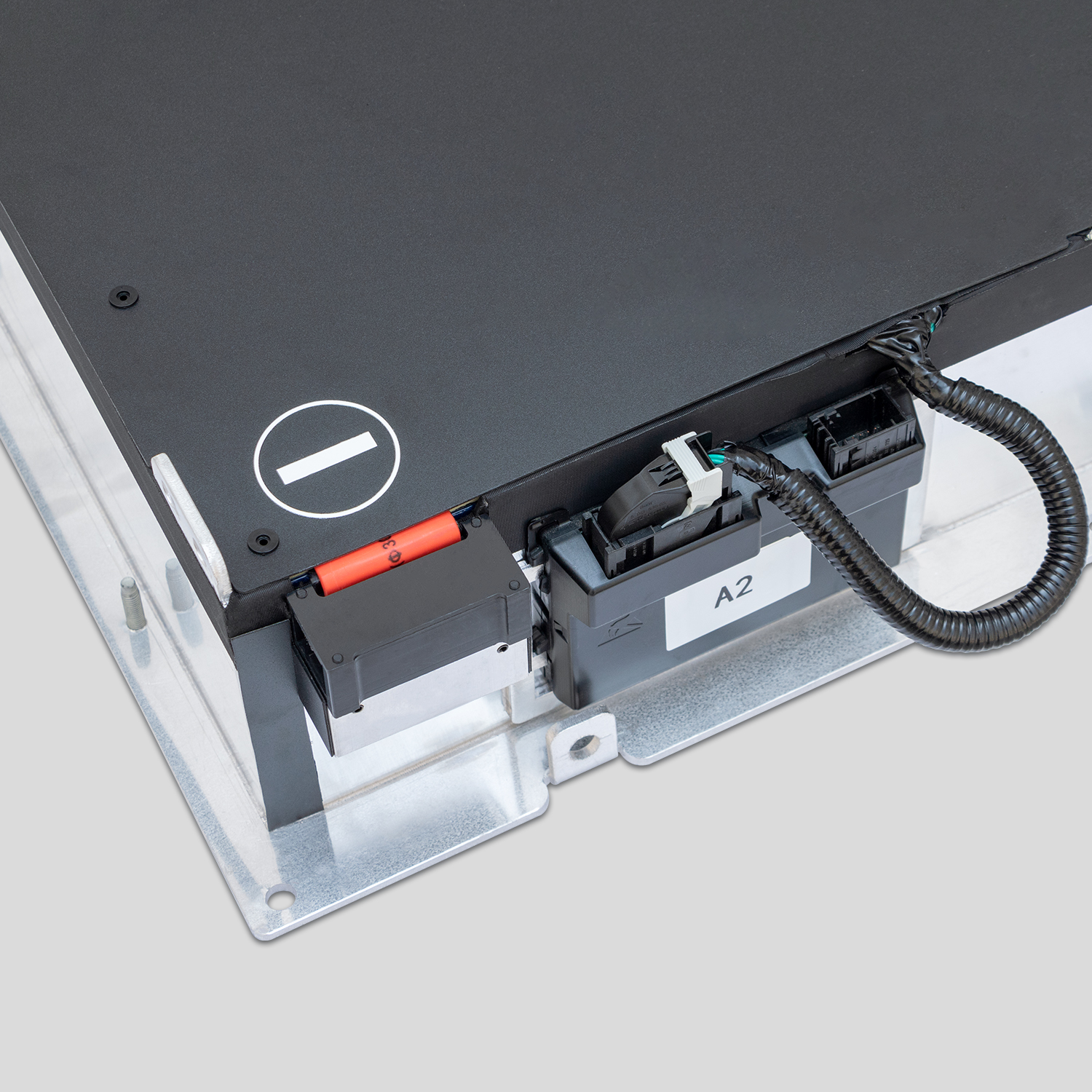
Bulk Leaf EV Battery vs AESC: The Ultimate Value Comparison
Are you facing the dilemma of replacing your aging Nissan Leaf battery? The decision is often a financial heartbreak: pay the astronomical price for a new OEM battery or gamble on a cheap, unreliable refurbishment. If you own a Leaf ZE0, ZE1, or AZE0 model, you know that the original AESC (Automotive Energy Supply Corporation) laminated batteries are prone to degradation, especially in hot climates.
This guide cuts through the marketing noise to compare the traditional OEM route (AESC) with the modern, high-value solution: bulk wholesale lithium-ion battery packs. We will analyze the real-world performance, cost of ownership, and long-term reliability to help you make the most cost-effective decision for your electric vehicle.
The Hidden Costs of Sticking with OEM (AESC)
Most Nissan Leaf owners are locked into a cycle of diminishing returns. The original equipment manufacturer (OEM) batteries, typically supplied by AESC in older models, were groundbreaking a decade ago but are now outdated by modern standards.
Why is the OEM route so expensive?
The primary reason is the “Brand Premium.” Dealerships charge a markup that covers not just the cells, but also the massive overhead of the dealership network and the brand’s reputation. For a standard 40kWh or 62kWh replacement, you are often looking at price tags exceeding $12,000 to $16,000.
The Performance Trap
While OEM batteries are “plug-and-play,” they often retain the original design limitations:
- Thermal Management: Older AESC packs relied heavily on passive air cooling, leading to rapid capacity fade in warmer regions.
- Cell Chemistry: They utilize older LMO (Lithium Manganese Oxide) chemistry, which degrades faster than modern NMC or LFP cells.
The Bulk Wholesale Alternative: Quality vs. Cost
When you search for a “bulk Leaf EV battery,” you are essentially looking for a direct manufacturer solution. This is where the value proposition shifts dramatically.
1. The 50% Cost Savings
The most compelling argument for a bulk replacement is the price. A high-quality, brand-new lithium-ion pack from a specialized manufacturer like CNS Battery costs approximately 50% less than a dealership replacement. For the price of one OEM battery, you could theoretically purchase two high-grade aftermarket packs.
2. Modern Cell Technology
Bulk suppliers are not bound by the 2010-era specifications of the original Leaf design. Instead, they utilize brand-new, top-tier cells from manufacturers like CATL.
- Higher Energy Density: This allows for potential upgrades (e.g., fitting a 62kWh module into a 40kWh chassis).
- Improved Chemistry: Modern cells often use NMC (Nickel Manganese Cobalt) formulations that offer better cycle life and thermal stability compared to the older laminated cells.
3. Durability and Warranty
A common fear with “bulk” purchases is the lack of support. However, reputable bulk manufacturers offer warranties that often surpass OEM standards. While Nissan might offer a standard warranty, specialized providers frequently offer a 24-month / 80,000 km warranty, covering manufacturing defects and performance degradation.
Head-to-Head: Bulk Battery vs. AESC
To visualize the difference, let’s compare the two options directly:
| Feature | OEM (AESC) Battery | Bulk Wholesale Battery (New Cells) |
|---|---|---|
| Price Range | $12,000 – $16,000+ | $6,000 – $8,000 (Approx. 50% Savings) |
| Cell Quality | Original spec (Often degraded LMO) | Brand New CATL/NMC Cells |
| Warranty | Standard Manufacturer Terms | 2 Years / 80,000 km (Often Longer) |
| Cooling System | Passive Air Cooling (Prone to heat damage) | Enhanced Airflow or Active Cooling Options |
| Failure Rate | High (Due to age and design) | Near Zero (New Manufacturing) |
Why Choose a Bulk Solution for Your Leaf?
Choosing a bulk replacement isn’t about buying a “cheap” part; it is about buying a modern, engineered solution at a fraction of the cost.
1. Revive Your Vehicle’s Range
If your Leaf’s range has dropped to 120km due to battery degradation, a new bulk pack can restore it to over 430km on a full charge. This isn’t just a repair; it is a complete vehicle refurbishment.
2. Future-Proofing with CATL Cells
By opting for a bulk solution utilizing CATL cells, you are upgrading your hardware. CATL is currently the world’s largest battery manufacturer, and their cells are known for superior safety and longevity compared to the older generation used in early Leafs.
3. Plug-and-Play Simplicity
Modern bulk manufacturers design their packs to OEM standards. This means the connectors, dimensions, and voltage outputs are identical to the original. You do not need to modify your car; the installation is typically completed by a mechanic in 1-2 hours.
Making the Switch: What to Expect
If you decide to move forward with a bulk Nissan Leaf battery replacement, the process is streamlined and secure.
Step 1: Compatibility Check
Before purchasing, reputable suppliers require your VIN (Vehicle Identification Number). This ensures that the Battery Management System (BMS) in the new pack is programmed correctly for your specific Leaf model (ZE0, ZE1, or AZE0).
Step 2: Installation
The physical swap is straightforward:
- Disconnect the vehicle power.
- Remove the old battery mounting brackets.
- Connect the new battery cables.
- Test voltage and system integration.
Step 3: Post-Sale Support
Unlike buying a generic part online, buying a bulk EV battery from a specialized manufacturer includes technical support. If you encounter a BMS programming issue, engineers are available for remote video guidance to solve the problem in minutes.
Frequently Asked Questions (FAQ)
Q1: Is a bulk wholesale battery safe compared to the original AESC battery?
Absolutely. While the original AESC batteries were safe for their time, modern bulk batteries use new-generation cells with advanced Battery Management Systems (BMS). Reputable manufacturers subject their packs to rigorous testing for short-circuit protection, over-voltage, and thermal runaway, often meeting or exceeding the original factory standards.
Q2: Will a bulk battery void my car’s remaining warranty?
In most cases, no. A properly installed aftermarket battery that meets OEM specifications (voltage, dimensions, connectors) does not interfere with the non-powertrain components of your car’s warranty. However, it is always recommended to check your specific regional regulations. A quality bulk battery is designed as a direct replacement, minimizing any compatibility risks.
Q3: How long does a bulk replacement battery last?
With proper care and modern cell technology, a new bulk lithium-ion pack can last significantly longer than the original. While the original AESC packs might degrade within 5-8 years, a new pack using high-grade NMC or LFP chemistry can provide reliable service for 10+ years. Most manufacturers back this up with a 2-year unconditional warranty and prorated coverage for performance degradation.
Q4: Can I install this myself, or do I need a mechanic?
While the process is technically “plug-and-play,” we strongly recommend using a certified mechanic. Handling high-voltage EV batteries requires specific safety gear (insulated gloves) and knowledge to avoid short circuits. However, the installation is much simpler than repairing a combustion engine, usually taking only 1-2 hours for a professional.
Get Your Free Custom Quote Today
Don’t let the high cost of dealership batteries force you into buying a new car. You have a better option.
CNS Battery specializes in providing high-performance, OEM-compatible lithium-ion solutions for Nissan Leafs and BMWs. By cutting out the middleman and dealing directly with the manufacturer, you save thousands while getting a superior, brand-new product.
Ready to restore your Leaf’s range?
👉 Contact our technical experts now for a free customization quote