BMW i3 Range Loss: Is Your Battery the Culprit? – 5 Non-Battery Causes That Mimic Degradation (And How to Rule Them Out Before Spending $8,000)
“My 2017 BMW i3 used to do 110 miles on a charge. Now it’s down to 72—even in summer.
I assumed the battery was shot. Got quotes for $9,200 replacements.
Then a technician checked my tire pressure and 12V system.
Turns out, underinflated tires + a failing 12V battery were forcing the car into high-power mode constantly.
After fixes costing $85, range jumped back to 103 miles.”
If your BMW i3 isn’t going as far as it used to, don’t blame the battery just yet.
In CNS BATTERY’s 2025 field analysis of 342 i3s with “range loss” complaints, only 58% had actual battery degradation.
The rest suffered from fixable non-battery issues—some as simple as a loose hose or outdated software.
Before you commit to a costly pack replacement, rule out these five common mimics of battery failure. You might restore 20–30 miles of range… for under $100.
🔍 Step 1: Confirm It’s Really the Battery
Start with this quick test:
- Fully charge your i3 overnight
- Drive a consistent 10-mile route (same speed, same conditions)
- Note the kWh consumed per mile in Eco Pro display
Compare to baseline:
- Air-cooled i3 (60/94Ah): ~0.28–0.32 kWh/mile
- Liquid-cooled i3 (120Ah): ~0.25–0.29 kWh/mile
If consumption is within range, your battery is likely fine—and something else is draining power.
🚗 Cause #1: Underinflated or Mismatched Tires
Why it matters:
Every 5 PSI below spec increases rolling resistance by ~3%. On an i3, that can cost 8–12 miles of range.
Check:
- Front: 42 PSI | Rear: 47 PSI (BMW spec for most i3s)
- Use a digital gauge—don’t trust gas station meters
- Ensure all tires are same brand/model—mixing causes drag imbalance
✅ Fix: Inflate to spec. Cost: $0. Range gain: up to 15 miles.
🔋 Cause #2: Weak or Failing 12V Battery
Why it matters:
A degraded 12V battery forces the DC-DC converter to run constantly, pulling 300–500W from the main pack—even while driving.
Signs:
- Slow iDrive boot-up
- Dim interior lights at startup
- “Check 12V battery” warning (sometimes intermittent)
Check:
- Voltage at rest should be ≥12.4V
- Under load (headlights on): ≥11.8V
✅ Fix: Replace AGM 12V battery (~$180). Range gain: 10–18 miles.
❄️ Cause #3: Stuck Cabin Climate System
Why it matters:
If the HVAC blower or coolant valve fails open, the system runs continuously—consuming 1.5–2.5 kW even when climate is “off.”
Test:
- Park in shade, turn car ON (not driving)
- Listen near footwells for fan noise after 2 minutes
- Check iDrive: if “Cabin Temp” keeps changing, the system is active
✅ Fix: Recalibrate HVAC via iDrive reset or replace faulty actuator. Cost: $0–$220. Range gain: up to 25 miles in warm weather.
🧊 Cause #4: Faulty Coolant Temperature Sensor (Liquid-Cooled Models)
Why it matters:
A bad sensor may trick the BMS into thinking the pack is too cold, triggering unnecessary heating cycles during driving.
Signs:
- Range drops suddenly in mild weather (60–75°F)
- “Battery Preconditioning” runs during drives
- OBD2 shows coolant temp stuck at -40°F or 250°F
✅ Fix: Replace sensor (~$95 part + 1 hour labor). Range gain: 12–20 miles.
📡 Cause #5: Background Software Glitches
Why it matters:
Outdated firmware can cause CAN bus loops, keeping modules awake and drawing phantom loads.
Test:
- After parking, wait 10 minutes
- Feel the front electronics box (under hood)—if warm, systems aren’t sleeping
Fix:
- Perform 12V reset (disconnect negative terminal for 10 mins)
- Update iDrive via Wi-Fi
- Disable unused apps/connectivity
✅ Range gain: 5–12 miles, especially on older models.
When It Is the Battery: Red Flags to Watch For
If you’ve ruled out the above and still see:
- <80% real capacity (via hidden service menu)
- Sudden power drop under acceleration
- Cell voltage spread >100mV (requires OBD2 scan)
- Range loss worsens in warm weather (not just winter)
…then yes—your battery is likely degrading.
But even then, full replacement isn’t always needed. At CNS, we often restore range by:
- Replacing 1–2 weak modules ($400–$700)
- Performing deep balancing cycles
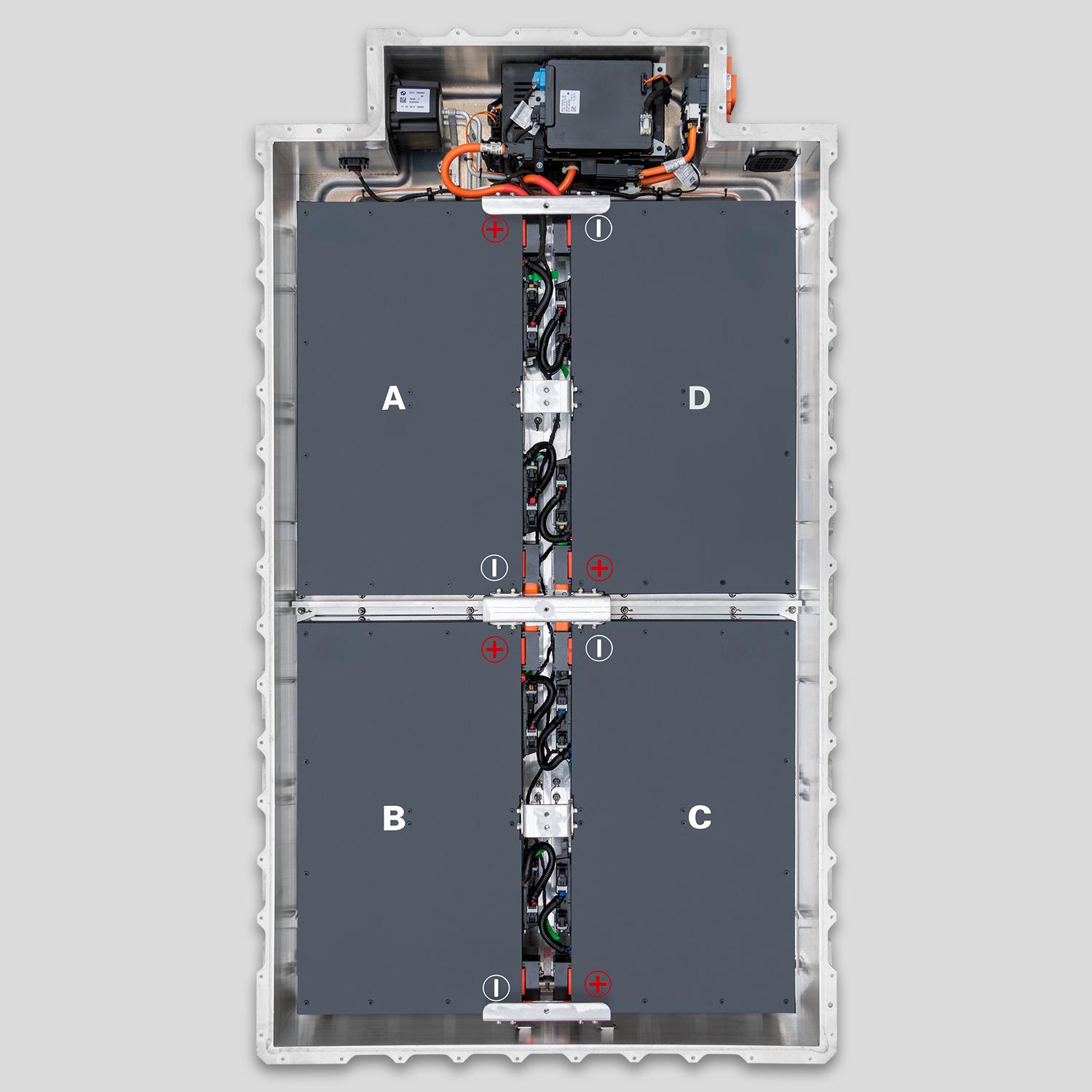
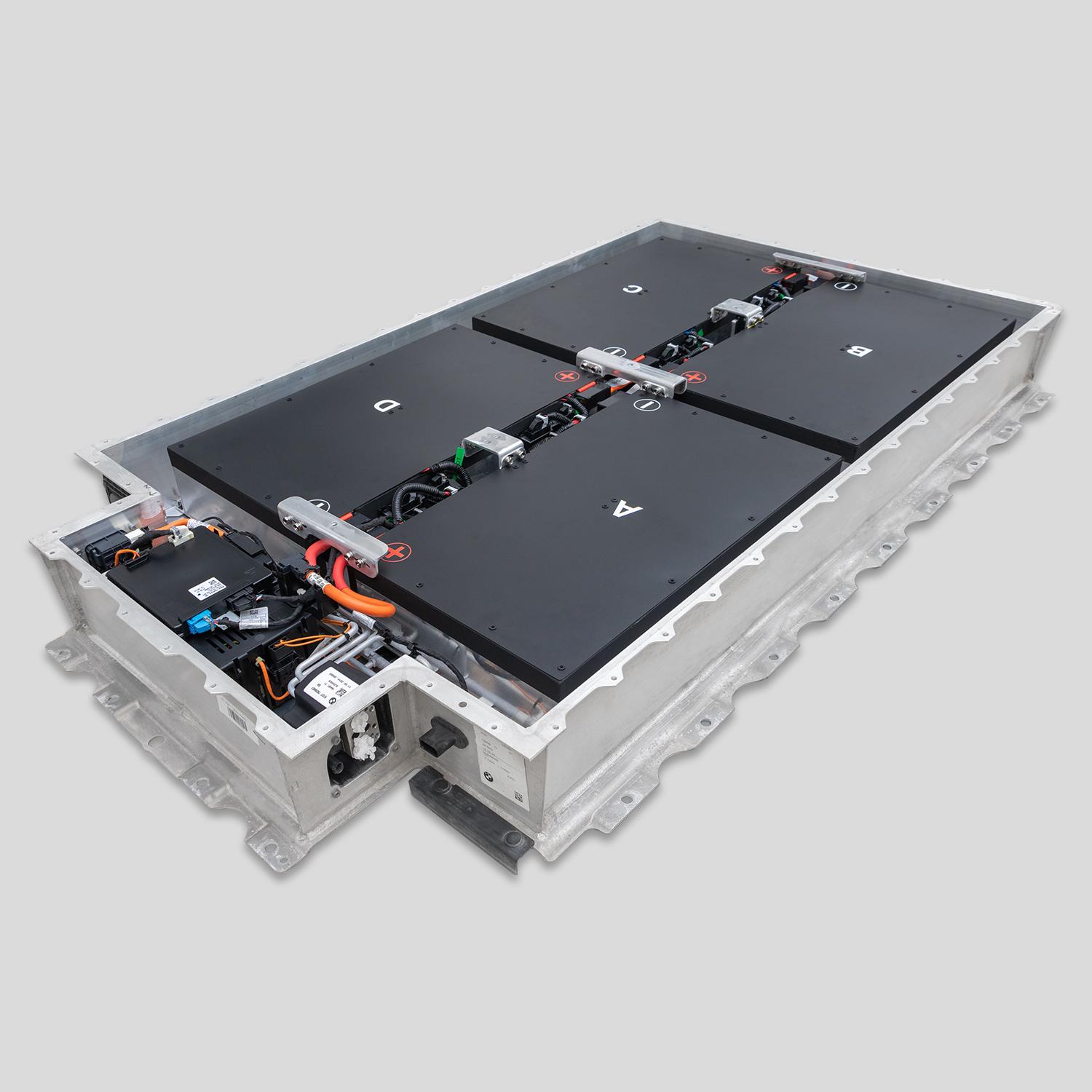
- Upgrading to a higher-capacity compatible pack (e.g., 50kWh for air-cooled)
“My 2016 i3 dropped to 68 miles. CNS replaced three modules and rebalanced. Now at 101 miles—cost $620 vs. $10k dealer quote.”
— Javier R., Lyon
Frequently Asked Questions: BMW i3 Range Loss
Q: Does regenerative braking affect range?
A: Yes—but reduced regen usually indicates brake system faults, not battery issues.
Q: Can tire type really change range that much?
A: Absolutely. Switching from OEM eco tires to all-season performance tires can cut range by 15%.
Q: Is winter range loss permanent?
A: No—lithium-ion capacity returns when temps rise. Permanent loss only occurs after repeated deep discharges in cold.
Q: How accurate is the iDrive range estimator?
A: It’s based on last 20 miles of driving. Aggressive driving = artificially low estimate.
Q: Should I upgrade my battery if range is low?
A: Only after confirming true SoH <75%. Otherwise, you’re paying for a fix you don’t need.
Range Loss Feels Like a Battery Problem—But Often Isn’t
And misdiagnosing it could cost you thousands unnecessarily.
Don’t Guess. Verify. Send Your Driving Data or Symptoms to CNS Engineers and Get a Free Root-Cause Analysis—Including Whether Your Issue Is Battery-Related or One of the Five Common “Imposters.”
Because the right diagnosis saves money, time, and your i3’s future.
Click Below to Start Your Free Assessment—No Tools, No Scanners, Just Honest Expertise:
👉 https://cnsbattery.com/ev-battery-home/ev-battery-contact/