BMW i3 High Voltage Fuse Testing: Professional Tools – The $50 Check That Prevents a $15,000 Mistake
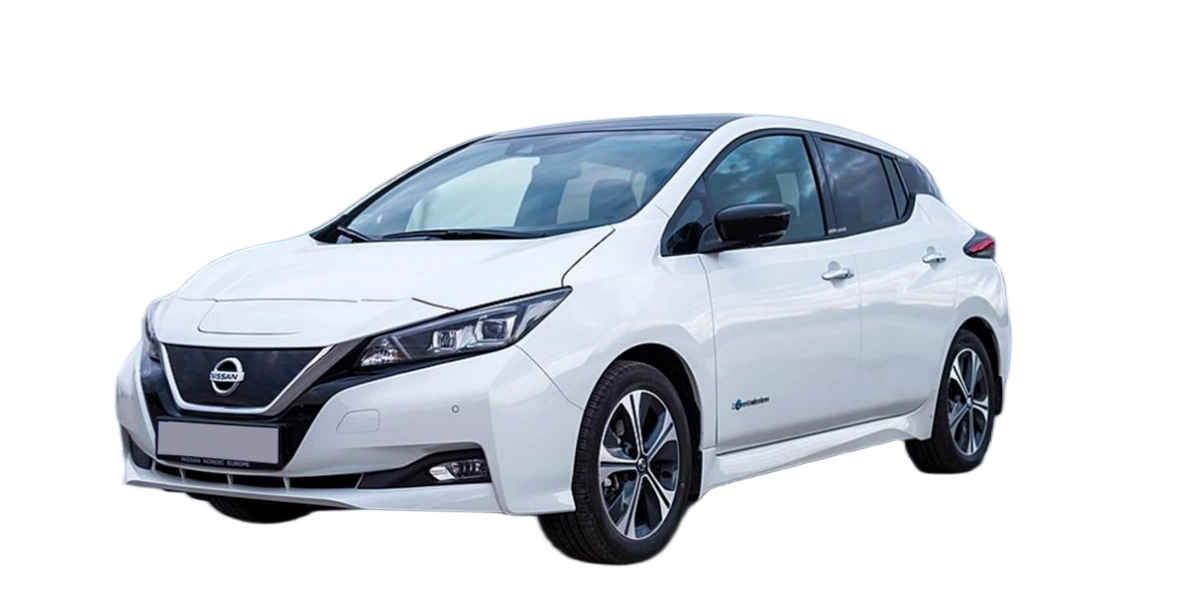
A 2015 BMW i3 is towed into your shop, completely dead. The customer is frantic: “It was fine yesterday. Today, nothing works. No ‘Ready’ light, no charging, just black screens. A friend said it might be a blown fuse. Can you check it? If it’s just a fuse, maybe it’s a $200 fix?”
As a professional EV technician in 2026, you know that while a blown High Voltage (HV) fuse is a possible culprit, it is rarely the root cause. In the world of 400-volt systems, fuses do not blow spontaneously due to age; they blow because of a catastrophic event—a massive short circuit, a contactor weld, or an internal battery failure.
Simply swapping a fuse without identifying why it blew is a dangerous gamble. If you install a new fuse on a system with an active short, you risk an explosive arc flash, severe equipment damage, and potential injury. Conversely, misdiagnosing a dead battery pack as a “simple fuse issue” leads to wasted labor and angry customers when the new fuse blows instantly.
What specific tools are required to safely test a 400V HV fuse?
Why does a blown fuse almost always indicate a deeper, more expensive problem?
And when your testing reveals the fuse blew due to internal cell failure, how do you pivot from a $50 part swap to a high-margin, life-saving battery upgrade?
At CNS BATTERY, we prioritize safety and accurate diagnostics above all else. We know that proper fuse testing is the gateway to understanding the true health of the vehicle. This guide details the professional tools and protocols for testing BMW i3 HV fuses, explains the critical link between fuse failure and battery health, and reveals why replacing the entire system is often the only ethical solution.
The Danger Zone: Why You Can’t Just “Check” It Like a Car Fuse
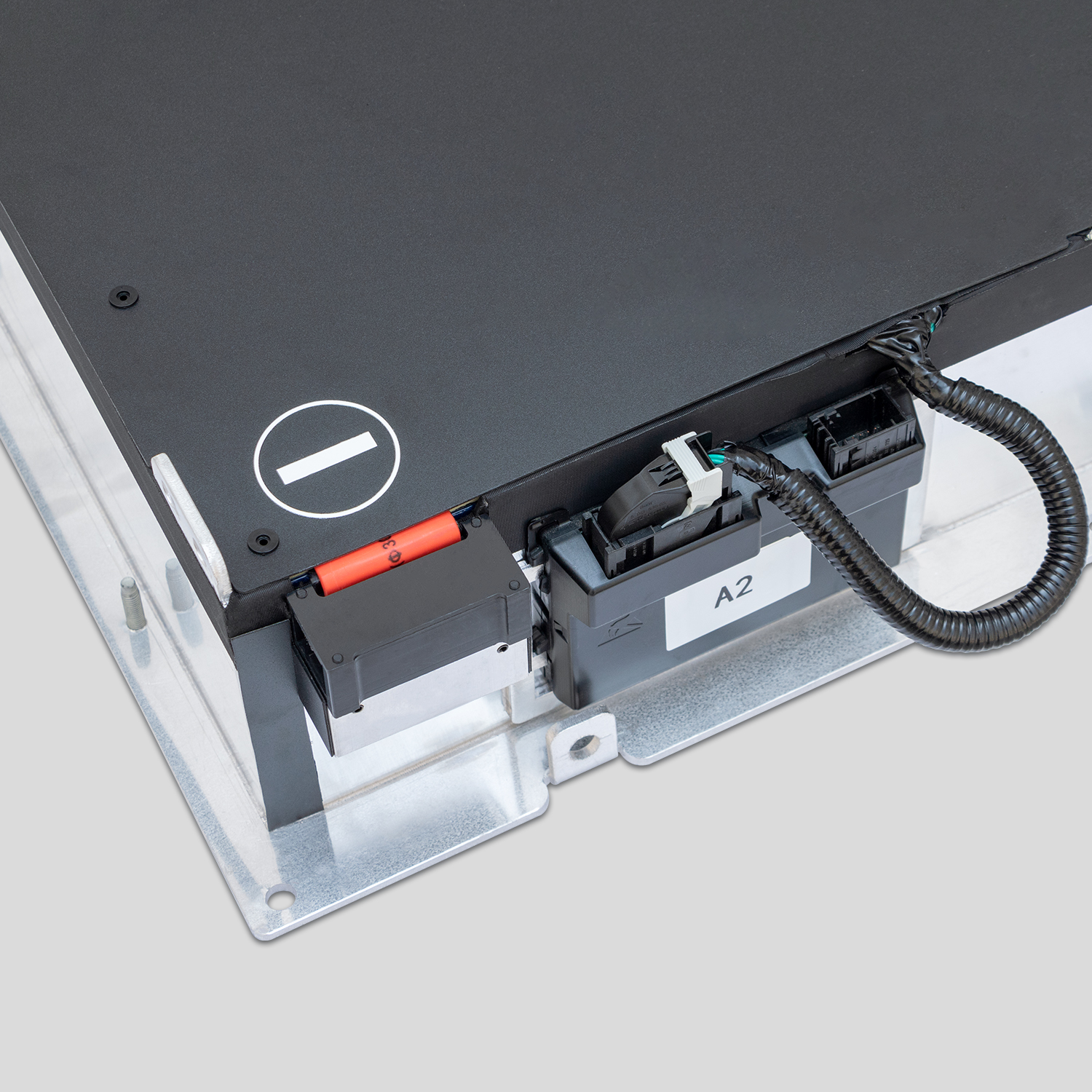
In a gasoline car, you pull a blade fuse and look at the wire. In the BMW i3, the HV fuse is a massive, enclosed component located inside the high-voltage battery service disconnect or the junction box, surrounded by 400 volts of potential energy.
1. The Arc Flash Risk
Attempting to remove or test the fuse without properly depowering the system and verifying zero voltage can result in an arc flash. This is an explosive release of energy that can cause severe burns, blindness, and fatal electrocution.
- The Rule: Never touch HV components until the Service Plug (MSD) is removed and capacitors are discharged.
2. The “Symptom vs. Disease” Trap
A blown HV fuse is a symptom, not a disease. It indicates that current exceeded safe limits (often hundreds of amps).
- Common Causes: Internal battery short circuit, welded contactors, coolant intrusion causing a ground fault, or external cable damage.
- The Risk: If you replace the fuse without fixing the short, the new fuse will blow immediately, or worse, the wiring harness could melt before the fuse reacts, causing a fire.
The Professional Toolkit: Essential Gear for Safe Testing
To diagnose an HV fuse issue safely and accurately, your shop needs more than a standard multimeter.
- CAT III / CAT IV Multimeter: Rated for at least 1000V DC. Standard CAT II meters are unsafe for EV high-voltage systems.
- Class 00 Insulated Gloves (1000V): Mandatory PPE for any interaction with HV components. Must be leather-protected and tested regularly.
- Insulated Tool Set: Screwdrivers and pliers rated for 1000V to prevent accidental shorts during disassembly.
- Battery Service Plug (MSD) Removal Tool: Specific tools to safely extract the service disconnect without damaging the locking mechanism.
- Thermal Imaging Camera: Useful for spotting hot spots on busbars or connections before power is restored (if residual heat exists from the fault).
- Megohmmeter (Insulation Tester): Critical for checking if a short circuit exists before installing a new fuse.
Step-by-Step: The Safe Fuse Testing Protocol
Follow this rigorous workflow to determine if the fuse is blown and, more importantly, why.
Step 1: Safety Depower & Verification
- Disconnect 12V: Remove the negative terminal of the auxiliary battery.
- Remove MSD: Wear Class 00 gloves. Locate and remove the High Voltage Service Plug (orange handle). This physically breaks the circuit.
- Wait: Allow 10–15 minutes for capacitors in the inverter and BMS to discharge.
- Verify 0V: Use your CAT III multimeter to measure voltage across the HV terminals. Confirm 0 Volts before proceeding.
Step 2: Access and Visual Inspection
- Access the Fuse: Depending on the i3 model year, the fuse is either integrated into the MSD unit or located in the HV junction box near the battery.
- Visual Check: Some HV fuses have a visual indicator (a pin that pops up or a window that changes color). If visible, check for a blown indicator.
- Physical Damage: Look for signs of arcing, melting plastic, or soot around the fuse housing. This confirms a massive fault occurred.
Step 3: Continuity Testing (The Definitive Check)
- Set Multimeter: Switch to Continuity or Resistance (Ohms) mode.
- Measure: Place probes on both ends of the fuse element.
- Reading ~0 Ohms (or Beep): The fuse is intact. The problem lies elsewhere (contactor, BMS, 12V system).
- Reading OL (Open Loop) or Infinity: The fuse is blown.
- The Verdict: If the fuse is blown, DO NOT replace it yet. You must find the short first.
Step 4: The Critical Short Circuit Test (Before Replacement)
This is the step that saves lives and equipment.
- Isolate Components: Disconnect the HV cables from the motor/inverter and the battery (if possible/safe).
- Megger Test: Use the insulation tester to check resistance between HV+ and Chassis, and HV- and Chassis.
- Low Resistance (<100 kΩ): You have a dead short or severe leakage. Do not install a new fuse. The battery or cabling is compromised.
- High Resistance (>1 MΩ): The short may be intermittent or located in a component you haven’t isolated yet. Further diagnosis is needed.
The Hard Truth: Why a New Fuse Won’t Fix a Dead Battery
If your testing reveals a blown fuse and low insulation resistance or internal battery faults, you must deliver the hard news: The fuse blew to save the car from a catastrophic battery failure.
- Internal Cell Shorts: In aging i3s, cells can internally short, drawing massive current. The fuse did its job by blowing. Replacing the fuse without replacing the battery will result in immediate re-blowing or fire.
- Coolant Intrusion: Conductive coolant inside the pack causes phase-to-phase or phase-to-ground shorts. A new fuse cannot stop this.
- Contactor Welding: If the main contactors welded shut, they may have caused the surge that blew the fuse. This often requires full pack replacement as contactors are integrated.
The Only Solution: If the root cause is internal battery failure, the entire battery pack must be replaced. A fuse swap is merely a band-aid on a bullet wound.
The CNS BATTERY Solution: Eliminate the Root Cause
When you explain that the blown fuse signals a dead battery, the customer will fear the dealer’s $20,000+ quote. This is your opportunity to offer the CNS BATTERY High-Capacity Upgrade—the only solution that guarantees electrical integrity.
Why Upgrading Is the Ultimate Fix
- Factory-Fresh Protection: Our BMW i3 Series Battery upgrades come with brand-new, correctly rated internal fuses and protection circuits. No history of shorts or surges.
- Zero Internal Faults: New Grade-A cells eliminate the risk of internal short circuits that blow fuses. Perfect insulation resistance (>10 MΩ) ensures no ground faults.
- Safe Integration: Our units are designed to work seamlessly with the i3’s existing HV safety systems, ensuring fuses only blow in true emergencies (which won’t happen with healthy cells).
- Double the Range: While solving the electrical fault, you upgrade the customer from a failing pack to a system offering 130–200+ miles of range.
- Cost Efficiency:
- Fuse Swap + Risk: $300 (parts/labor) + 100% Chance of Immediate Re-failure/Fire.
- Dealership Replacement: $20,000+.
- CNS BATTERY Upgrade: $8,000 – $14,000 USD. You get a brand-new, electrically sound battery with double the range for half the dealer price.
- Warranty Confidence: Backed by our 3–5 Year Warranty, eliminating the fear of future electrical failures.
Real Story: From “Blown Fuse” to “Bulletproof Power”
“Metro EV Solutions” had a 2015 i3 come in with a dead HV system. The tech found a blown main fuse. The customer begged them to “just put in a new one.”
“We refused,” says the shop owner. “Our Megger test showed 5 kΩ resistance to chassis—clear evidence of internal coolant leakage. We explained that a new fuse would just explode. We installed a CNS BATTERY 150 Ah upgrade instead. The new pack tested at >5 MΩ insulation. The customer paid $11,500, got 170 miles of range, and drove away safely. If we had just swapped the fuse, that car would likely be a burnt shell in our parking lot today.”
Stop Guessing, Start Testing Safely
BMW i3 High Voltage Fuse Testing is a critical diagnostic skill, but it must never be treated as a simple repair. A blown fuse is a warning sign of a major system failure.
Don’t risk your shop, your technicians, or your customers by swapping fuses blindly. Equip your team with the right tools, follow the safety protocol, and when the battery is the culprit, offer the only permanent solution.
Found a blown HV fuse?
Don’t gamble with a quick swap. Contact CNS BATTERY today for a professional assessment. Discover how our BMW i3 Series Battery upgrades can eliminate electrical faults permanently, providing your customers with a safe, reliable, and high-range driving experience.
👉 Get Your HV Fuse Diagnostic & Upgrade Quote
Frequently Asked Questions (FAQ) for Shops
1. Can I test a BMW i3 HV fuse with a regular multimeter?
Yes, BUT only after the system is fully depowered. You must remove the Service Plug (MSD), wait 15 minutes, and verify 0V with a CAT III or CAT IV rated multimeter. Using a standard CAT II meter is unsafe and could fail catastrophically.
2. Why did my i3 HV fuse blow?
HV fuses blow due to excessive current flow, usually caused by a short circuit. Common causes in aging i3s include internal battery cell shorts, coolant intrusion causing ground faults, or welded contactors. They do not blow due to normal wear and tear.
3. Can I just replace the blown fuse and drive the car?
Absolutely NOT. If the underlying short circuit (e.g., internal battery failure) is not fixed, the new fuse will blow immediately, or the wiring could melt, causing a fire. You must diagnose the root cause with an insulation tester before installing a new fuse.
4. What tools do I need to replace the HV fuse?
You need Class 00 insulated gloves, insulated tools, a CAT III/IV multimeter, and potentially specific MSD removal tools. Safety is paramount; improper handling can be fatal.
5. Does CNS BATTERY include new fuses with their upgrades?
Yes. Our upgrades are complete, factory-sealed units with all internal protection components (including fuses) brand new and correctly rated. You never have to worry about old, compromised fuses.
6. How much does it cost to fix a blown HV fuse?
Diagnosing the cause and replacing the fuse costs $300–$600, but this is only viable if the rest of the system is perfect (rare in old i3s). If the battery is the cause, a dealership replacement costs $20,000+. A CNS BATTERY upgrade costs $8,000–$14,000, providing a brand-new, fault-free battery with double the range.
7. Is it safe to store a battery with a blown fuse?
A battery with a blown fuse is generally safer than one with an active short, as the circuit is open. However, if the fuse blew due to internal damage (swelling, leakage), the pack is still hazardous and should be quarantined in a fire-safe area immediately.