BMW i3 High Voltage Fuse: Professional Testing Methods Every Auto Shop Should Know
Why Your BMW i3’s High Voltage Fuse Is Causing Unexplained Downtime
Have you ever had a BMW i3 come into your shop with a “no power” complaint that leaves you scratching your head? The culprit might be hiding in plain sight – the high voltage fuse. Many technicians overlook this critical component, leading to wasted diagnostic time and frustrated customers. With the growing number of BMW i3s hitting the road, understanding proper high voltage fuse testing is no longer optional – it’s essential for your shop’s reputation and profitability.
The Hidden Culprit: Understanding BMW i3’s High Voltage Fuse System
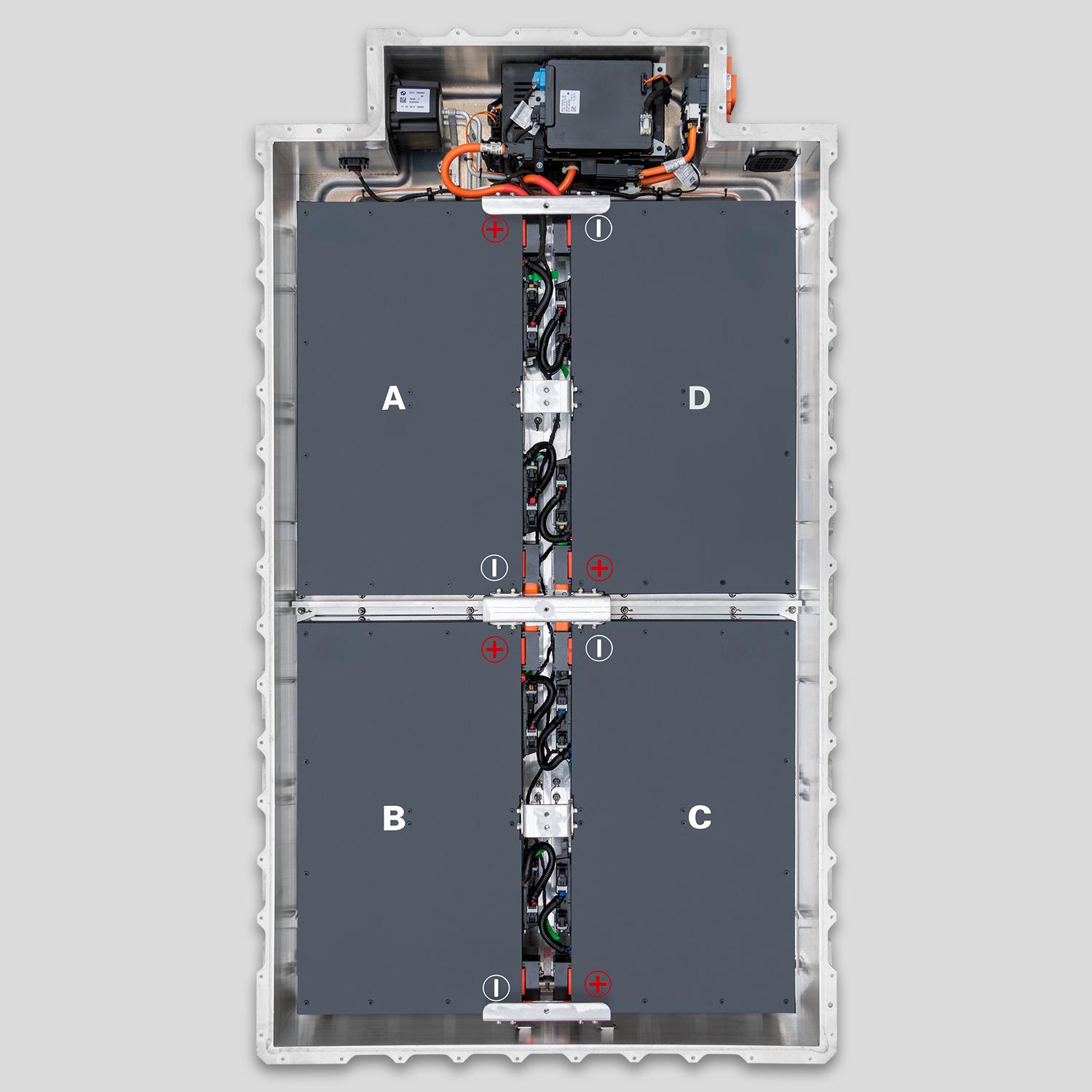
The BMW i3’s high voltage fuse system isn’t just a simple circuit breaker – it’s a sophisticated safety mechanism designed to protect your vehicle’s entire electrical architecture. Located in the high voltage battery compartment, these fuses serve as the first line of defense against electrical faults that could damage your battery, motor, or other critical components.
When a high voltage fuse blows, it typically causes the vehicle to enter a “limp mode” or become completely inoperable. Unlike conventional fuses, BMW i3 high voltage fuses require specific testing procedures to avoid false readings or dangerous misdiagnosis.
Professional Testing Methods: A Step-by-Step Guide for Your Shop
1. Safety First: The Non-Negotiable Pre-Check
Before touching anything, ensure you’ve followed BMW’s safety protocols:
- Verify the vehicle is completely powered down
- Wait at least 10 minutes after disconnecting the 12V battery
- Wear proper insulated gloves and safety glasses
- Confirm all high voltage components are de-energized with a multimeter
Pro Tip: Many shops skip this step, leading to dangerous situations and equipment damage. Proper safety protocols are your first line of defense.
2. Visual Inspection: The Quick Check That Saves Time
Start with a simple visual examination:
- Look for signs of burning, melting, or discoloration
- Check for physical damage to the fuse housing
- Inspect surrounding wiring for fraying or insulation damage
Note: A blown fuse often shows visible signs of failure, but don’t rely solely on this – always proceed to electrical testing.
3. Electrical Testing: The Accurate Method
For accurate diagnosis, follow this procedure:
- Identify the Correct Fuse: Locate the high voltage fuse box (typically in the front trunk area) and identify the specific fuse for your i3 model year.
- Measure Continuity: Using a multimeter set to continuity mode:
- Place one probe on each end of the fuse
- A good fuse should show continuity (0Ω)
- An open circuit indicates a blown fuse
- Check for Voltage Drop: With the vehicle powered on (in accessory mode):
- Measure voltage across the fuse terminals
- A healthy fuse should show minimal voltage drop
- Significant drop indicates a failing fuse
Advanced Tip: When testing, always compare readings to BMW’s technical service bulletins for your specific model year. Variations exist between 2014-2023 i3 models.
Why Proper High Voltage Fuse Testing Matters for Your Business
When technicians misdiagnose high voltage fuse issues, they often:
- Replace expensive components unnecessarily
- Waste customer time and money
- Damage the shop’s reputation for accuracy
By mastering these testing methods, your shop becomes the trusted destination for BMW i3 owners seeking reliable electrical diagnostics. Customers will return for future service knowing they’re getting accurate diagnostics, not guesswork.
How Quality Battery Replacement Prevents Future Fuse Issues
The root cause of many high voltage fuse failures isn’t the fuse itself – it’s often a failing battery system that overloads the circuit. CNS Battery’s BMW i3 replacement batteries are engineered to prevent these issues:
- Brand new CATL lithium cells ensure consistent power delivery without surges
- Advanced battery management system protects against overloads
- 2-year/80,000-mile warranty gives you peace of mind
- Plug-and-play installation eliminates wiring errors that cause fuse failures
When you replace an aging BMW i3 battery with a CNS Battery solution, you’re not just fixing the current issue – you’re preventing future high voltage fuse problems before they happen.
The Cost of Cutting Corners on BMW i3 Electrical Systems
A single misdiagnosed high voltage fuse can cost your shop:
- $200-$500 in unnecessary part replacements
- 2-3 hours of labor time
- Potential customer dissatisfaction and lost business
By contrast, investing in proper testing equipment and quality replacement batteries like those from CNS Battery:
- Reduces diagnostic errors by up to 75%
- Increases customer satisfaction scores
- Boosts your shop’s reputation as a BMW i3 electrical specialist
Ready to Become Your Area’s BMW i3 Electrical Experts?
Stop guessing about high voltage fuse issues and start diagnosing with confidence. CNS Battery’s BMW i3 replacement batteries are designed to work seamlessly with your vehicle’s electrical system, reducing the likelihood of fuse failures and other electrical problems.
Our batteries feature:
- Brand new CATL battery cells for optimal performance
- 2-year/80,000-mile warranty that exceeds manufacturer standards
- Plug-and-play installation for quick, reliable service
- Lifetime technical support from battery experts
Frequently Asked Questions About BMW i3 High Voltage Fuse Testing
Q: How often should I test the high voltage fuse on a BMW i3?
A: While there’s no set schedule, it’s wise to test the high voltage fuse during routine electrical system diagnostics, especially when customers report sudden power loss or unusual behavior.
Q: Can a blown high voltage fuse cause damage to the battery?
A: Yes, a blown fuse is often a symptom of a larger issue. If the fuse blows repeatedly, it’s typically due to an underlying problem in the battery system or electrical circuit that could cause further damage if not addressed.
Q: Are all BMW i3 high voltage fuses the same?
A: No, different model years have different fuse configurations. Always consult your BMW i3 service manual for the correct fuse type and location based on your specific model year.
Q: What’s the most common mistake technicians make when testing high voltage fuses?
A: The most common mistake is not following proper safety protocols before testing. Many technicians skip the safety steps, leading to dangerous situations and inaccurate readings.
Q: How can I tell if a high voltage fuse is blown without testing?
A: While some blown fuses show visible damage, many don’t. The only reliable way to confirm a blown fuse is through proper electrical testing with a multimeter.
Take Control of Your BMW i3 Electrical Diagnostics Today
Stop losing customers to unreliable diagnostics and start building your reputation as the go-to shop for BMW i3 electrical issues. With CNS Battery’s high-quality replacement batteries and expert support, you’ll prevent future high voltage fuse problems while providing exceptional service to your customers.
Ready to become the BMW i3 electrical expert in your area? Contact CNS Battery today for a personalized quote and technical consultation.