BMW i3 High Voltage Cable Replacement: What It Really Costs in 2026 (And Why Cheap Cables Risk Your Entire Pack)
You’ve just been told your BMW i3 needs a new high voltage (HV) cable. Maybe you saw error codes like “High-Voltage System Malfunction”, noticed burn marks near the connector, or your technician found insulation wear during a battery inspection.
Now you’re searching: “How much does a BMW i3 HV cable replacement cost?”
Online, prices range wildly—from $120 on auction sites to $900 at the dealer. But here’s what no listing reveals: not all HV cables are equal. A substandard cable can overheat, trigger BMS faults, or even cause arcing that damages your brand-new battery pack.
At CNS BATTERY, we’ve seen customers spend thousands on a replacement pack—only to fry it with a $150 “compatible” cable from an unknown seller. In this guide, we break down the real 2026 costs, explain why OEM-spec materials matter, and show how ordering your cable with a CNS battery includes a certified, pre-tested HV harness—at no extra markup.
Why HV Cables Fail—and Why It’s Not Just About Price
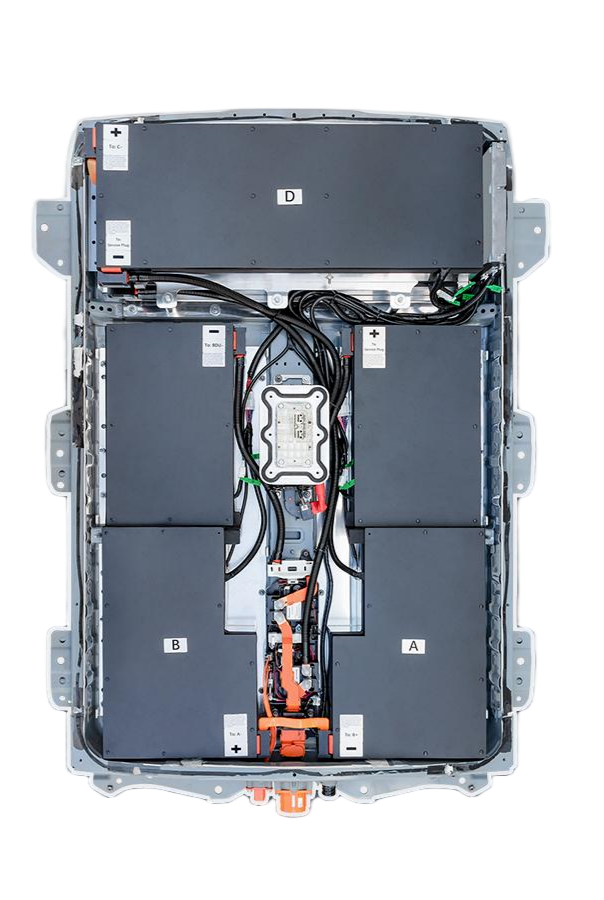
The BMW i3’s high voltage cable carries up to 400V DC between the traction battery, power electronics, and motor. Over time, three issues arise:
- Vibration fatigue: Constant road shake cracks brittle insulation
- Thermal cycling: Repeated heating/cooling degrades rubber sheathing
- Corrosion: Moisture ingress at connectors increases resistance
When resistance rises, heat builds at contact points—leading to melted housings, voltage drops, or complete isolation faults.
🔌 Real case: A customer in Berlin installed a third-party HV cable for €180. After two months, the connector overheated during fast charging, damaging his new 45kWh pack’s BMS. Total loss: €3,200.
2026 High Voltage Cable Replacement Cost Breakdown
| Source | Part Cost (USD) | Labor | Warranty | Safety Certification |
|---|---|---|---|---|
| BMW Dealer | $750–$920 | $220–$350 | 2 years | ✅ OEM (TÜV, ISO 6722) |
| Aftermarket (Generic) | $120–$280 | $200–$300 | 30–90 days | ❌ Often uncertified |
| CNS BATTERY (OEM-Spec) | $320–$410 | $180–$250* | ✅ 2 years / 80,000 km | ✅ ISO 6722, UL 2250 |
* Labor reduced when installed with a new CNS battery pack
💡 Key insight: Labor dominates the total cost—but cheap parts increase rework risk. A failed cable often requires battery removal again, doubling labor fees.
What Makes a “Safe” HV Cable? 3 Non-Negotiables
Not all orange cables are created equal. A true OEM-spec HV harness must have:
- Cross-linked polyethylene (XLPE) insulation – rated for 150°C continuous use
- Tin-plated copper terminals with crimp-and-solder construction (not just crimped)
- IP67-rated connectors with strain relief and locking mechanisms
Cheap alternatives use PVC insulation (melts at 105°C) and loose crimps—fire hazards under load.
CNS cables are built to BMW Group Standard GS 90024 and tested for:
- 5,000+ mating cycles
- -40°C to +125°C thermal shock
- 5kV dielectric strength
The Smart Move: Bundle Your Cable with a New Battery
If you’re replacing your i3’s battery anyway, never reuse old HV cables. Even if they “look fine,” internal degradation is invisible.
That’s why every CNS BATTERY pack includes:
✅ New, pre-installed HV output cable (battery-to-junction)
✅ Matching service disconnect plug with safety interlock
✅ Torque-calibrated connectors ready for vehicle-side mating
You get zero compatibility risk—and one less part to source separately.
As EK Auto Repair in Rome notes:
“We used to order cables separately. Now we get them with CNS packs—perfect fit, no errors, and covered under the same warranty. Saves us hours per install.”
DIY Warning: HV Work Is Not for Amateurs
Replacing an HV cable requires:
- Certified EV training (e.g., IMI Level 3, ASE L3)
- Insulated tools rated CAT III 1000V
- Proper lockout/tagout procedures
One mistake can result in lethal arc flash or permanent vehicle damage. If you’re not certified, leave it to professionals.
Don’t Gamble with the Lifeline of Your EV
Your high voltage cable isn’t just a wire—it’s the critical link between your battery and drivetrain. Cutting corners here risks everything you’ve invested in.
Need a Certified HV Cable—or a Full Battery Solution?
Tell us your i3 model year and whether you’re replacing just the cable or upgrading your pack. We’ll send exact specs, pricing, and installation support.
👉 Contact CNS BATTERY Technical Team for HV Cable Solutions
FAQ: BMW i3 High Voltage Cable Replacement
Q: How many HV cables does the i3 have?
A: Typically one main traction cable from the battery to the EME (power electronics), plus a service disconnect loop inside the pack.
Q: Can I test my HV cable for damage?
A: Only with megohmmeter (insulation resistance) testing and milliohm meter (contact resistance). Visual inspection isn’t enough.
Q: Do CNS cables work with original BMW batteries?
A: Yes—our harnesses are pin-compatible with all i3 models (2014–2021), whether you keep the OEM pack or upgrade.
Q: How long does replacement take?
A: 2–3 hours by a qualified technician, including HV disable, cable routing, torque validation, and system reset.
Q: Are used/OEM-takeoff cables safe?
A: No. HV cables are single-life components. Reusing them violates BMW safety protocols and voids insurance in many regions. Always use new.