
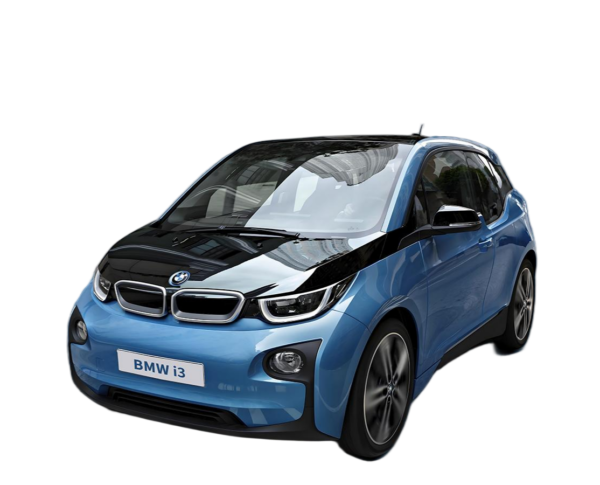
BMW i3 EV Battery Maintenance Tips: Pros and Cons – Must Read
Is Your BMW i3 Losing Range? Here’s What You Need to Know Before It’s Too Late
Picture this: You’re planning a weekend getaway, but your trusted BMW i3 suddenly shows a range of just 100 miles instead of the 150+ miles you’re used to. The battery warning light flickers on the dashboard. Your heart sinks. This scenario is becoming increasingly common for BMW i3 owners worldwide as their original batteries age.
Battery degradation is the silent enemy of every electric vehicle owner. But here’s the good news: understanding proper BMW i3 battery maintenance can extend your battery life significantly, and knowing your replacement options can save you thousands of dollars.
In this comprehensive guide, we’ll explore everything you need to know about maintaining your BMW i3 battery, the pros and cons of different approaches, and when it might be time to consider a battery replacement or upgrade.
Understanding BMW i3 Battery Technology
The Heart of Your Electric Vehicle
The BMW i3 comes equipped with a lithium-ion battery pack that powers your entire driving experience. Original models featured batteries ranging from 22kWh to 42kWh, with newer versions offering up to 120Ah capacity. However, like all lithium-ion batteries, these power packs experience natural degradation over time.
Key Battery Specifications:
- Chemistry: Lithium-ion (NMC – Nickel Manganese Cobalt)
- Original Capacity: 22kWh to 42kWh (depending on model year)
- Upgrade Options: 45kWh, 50kWh, 62kWh aftermarket solutions
- Expected Lifespan: 8-10 years under optimal conditions
- Warranty Coverage: Typically 8 years or 100,000 miles from BMW
Why Battery Maintenance Matters
Proper EV battery maintenance isn’t just about extending range—it’s about protecting your investment. A well-maintained battery can last significantly longer than one that’s neglected, potentially saving you $10,000 to $16,000 in premature replacement costs.
Essential BMW i3 Battery Maintenance Tips
1. Optimize Your Charging Habits
Avoid Extreme Charging States
One of the most critical battery maintenance tips is avoiding consistently charging to 100% or draining to 0%. Lithium-ion batteries experience the most stress at these extremes.
Best Practices:
- Keep daily charging between 20% and 80%
- Use Level 2 charging for routine charging needs
- Reserve DC fast charging for long trips only
- Never leave your battery at 100% for extended periods
2. Temperature Management is Crucial
Heat and Cold Impact Battery Health
Extreme temperatures accelerate battery degradation. The BMW i3’s thermal management system helps, but you can do more.
Hot Weather Protection:
- Park in shaded areas whenever possible
- Pre-condition your vehicle while still plugged in
- Avoid fast charging immediately after highway driving
Cold Weather Strategies:
- Use garage parking when temperatures drop below freezing
- Pre-heat the battery before driving in winter
- Expect 15-30% range reduction in extreme cold
3. Monitor Battery Health Regularly
Stay Informed About Your Battery’s Condition
Regular monitoring helps you catch issues before they become expensive problems.
What to Check:
- State of Health (SOH) percentage
- Individual cell voltage balance
- Charging time variations
- Range estimates vs. actual performance
Pro Tip: Use the BMW i3’s built-in diagnostics or third-party apps to track battery metrics monthly.
4. Driving Style Affects Battery Longevity
Smooth Driving Extends Battery Life
Aggressive acceleration and hard braking put additional stress on your battery system.
Efficient Driving Techniques:
- Use eco mode for daily commuting
- Anticipate stops to maximize regenerative braking
- Maintain steady speeds on highways
- Avoid rapid acceleration from stops
Pros and Cons: Maintenance vs. Replacement
The Maintenance Approach
Pros:
- Lower immediate costs – No upfront investment required
- Extends existing battery life – Proper care can add 2-3 years
- Environmentally friendly – Reduces waste
- Maintains original warranty – No modifications to factory systems
Cons:
- Limited effectiveness – Cannot reverse existing degradation
- Time-consuming – Requires consistent attention to habits
- Diminishing returns – Older batteries degrade faster regardless of care
- Range limitations remain – Won’t restore original capacity
The Replacement/Upgrade Option
Pros:
- Restores full range – New batteries provide like-new performance
- Potential capacity increase – Upgrade to 45kWh, 50kWh, or 62kWh options
- New warranty coverage – Typically 2 years or 80,000 kilometers
- Cost-effective – Aftermarket options at approximately 50% of OEM pricing
- Latest technology – Newer cell chemistry offers better performance
Cons:
- Upfront investment – Requires significant initial payment ($7,000-$9,000)
- Installation complexity – Professional installation recommended
- Warranty considerations – May affect remaining factory coverage
- Compatibility verification needed – Must ensure proper fit for your model
When Should You Consider Battery Replacement?
Warning Signs It’s Time
Don’t wait until your BMW i3 becomes undrivable. Watch for these indicators:
Critical Signs:
- Range below 80 miles on full charge
- Charging time increases significantly
- Battery warning lights appear frequently
- SOH drops below 70%
- Uneven cell degradation causing performance issues
Cost Comparison: OEM vs. Aftermarket
| Option | Estimated Cost | Warranty | Range Improvement |
|---|---|---|---|
| BMW OEM Battery | $14,000-$16,000 | 8 years/100,000 miles | Original specs |
| Aftermarket 45kWh | $7,500-$8,500 | 2 years/80,000 km | 300km range |
| Aftermarket 62kWh | $8,500-$9,500 | 2 years/80,000 km | 430km range |
Real Customer Experience: Lisa K. from Berlin, Germany shared: “After the original battery degraded, the 4S dealership quoted €12,000 for a replacement. I chose a brand-new CATL battery solution, and now my full charge range has increased from 180km to 290km. The value for money is incredible!”
Benefits of Choosing Quality Aftermarket Solutions
Why Smart Owners Are Making the Switch
1. Significant Cost Savings
Aftermarket BMW i3 battery replacements cost approximately 50% less than OEM options while delivering comparable or superior performance.
2. Advanced Cell Technology
Leading aftermarket providers use brand-new CATL battery cells, the same manufacturer supplying major automotive brands worldwide. These cells offer:
- Higher energy density
- Improved thermal stability
- Longer cycle life
- Enhanced safety features
3. Flexible Capacity Options
Unlike OEM replacements that match original specifications, aftermarket solutions allow you to upgrade your capacity:
- 45kWh – Ideal for city driving (300km range)
- 50kWh – Balanced performance (350km range)
- 62kWh – Maximum range (430km range)
4. Comprehensive Support
Quality providers offer:
- Free compatibility assessment using your VIN
- Installation guidance with video tutorials
- Remote technical support via video calls
- Lifetime technical assistance
Making the Right Decision for Your BMW i3
Evaluate Your Situation
Before deciding between maintenance and replacement, consider:
Questions to Ask Yourself:
- What’s my current battery SOH percentage?
- How much range do I actually need daily?
- What’s my budget for battery solutions?
- Am I planning to keep this vehicle long-term?
- Do I have access to professional installation services?
Expert Recommendation
For BMW i3 owners with batteries showing significant degradation (SOH below 75%), replacement often provides better long-term value than continued maintenance efforts. The combination of restored range, new warranty coverage, and potential capacity upgrades makes replacement the smarter financial choice for most owners.
Frequently Asked Questions
Q1: How long does a BMW i3 battery typically last?
A: Original BMW i3 batteries typically last 8-10 years under normal conditions. However, factors like climate, charging habits, and driving patterns significantly impact actual lifespan. Many owners experience noticeable degradation after 5-7 years.
Q2: Can I upgrade my BMW i3 battery capacity?
A: Yes! Aftermarket solutions offer capacity upgrades from original 22-42kWh to 45kWh, 50kWh, or even 62kWh options. This can double your original range while maintaining compatibility with your vehicle’s systems.
Q3: What’s the difference between OEM and aftermarket batteries?
A: OEM batteries come directly from BMW at premium prices ($14,000-$16,000). Quality aftermarket batteries use brand-new CATL cells at approximately 50% of OEM cost, with comparable performance and 2-year/80,000km warranty coverage.
Q4: How difficult is battery installation?
A: Complete battery packs feature plug-and-play installation taking 2-3 hours. Individual modules require connecting 6 power lines and 1 signal line. Professional installation is recommended, but detailed video tutorials and remote support make DIY possible for experienced individuals.
Q5: Will aftermarket batteries affect my vehicle warranty?
A: Aftermarket battery replacement may affect remaining factory battery warranty, but the aftermarket solution comes with its own 2-year/80,000km warranty. Other vehicle systems remain covered under original BMW warranty.
Q6: What maintenance does a new battery require?
A: New batteries require minimal maintenance:
- Follow optimal charging practices (20-80% daily)
- Avoid extreme temperature exposure
- Monitor battery health quarterly
- Keep software updated
Q7: How do I know if my battery needs replacement?
A: Key indicators include range below 80 miles, SOH under 70%, significantly increased charging times, frequent warning lights, or uneven cell performance. Professional diagnostic testing provides definitive answers.
Q8: What’s the shipping time for replacement batteries?
A: Ocean shipping typically takes 4-8 weeks to most destinations. Express options (DHL/FedEx) deliver in 3-8 business days for urgent needs. All shipments use fumigation-free wood packaging for protection.
Take Action Today: Restore Your BMW i3’s Performance
Don’t let battery degradation limit your electric driving freedom. Whether you need maintenance guidance or are ready for a battery replacement, expert support is available.
Get Your Free Custom Quote Now
Every BMW i3 is unique, and so are your needs. Our technical experts provide:
- Free VIN compatibility assessment
- Personalized capacity recommendations
- Transparent pricing with no hidden fees
- Lifetime technical support
Contact Our Battery Specialists Today
Join thousands of satisfied BMW i3 owners who’ve restored their vehicle’s performance without breaking the bank. Your electric journey deserves the best power source available.
Ready to discuss your BMW i3 battery needs? Reach out to our team at info@cnsbattery.com or start your custom quote process now. Don’t wait until your range becomes unacceptable—take control of your EV’s future today.


