⚡ Mastering the BMW i3 Battery: A Deep Dive for Techies & Enthusiasts
The BMW i3 represents a pivotal moment in automotive history—a bold, carbon-fiber statement of electric driving. However, for many owners, the journey hits a snag: battery degradation. Whether you’re facing a “Reduced Power” warning or simply want to extend the life of your urban runabout, diving into the BMW i3 EV battery diagnostic is the first step toward a solution.
As a dedicated manufacturer of premium EV powertrains, CNS BATTERY understands that the i3 isn’t just a car; it’s a complex electronic ecosystem. This guide is designed for the “Techies”—those who want to understand the “why” behind the fault codes and the “how” of a reliable fix.
🛠️ Decoding the Dashboard: Common i3 Fault Codes
Before you crack open the casing, you need to interpret the car’s language. The i3 is notorious for specific fault codes related to the High Voltage (HV) system. Understanding these is crucial for any BMW i3 EV battery diagnostic.
- “Reduced Power” / “Check Control” Messages: This is the most common symptom. It often indicates a communication breakdown between the Battery Management System (BMS) and the vehicle’s central computer.
- Error Codes (e.g., 120308, 120B02): These usually point to cell imbalance, temperature sensor failures, or HV contactor issues.
- The “Black Screen of Death”: While this can be an ECU issue, it’s often linked to the 12V system being drained by a parasitic draw from the HV battery or a failing BMS wake-up signal.
Expert Tip: Never assume it’s the cells. Often, the issue lies in the Battery Insulation Tape or the Cooling System. Moisture ingress or dried-out thermal paste can cause the BMS to shut down the system for safety, even if the cells are healthy.
🔋 The Core of the System: Inside the Battery Pack
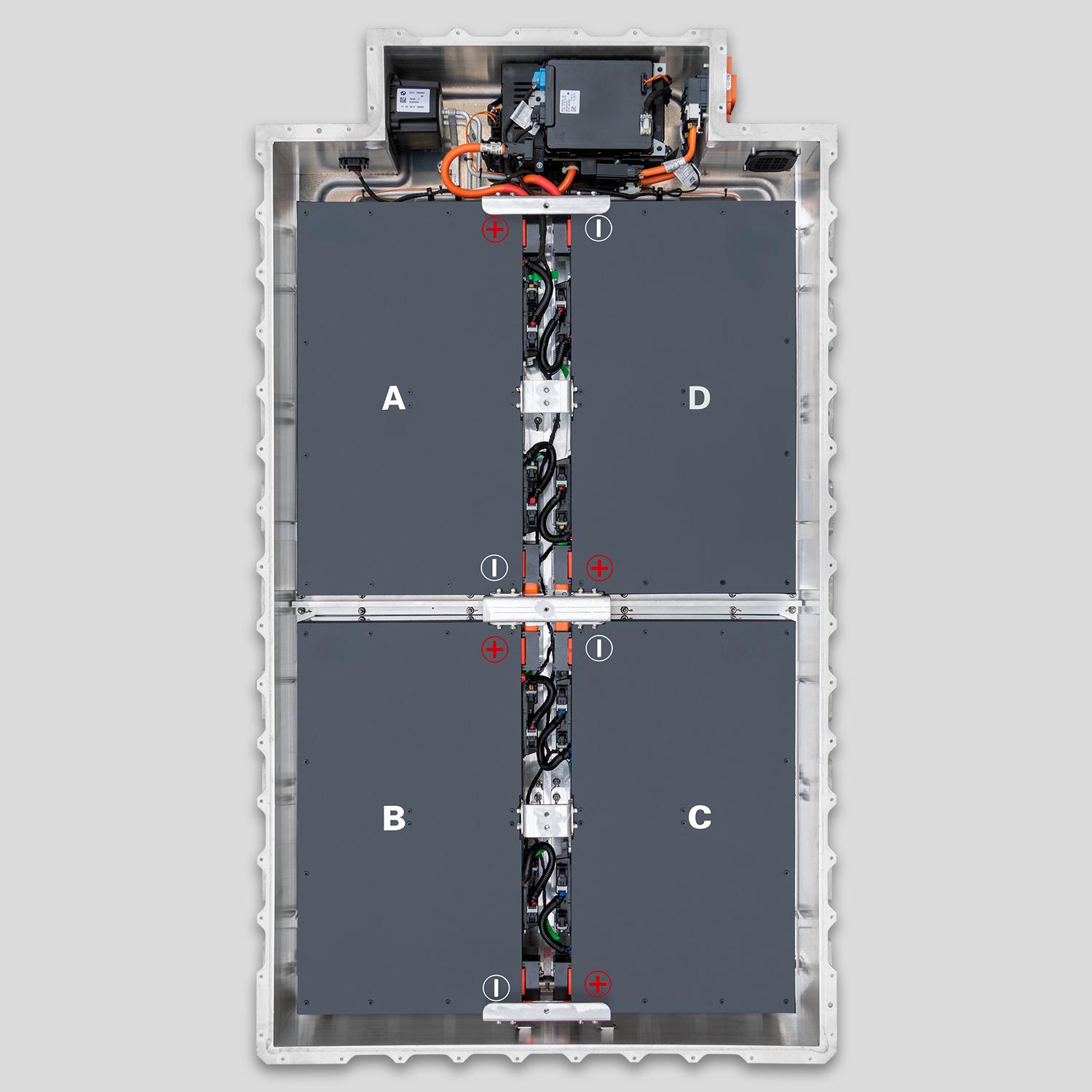
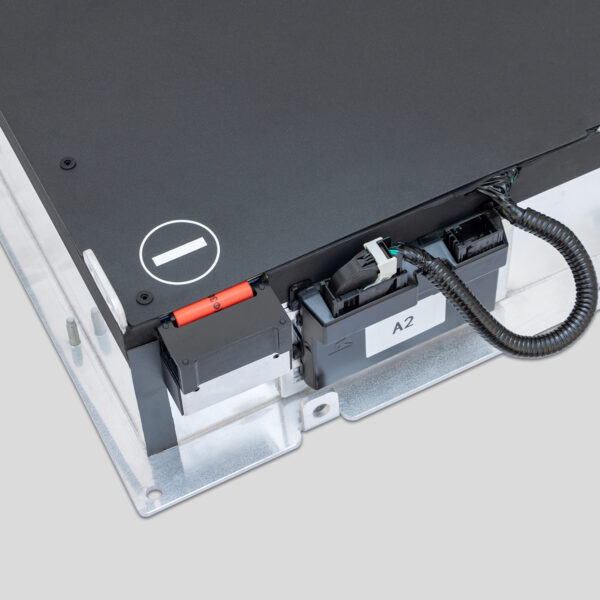
To perform a proper BMW i3 EV battery diagnostic, you must understand the hardware. The i3 uses a liquid-coing system wrapped around prismatic cells. Over time, the thermal interface material degrades, leading to hotspots.
The CNS Advantage: New vs. Refurbished
When diagnostics reveal a failing pack, the choice is critical. Generic refurbishers often reuse old cells, which are prone to swelling and rapid degradation.
Comparison: The Long-Term Solution
| Feature | Generic Refurbished Battery | CNS BATTERY (New Cells) |
|---|---|---|
| Cell Source | Reused/Salvaged (Aged) | Brand New CATL Cells (Top Tier) |
| Thermal Management | Often neglected, old tape | Fresh BMW i3 Battery Insulation Tape & paste |
| Warranty | 6-12 Months | 2 Years / 80,000 km |
| Reliability | High risk of “Reduced Power” recurrence | Zero Fault Performance Guarantee |
🧪 The Diagnostic Process: A Step-by-Step Approach
If you’re in the garage or managing a repair shop, here is the professional workflow we recommend for a BMW i3 EV battery diagnostic.
1. Visual & Physical Inspection
Before plugging in a scanner, perform a physical check.
- Inspect the Tape: The BMW i3 battery insulation tape acts as both a seal and a thermal conductor. If it’s brittle, cracked, or missing, moisture and air are getting in, causing corrosion and thermal runaway risks.
- Check for Swelling: Open the casing and look for “pillowing” of the cells. Swollen cells cannot be repaired and must be replaced.
2. Voltage & Resistance Testing
Using a multimeter, check the voltage of individual modules.
- Healthy Range: Modules should read within 0.1V of each other.
- The “Dead Module”: If a module reads significantly lower (e.g., below 3.0V), it indicates a cell failure or a BMS communication break.
3. BMS Deep Scan
Connect to the BMS via the service port.
- Look for Cell Imbalance: If the BMS shows a massive disparity between the highest and lowest cell voltages, the pack is struggling to balance.
- Temperature Sensors: Verify all sensors are reporting within range. A faulty sensor will trigger a shutdown.
⚙️ The Ultimate Upgrade: New CATL Cells
If your diagnostic reveals that the core cells are degraded, the only permanent fix is a complete cell replacement. This is where CNS BATTERY excels.
We don’t just “refurbish” old packs; we engineer Original EV Powertrain solutions. By utilizing brand new CATL cells—the same quality standard used by major OEMs—we eliminate the risks associated with reused technology.
Why New Cells Matter for Techies
- Chemistry: We use the latest NMC (Nickel Manganese Cobalt) chemistry, ensuring maximum energy density.
- BMS Compatibility: Our packs are programmed to communicate flawlessly with the BMW K-CAN bus system, passing all handshake protocols without triggering “Reduced Power” modes.
- Thermal Rebuild: We replace all insulation tape and apply fresh thermal interface material, ensuring the pack runs 10-15% cooler than a typical refurbished unit.
📈 Cost vs. Value: The 50% Rule
Many i3 owners are shocked by the cost of a new OEM battery from a dealership. The alternative—cheap refurbished batteries—often leads to a cycle of故障 (faults) and returns.
CNS BATTERY offers a solution that saves you 50%+ in costs compared to OEM, without sacrificing the reliability of brand-new technology.
Real-World Data: Our field data shows that BMW i3 owners who upgrade to a CNS pack report a zero failure rate in the first year, compared to a 20-30% return rate for generic refurbished packs.
❓ Frequently Asked Questions (FAQ)
Q1: Can I just replace the insulation tape on my BMW i3 battery myself?
A: While it is possible to replace the BMW i3 battery insulation tape yourself, it is a delicate process. If the cells are already degraded or if the thermal paste is not reapplied correctly, you risk immediate overheating. For a long-term fix, we recommend ensuring the cells themselves are healthy (or replacing them with new ones) before re-taping.
Q2: How do I know if I need a full battery replacement or just a BMS reset?
A: A BMS reset is only effective if the fault is purely software-related (e.g., a soft-lock due to a voltage spike). If your diagnostic shows physical cell degradation, low voltage modules, or physical damage, a reset will not solve the problem. If the car shuts down immediately after startup, it’s likely a hardware fault requiring a new pack.
Q3: What is the installation process like for a CNS BMW i3 battery?
A: We design our batteries for Plug-and-Play compatibility. The installation typically takes 1-2 hours for a professional technician. We provide step-by-step installation videos and PDF guides. Once installed, the BMS programming is usually successful on the first try, restoring your i3 to factory specifications (or better).
Q4: Do you offer international shipping and support?
A: Yes. We support international sales to over 50 countries. We handle customs compliance and offer DDP (Delivered Duty Paid) services. Our technical support team is also available to assist with diagnostics and installation queries globally.
🛑 Stop the Guesswork. Get a Definitive Solution.
Performing a BMW i3 EV battery diagnostic is the first step, but choosing the right hardware is the final step to peace of mind. Don’t gamble with reused cells that will fail again in 6 months.
At CNS BATTERY, we combine the precision of OEM engineering with the value of aftermarket pricing. Our packs are built for the long haul, backed by a 2-year warranty, ensuring your i3 is ready for another decade of reliable driving.
Ready to revive your BMW i3? Get a free, no-obligation quote today and speak to our technical experts about your specific diagnostic results.