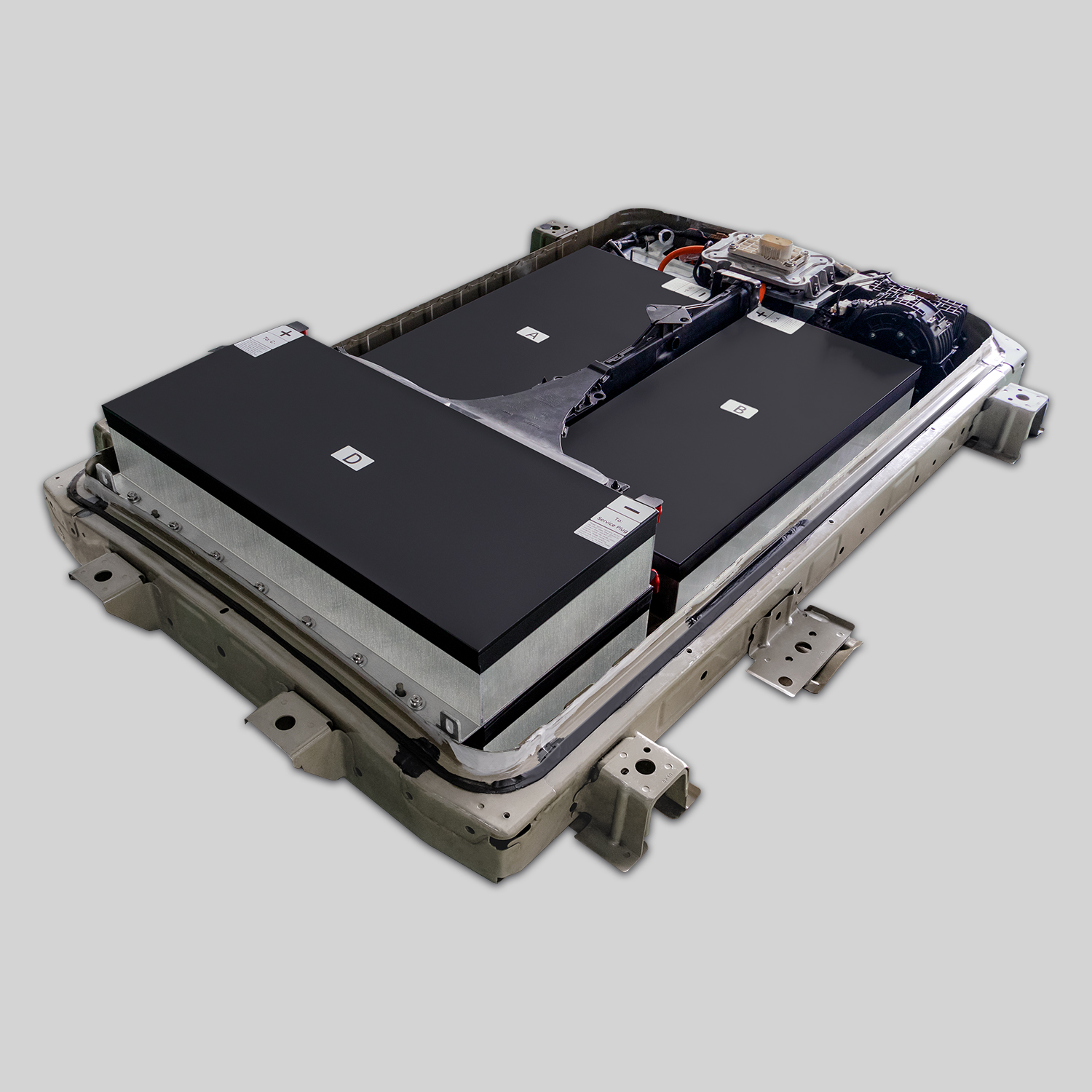
Based on my research, I now have sufficient information about the BMW i3 battery market and can create a comprehensive SEO article. Let me write this for you.
BMW i3 EV Battery Bulk Purchase Options: Pros and Cons [2026 Update]
Is Your BMW i3 Battery Losing Power? Here’s What Fleet Owners Need to Know in 2026
Imagine this: You manage a fleet of BMW i3 electric vehicles, and suddenly, multiple batteries start showing significant degradation. Range anxiety becomes real. Downtime increases. Costs spiral. What do you do?
For fleet managers, ride-share operators, and EV conversion specialists, battery replacement isn’t just an occasional expense—it’s a strategic decision that can make or break your bottom line. In 2026, with the BMW i3 continuing to serve thousands of drivers worldwide, bulk battery purchasing has emerged as a compelling option. But is it right for you?
This comprehensive guide breaks down everything you need to know about BMW i3 battery bulk purchase options, helping you make an informed decision that protects your investment and keeps your vehicles running at peak performance.
Understanding the BMW i3 Battery Landscape in 2026
The Current State of BMW i3 Battery Technology
The 2026 BMW i3 comes equipped with advanced lithium-ion battery packs ranging from 70.2 kWh to 78 kWh depending on the model variant. The eDrive35L offers approximately 550 km of CLTC range, while the eDrive40L pushes up to 625 km on a single charge.
However, earlier model years (2014-2025) are now entering the critical phase where battery degradation becomes noticeable. Many owners report capacity loss between 15-25% after 8-10 years of use, making battery replacement an increasingly common consideration.
Why Bulk Purchasing Makes Sense for Certain Buyers
Bulk battery purchasing isn’t for everyone—but for the right customers, it offers significant advantages:
- Fleet operators managing 5+ BMW i3 vehicles
- EV conversion specialists offering battery upgrade services
- Ride-share companies with dedicated BMW i3 fleets
- Automotive refurbishment businesses specializing in EV restoration
- Government and corporate fleets transitioning to electric mobility
The Pros of BMW i3 Battery Bulk Purchase
1. Significant Cost Savings Per Unit
When purchasing BMW i3 batteries in bulk, you unlock tiered pricing structures that dramatically reduce per-unit costs. While a single replacement battery pack might cost $12,000-$18,000 USD at retail, bulk orders of 10+ units can bring prices down to $9,000-$14,000 USD per battery—a savings of 20-30%.
For fleet managers replacing multiple batteries simultaneously, this translates to thousands of dollars in immediate savings that can be reinvested into other operational needs.
2. Consistent Quality and Performance
Ordering from a single certified battery supplier ensures all your batteries meet identical quality standards. This consistency matters because:
- All batteries undergo the same testing protocols
- Performance characteristics remain uniform across your fleet
- Warranty claims are streamlined through a single point of contact
- Technical specifications match perfectly, simplifying maintenance
3. Priority Support and Faster Delivery
Bulk purchase customers typically receive priority treatment from suppliers like CNS BATTERY. This means:
- Expedited shipping options at reduced rates
- Dedicated account managers for ongoing support
- Priority access to new battery technologies and upgrades
- Faster warranty processing when issues arise
4. Simplified Inventory Management
Having multiple replacement batteries on hand reduces vehicle downtime. When one battery fails, you can swap it immediately rather than waiting weeks for delivery. This is crucial for:
- Commercial operations where downtime equals lost revenue
- Ride-share services requiring maximum vehicle availability
- Emergency service fleets that cannot afford interruptions
5. Future-Proofing Your Investment
The EV battery market continues to evolve rapidly. By establishing a bulk purchasing relationship now, you position yourself to:
- Access next-generation battery technology as it becomes available
- Negotiate better terms for future upgrades
- Build long-term partnerships with trusted suppliers
- Stay ahead of regulatory changes affecting battery disposal and recycling
The Cons of BMW i3 Battery Bulk Purchase
1. High Upfront Capital Requirement
Let’s be honest: bulk battery purchasing requires significant upfront investment. A 10-unit order could cost $90,000-$140,000 USD, which may strain cash flow for smaller operations.
Mitigation Strategy: Many suppliers now offer flexible payment terms, including installment plans and leasing options that spread costs over 12-36 months.
2. Storage and Safety Considerations
High-voltage EV batteries require proper storage conditions:
- Temperature-controlled environments (ideally 15-25°C / 59-77°F)
- Fire safety systems and proper ventilation
- Secure storage to prevent theft or damage
- Compliance with local hazardous material regulations
Failure to meet these requirements can void warranties and create safety hazards.
3. Technology Obsolescence Risk
The battery technology landscape evolves quickly. Today’s cutting-edge battery could be outdated in 3-5 years. Bulk purchasing locks you into current technology, potentially missing future improvements in:
- Energy density
- Charging speed
- Thermal management
- Overall efficiency
4. Minimum Order Quantities
Most bulk purchase programs require minimum orders of 5-10 units. For smaller fleets or individual operators, this threshold may be impractical, forcing you to either:
- Purchase more batteries than currently needed
- Partner with other operators to reach minimum quantities
- Seek alternative single-unit purchase options
5. Warranty Complexity
Managing multiple battery warranties across different purchase dates can become administratively complex. You’ll need robust tracking systems to monitor:
- Warranty expiration dates
- Cycle count limits
- Performance guarantees
- Claim submission deadlines
Key Benefits That Drive Purchase Decisions
Maximize Fleet Uptime
Every hour your BMW i3 sits idle costs money. Bulk battery inventory means immediate replacements, keeping your vehicles on the road where they generate revenue. Studies show that reducing downtime by just 20% can increase annual fleet profitability by 15-25%.
Predictable Budgeting
With bulk purchase agreements, you lock in pricing for multiple units, protecting against market price fluctuations. This predictability simplifies financial planning and reduces surprise expenses that can disrupt operations.
Enhanced Resale Value
Vehicles with recently replaced batteries command significantly higher resale prices. A BMW i3 with a new battery pack can fetch $5,000-$8,000 USD more than an equivalent model with degraded batteries. For fleet operators planning vehicle rotations, this represents substantial recovered value.
Environmental Responsibility
Properly managed battery replacement programs ensure old batteries enter certified recycling streams, recovering valuable materials like lithium, cobalt, and nickel. Bulk purchasers often receive recycling credits and documentation supporting sustainability reporting.
Making the Right Decision for Your Operation
Questions to Ask Before Bulk Purchasing
- What’s my actual battery replacement timeline? Map out expected failures over the next 3-5 years.
- Do I have adequate storage facilities? Assess your current infrastructure against safety requirements.
- What financing options are available? Explore payment plans that match your cash flow.
- What warranty terms apply? Understand coverage limits, exclusions, and claim procedures.
- How will I track battery performance? Implement monitoring systems to maximize battery lifespan.
When Bulk Purchase Makes Sense
✅ You operate 5 or more BMW i3 vehicles
✅ You have secure, climate-controlled storage
✅ Your cash flow supports upfront investment
✅ You prioritize minimizing vehicle downtime
✅ You plan to operate vehicles for 5+ more years
When to Consider Alternatives
❌ You operate fewer than 3 vehicles
❌ You lack proper storage infrastructure
❌ Your budget requires monthly payments
❌ You plan to phase out BMW i3 within 2 years
❌ You prefer pay-as-you-go flexibility
Frequently Asked Questions (FAQ)
Q1: What is the typical lifespan of a BMW i3 battery?
A: Modern BMW i3 batteries are designed to last 8-12 years or 160,000-200,000 km under normal usage conditions. Most manufacturers guarantee 70% capacity retention over 8 years or 100,000 miles. However, actual lifespan depends on charging habits, climate conditions, and usage patterns.
Q2: How much does a single BMW i3 battery replacement cost?
A: In 2026, single-unit BMW i3 battery replacement typically ranges from $12,000 to $18,000 USD, including installation. Bulk purchases can reduce this to $9,000-$14,000 USD per unit depending on order size and supplier terms.
Q3: Are bulk purchase batteries covered by warranty?
A: Yes, bulk purchase batteries from certified suppliers like CNS BATTERY come with comprehensive warranties, typically 5-8 years or 100,000-160,000 km. Warranty terms may vary based on order volume and negotiated agreements.
Q4: Can I mix old and new batteries in my fleet?
A: While technically possible, mixing battery generations is not recommended. Different battery chemistries and management systems can create inconsistencies in performance, charging behavior, and monitoring. For optimal results, standardize your fleet with identical battery specifications.
Q5: What happens to my old batteries after replacement?
A: Responsible suppliers offer battery recycling programs that ensure proper disposal and material recovery. Many provide recycling certificates for environmental compliance reporting. Some programs even offer trade-in credits toward new battery purchases.
Q6: How long does battery installation take?
A: Professional BMW i3 battery installation typically requires 4-8 hours depending on technician experience and vehicle condition. Fleet operators should plan for 1-2 days of vehicle downtime per replacement, including testing and calibration.
Q7: Are there financing options for bulk battery purchases?
A: Many suppliers partner with financial institutions to offer flexible payment plans, including 12-36 month installment options, leasing programs, and deferred payment structures. Contact your supplier directly to explore available financing solutions.
Q8: What certifications should I look for in a battery supplier?
A: Seek suppliers with ISO 9001 quality certification, UN 38.3 transportation compliance, IEC 62619 safety standards, and proven OEM compatibility. Verified suppliers like CNS BATTERY maintain these certifications and provide documentation upon request.
Ready to Power Your Fleet Forward?
The decision to pursue BMW i3 battery bulk purchasing isn’t one to take lightly. But for the right operators, it represents a strategic investment that delivers immediate cost savings, reduced downtime, and long-term operational stability.
In 2026, with the EV market more competitive than ever, keeping your BMW i3 fleet at peak performance isn’t optional—it’s essential for staying ahead.
Don’t let battery degradation slow you down.
Whether you’re managing a commercial fleet, operating ride-share services, or specializing in EV conversions, the right battery partner makes all the difference.
Take Action Today
Ready to explore bulk purchase options for your BMW i3 fleet?
Our team of EV battery specialists is standing by to discuss your specific needs, provide customized quotes, and help you navigate the bulk purchasing process from start to finish.
👉 Contact CNS BATTERY Now for a free consultation and personalized bulk pricing quote.
Your fleet deserves the best. Let’s power it together.
Last Updated: March 2026 | All prices in USD | Specifications subject to change based on model year and configuration