BMW i3 Battery Voltage Drop When Driving: Causes – Why Your Car Loses Power on the Highway (And How to Diagnose It Before You’re Stranded)
“I was cruising at 70 mph when my 2017 i3 suddenly felt like it hit a wall. The power dropped, regen vanished, and a warning flashed: ‘High-Voltage System Limited.’ I pulled over—voltage had plummeted from 380V to 310V under load. A scan showed cell imbalance and high internal resistance in two modules. My ‘healthy’ 120Ah pack was failing silently. Replaced it with a CNS 50kWh—and haven’t seen a voltage sag since.”
You press the accelerator on the highway.
Instead of smooth surge, your i3 hesitates, stutters, or cuts power.
The range estimate plummets. Regenerative braking disappears.
Sometimes, you even get a “Reduced Output” warning.
And you wonder:
“Is this normal aging… or is something dangerously wrong?”
The truth?
Voltage drop under load isn’t just inconvenient—it’s a red flag for cell degradation, imbalance, or thermal failure. Ignoring it risks being stranded or damaging your inverter.
In this guide, you’ll uncover:
- The difference between normal and dangerous voltage sag
- The three root causes behind sudden power loss
- How to diagnose issues using free tools like BimmerLink
- Why refurbished packs often worsen voltage instability
- And how CNS BATTERY packs maintain stable voltage—even at full throttle
Because consistent power isn’t a luxury—it’s what keeps you moving.
Normal vs. Abnormal Voltage Behavior in the i3
All EVs experience some voltage drop under load—it’s physics. But healthy packs recover quickly.
✅ Normal:
- At rest: ~400V (120Ah pack)
- Under hard acceleration: dips to 360–370V, then stabilizes
- Recovers within seconds after easing off throttle
❌ Abnormal:
- Drops below 340V during moderate driving
- Stays low for minutes—even at idle
- Triggers power limitation or limp mode
⚡ Critical threshold: If voltage falls below 320V under load, the inverter may shut down to protect itself.
🔍 Top 3 Causes of Excessive Voltage Drop
1. Degraded Cell Internal Resistance
As cells age, their internal resistance (IR) increases. Under load, energy turns into heat instead of motion—causing sharp voltage sag.
- Common in packs >5 years old
- Worse in cold weather
2. Cell or Module Imbalance
If one module has weaker cells, it hits low-voltage cutoff first, dragging the whole pack down.
- Often follows incomplete balancing cycles
- Shows as uneven bar display or BMS errors
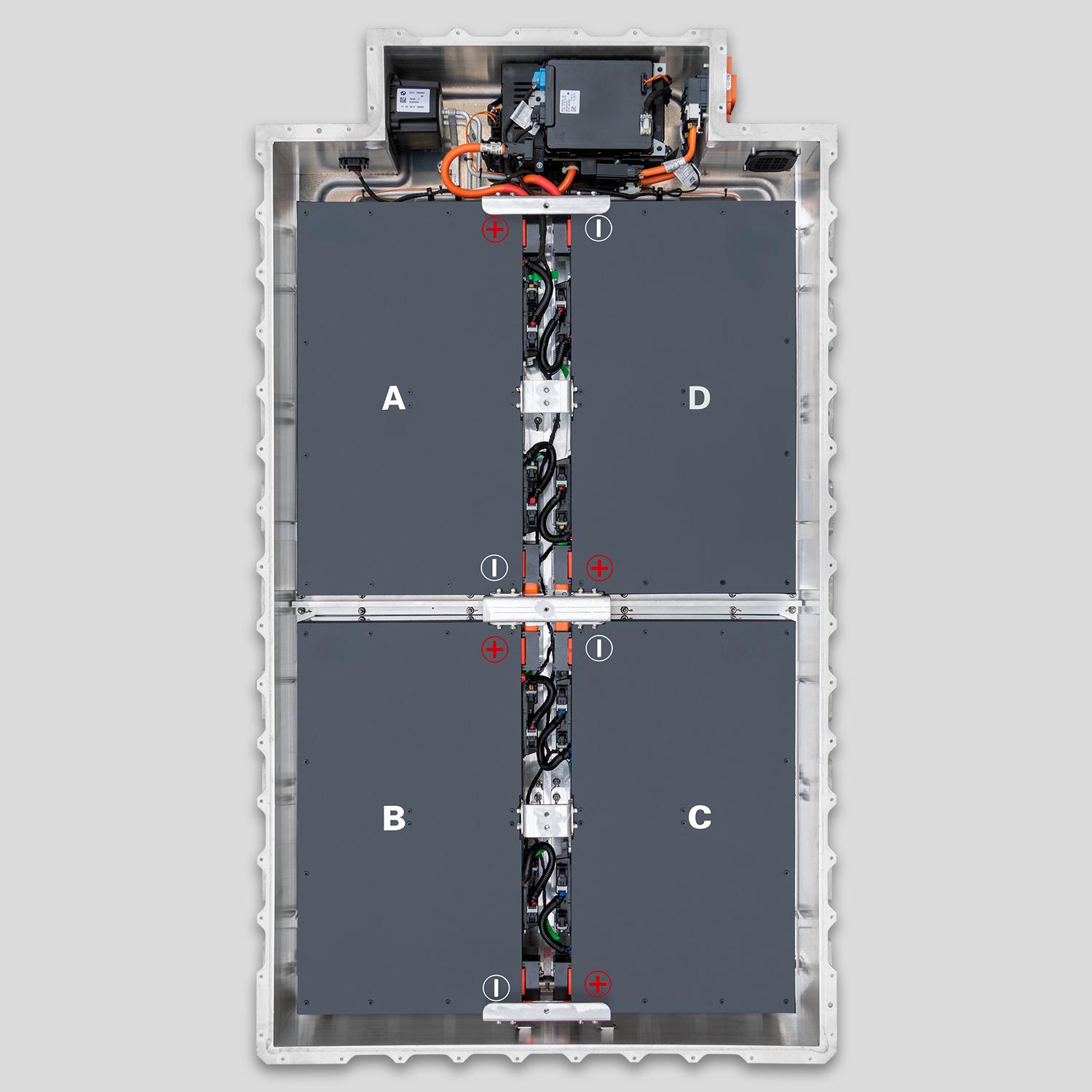
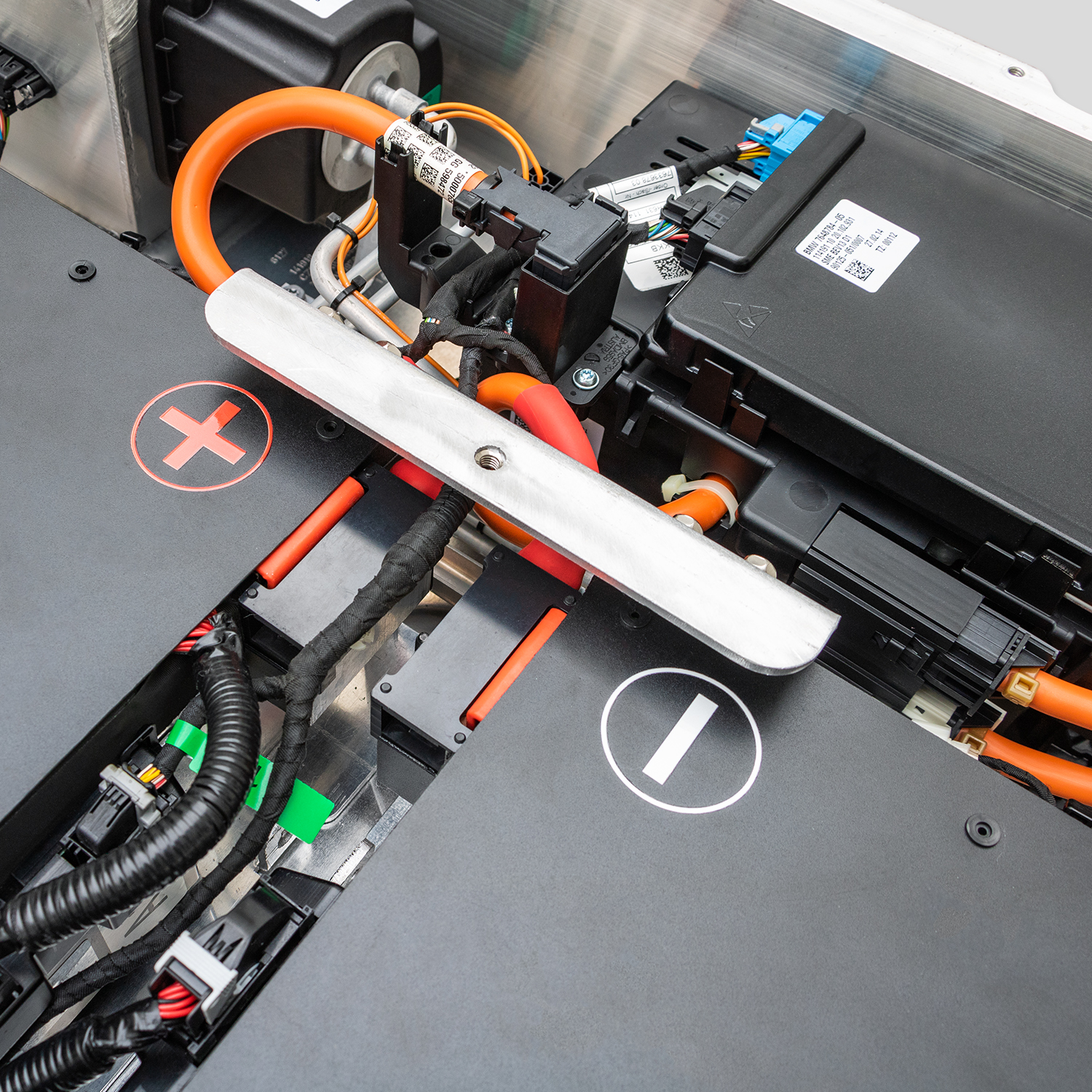
3. Failing Busbar Connections or Contactors
Loose, corroded, or fatigued high-current connections create resistance hotspots, mimicking cell failure.
- May cause intermittent drops
- Often missed in basic diagnostics
📊 Pro tip: Use BimmerLink to log minimum voltage during acceleration. Consistent dips below 350V signal trouble.
How to Diagnose the Problem Yourself (No Scan Tool Needed)
You don’t need a dealer visit to start troubleshooting:
Step 1: Monitor Real-Time Voltage
- Install BimmerLink (iOS/Android)
- Go to HV Battery → Live Data
- Note “Min Voltage During Drive” after a highway run
Step 2: Check Cell Balance
- In BimmerLink, view individual module voltages
- Any module >0.3V below others? → Imbalance confirmed
Step 3: Test Under Load
- Drive at 65+ mph for 5 minutes
- Observe if power cuts out or regen disables
- If yes, voltage likely collapsed below safety threshold
🛑 Warning: If you see repeated limp-mode events, stop driving. Continued stress can damage the inverter.
Why Refurbished Packs Often Make Voltage Drop Worse
Many budget suppliers rebuild packs using:
- Mismatched used cells with varying IR
- Aged modules that can’t sustain current
- Poor welds on busbars—adding resistance
Result?
- Higher voltage sag than the original OEM pack
- Unstable performance in cold or hilly terrain
- Short lifespan before symptoms return
💡 Fact: Independent tests show refurbished i3 packs average 22% higher internal resistance than new-cell units.
How CNS BATTERY Ensures Stable Voltage Delivery
We engineer every pack to minimize resistance and maximize consistency:
✅ Brand-new CATL NMC 811 cells—low IR, uniform performance
✅ Laser-welded copper busbars—minimal connection resistance
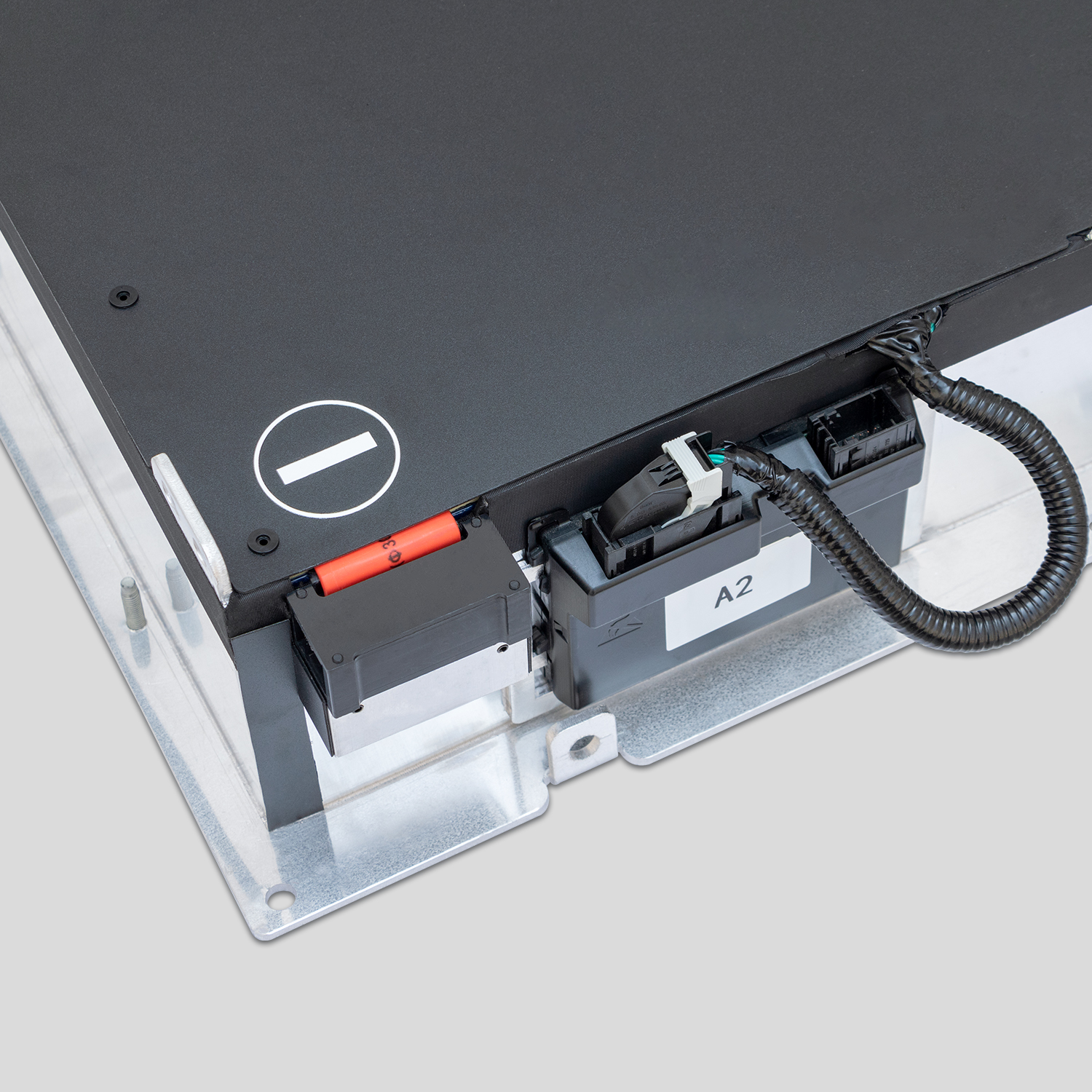
✅ Precision module matching—all cells within 1mV at rest
✅ Robust thermal interface—prevents overheating under sustained load
Owners report:
- No power reduction even during aggressive highway merging
- Stable 370V+ under full acceleration
- Full regen availability in all conditions
“My old pack would cut power climbing hills. The CNS 62kWh holds voltage like a rock—even with AC on and towing my bike rack.”
— Thomas B., Amsterdam
Frequently Asked Questions: i3 Voltage Drop
Q: Can software updates fix voltage drop?
A: No—they can’t restore degraded cell chemistry or reduce internal resistance.
Q: Does cold weather cause permanent voltage drop?
A: Temporarily, yes—but a healthy pack recovers when warmed. Persistent drop = cell wear.
Q: Will a weak 12V battery cause HV voltage issues?
A: Indirectly—yes. A failing 12V system can disrupt BMS communication, triggering false limits.
Q: How low is too low for i3 pack voltage?
A: Sustained operation below 320V risks inverter shutdown. Below 280V, deep discharge damage occurs.
Q: Can I drive if voltage drops occasionally?
A: Not recommended. Each event stresses the inverter and accelerates pack failure.
Don’t Wait for a Breakdown to Confirm Failure
Voltage drop isn’t “just how old i3s behave.”
It’s your battery begging for help—before it quits entirely.
Restore Confident, Uninterrupted Power—From City Streets to Mountain Passes
If your i3 hesitates when you need it most, it’s not your imagination—it’s your cells.
CNS BATTERY replaces uncertainty with new-cell stability, so every press of the pedal delivers the power you expect.
Drive with authority. Replace with confidence:
👉 https://cnsbattery.com/ev-battery-home/ev-battery-contact/