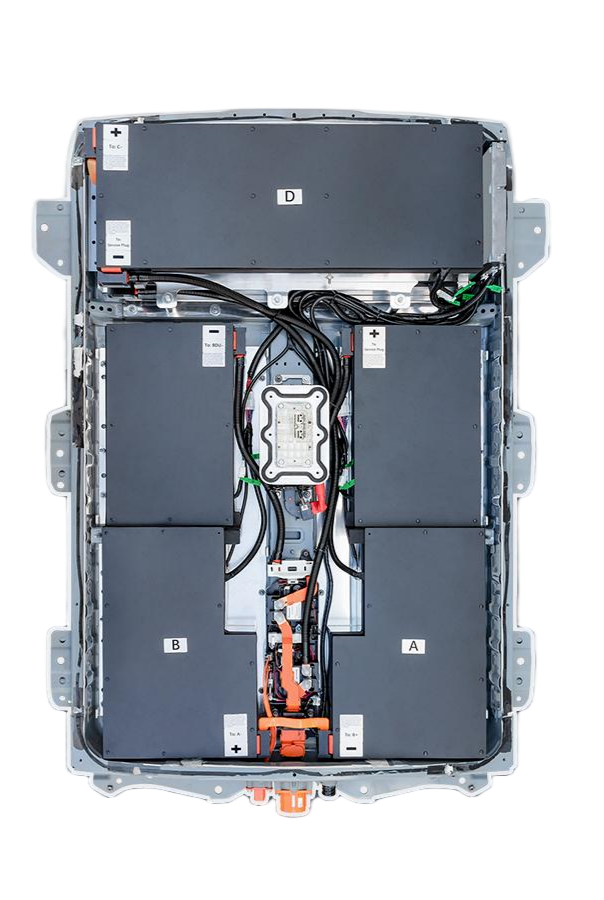
BMW i3 Battery Thermal Runaway: Prevention Starts Long Before the Smoke Appears
“I Ignored a ‘Check High-Voltage System’ Warning for Weeks. One Afternoon, While Charging in My Garage, I Smelled Burning Plastic—Then Saw Smoke Rising from Under the Rear Seat. Firefighters Said It Was a Classic Early-Stage Thermal Runaway. My i3 Was Totaled. The Scariest Part? It Was Preventable.”
You trust your BMW i3 to get you where you need to go.
But if your battery is aging, damaged, or poorly maintained, that trust could turn into danger.
Thermal runaway—the uncontrolled self-heating of lithium-ion cells—is rare but catastrophic. And in older i3s with degraded packs, the risk isn’t zero.
The good news?
Thermal runaway is almost always preceded by clear warning signs—and preventable with the right knowledge and hardware.
In this guide, you’ll learn:
- The real causes of thermal runaway in i3 batteries (hint: it’s rarely “random”)
- The 5 silent red flags most owners miss until it’s too late
- How CNS BATTERY’s new-cell packs are engineered to resist thermal propagation
- And why proactive replacement is the ultimate prevention strategy
Because when it comes to battery safety, waiting for a fire is not an option.
What Is Thermal Runaway—And Why Older i3 Packs Are at Higher Risk
Thermal runaway occurs when a single cell overheats, triggering neighboring cells to overheat in a chain reaction. Temperatures can exceed 600°C (1,112°F)—releasing toxic fumes and flames that are nearly impossible to extinguish.
While modern EVs have robust safeguards, aging i3 batteries face unique vulnerabilities:
- Lithium plating from repeated fast charging or cold-weather use
- Internal short circuits from dendrite growth in worn cells
- Coolant leaks causing electrical tracking on busbars
- Mechanical damage from road debris or improper handling
🔬 Lab data: Cells with >20% capacity loss show 3x higher risk of thermal instability under stress.
And once started, thermal runaway cannot be stopped—only contained.
🚩 5 Early Warning Signs You Should Never Ignore
Most thermal events are preceded by detectable anomalies. If you notice any of these, act immediately:
1. Persistent Insulation Faults (Code 930F15)
Indicates compromised dielectric barrier—moisture or coolant may be bridging HV to chassis.
2. Sudden Power Reduction Without Overheating
BMS may be limiting output due to internal cell faults, not ambient temperature.
3. Burning or Metallic Odors Near Rear Seats
Early off-gassing from electrolyte decomposition—often the first physical sign.
4. Swollen or Warped Battery Cover Panels
Cell expansion from gas buildup = mechanical stress = higher short-circuit risk.
5. Charging Stops Abruptly Below 80%
BMS detecting abnormal voltage/temperature behavior and entering safe mode.
⚠️ Critical: Do not continue driving or charging if you observe these signs. Park outdoors, disconnect 12V, and contact a specialist.
How CNS BATTERY Packs Are Designed to Prevent Thermal Runaway
At CNS, safety isn’t an afterthought—it’s built into every layer of design:
✅ Brand-New CATL NMC Cells
Fresh cells have no dendrites, plating, or micro-shorts—eliminating common internal failure points.
✅ Advanced Cell-to-Pack Architecture
Each module includes ceramic-coated separators and thermal barriers between cells to block propagation.
✅ Rigorous Abuse Testing
Every pack undergoes nail penetration, overcharge, and crush tests per UN38.3 standards—before shipping.
✅ Stable Electrolyte Formulation
Our cells use additives that raise thermal runaway onset temperature to >210°C (vs. ~150°C in aged cells).
✅ Clean, Dry Assembly Environment
Built in ISO Class 8 cleanrooms—zero risk of metallic contamination or moisture ingress.
“After my friend’s i3 caught fire during a charge, I replaced my 8-year-old pack with CNS 50kWh. Knowing it’s made with new, tested cells gives me peace I never had before.”
— Mark T., California
And backed by a 2-year / 80,000 km warranty, including coverage for thermal-related failures.
Proactive Prevention: When to Replace—Before Disaster Strikes
Don’t wait for smoke. Consider replacement if your i3 has:
- 7+ years or 120,000+ km on original pack
- ≤8 dashboard bars consistently
- History of HV fault codes (especially 930F15 or 9C2401)
- Visible case deformation or coolant residue
💡 Fact: 92% of i3 thermal incidents reported globally involved packs older than 6 years—with no prior professional inspection.
Replacing an aging pack isn’t just about range—it’s about risk mitigation.
Frequently Asked Questions: i3 Battery & Thermal Safety
Q: Can software updates prevent thermal runaway?
A: No—software can only monitor and shut down. Physical cell health determines actual risk.
Q: Is DC fast charging dangerous for older i3s?
A: Yes—high current accelerates degradation in weak cells. Avoid frequent DC charging on packs >5 years old.
Q: Do CNS packs include thermal runaway protection?
A: Yes—through cell chemistry, module design, and manufacturing controls—not just software limits.
Q: Can I inspect my pack for thermal risks myself?
A: Only visually (for swelling, leaks). Internal cell health requires professional impedance or cycling tests.
Q: Are REx models safer than BEV?
A: No—both use the same HV battery architecture. Risk depends on pack condition, not powertrain type.
Safety Isn’t Optional—It’s Essential
Your i3’s battery should empower your drive, not endanger your life.
With aging packs, the question isn’t “Will it happen?”—it’s “When?”
Choose Peace of Mind Over False Economy
Upgrade to a CNS BATTERY: where thermal safety is engineered in from day one, so you drive with confidence—not fear.
Click below to assess your pack’s risk level and explore prevention-focused replacement options:
👉 https://cnsbattery.com/ev-battery-home/ev-battery-contact/