BMW i3 Battery Thermal Runaway: 5 Critical Prevention Steps Every Owner Must Know
You’ve heard the headlines: “EV catches fire in garage.” “Battery erupts after minor collision.” While rare, thermal runaway—a self-sustaining chain reaction inside lithium-ion cells—is the nightmare scenario every electric vehicle owner fears.
But here’s what most guides won’t tell you: in a well-maintained BMW i3 with a healthy battery, thermal runaway is extremely unlikely. The real risk spikes when packs are aged, damaged, or built with compromised cells.
If your i3 is over five years old—or you’re considering a used or refurbished battery—you need to understand not just what thermal runaway is, but how to prevent it before it starts.
As CNS BATTERY engineers who’ve tested thousands of i3 packs, we’ll share the science-backed steps that keep your car safe—and why your choice of replacement battery matters more than you think.
What Is Thermal Runaway—And Why It’s Rare (But Serious)
Thermal runaway occurs when a single lithium-ion cell overheats—due to internal short, physical damage, or manufacturing defect—triggering neighboring cells to overheat in a cascading reaction. Temperatures can exceed 600°C (1,112°F), releasing flammable gases and potentially causing fire.
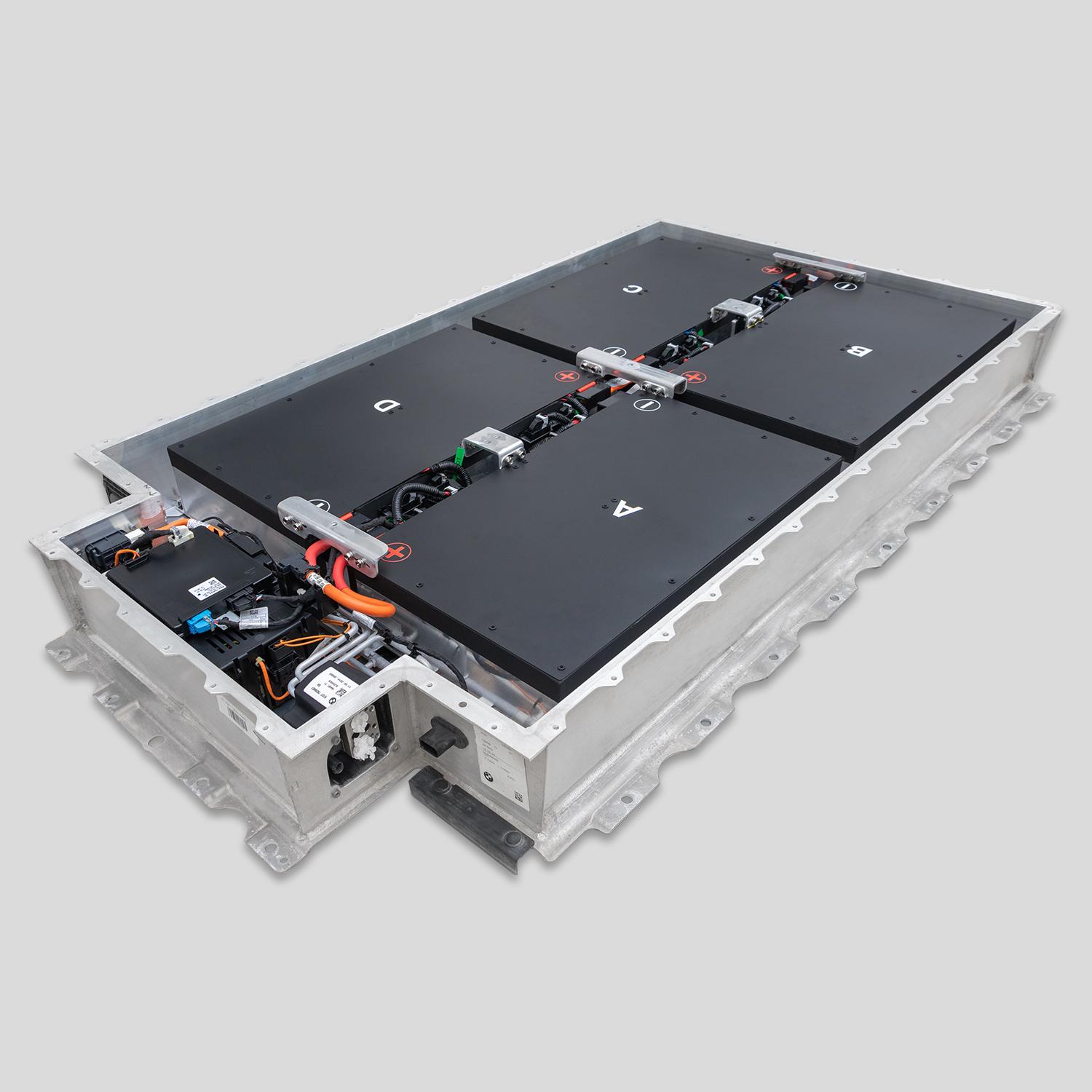
The BMW i3’s original battery includes multiple safeguards:
- Cell-level fuses
- Thermal barriers between modules
- Active liquid cooling system
- BMS that cuts power at abnormal temps
Yet these systems assume the cells themselves are intact and stable. Once cells degrade or are poorly manufactured, those defenses can be overwhelmed.
🔥 Critical Insight: Most real-world EV thermal events trace back to recycled, mismatched, or low-quality cells—not OEM-grade packs under normal use.
5 Proven Ways to Prevent Thermal Runaway in Your BMW i3
1. Never Use Refurbished or “Repaired” Battery Packs
Many budget sellers rebuild i3 batteries using salvaged cells from crashed or degraded vehicles. These cells may have:
- Micro-cracks in separators
- Unknown charge cycles
- Inconsistent chemistry
Even one weak cell can become a thermal hotspot. Always choose brand-new, certified cells—like the CATL ternary lithium cells used in every CNS BATTERY pack.
2. Monitor for Warning Signs of Internal Damage
Don’t wait for smoke. Watch for:
- Sudden range drop without explanation
- Swollen battery casing (check under rear seats)
- Burning smell near the pack or vents
- Repeated “High-Voltage System” warnings
These can indicate cell venting or electrolyte breakdown—early stages of thermal instability.
3. Avoid Extreme Charging Habits
While occasional DC fast charging is safe, daily 150kW+ sessions on an aging pack accelerates wear. For daily use:
- Charge to 80–90% (not 100%)
- Use AC Level 2 whenever possible
- Never leave the car plugged in at 100% in >35°C (95°F) heat
Heat + high state-of-charge = stress on cells.
4. Inspect High-Voltage Cables Regularly
A loose or corroded connector can cause arcing, generating intense localized heat. Check:
- Orange service disconnect handle (ensure fully seated)
- Inverter and battery terminal bolts (no melting/discoloration)
- Cable shielding (no rodent damage or fraying)
If you see white powder or melted plastic—stop driving immediately.
5. Replace Aging Packs Before They Become Risky
Original i3 batteries (especially 2014–2017 models) often show significant degradation by 80,000 km or 7 years. As cells age:
- Internal resistance rises → more heat during discharge
- Electrolyte breaks down → gas buildup
- Separator integrity weakens → higher short-circuit risk
Replacing a worn pack isn’t just about range—it’s a safety upgrade.
Why CNS BATTERY Packs Are Engineered for Thermal Safety
When you choose a CNS replacement battery, you’re not just getting capacity—you’re getting multi-layered thermal protection:
✅ Brand-new CATL cells – rigorously tested for internal defects
✅ Ceramic-coated separators – delay thermal propagation
✅ Precision module balancing – prevents hot spots from overworked cells
✅ Factory-calibrated BMS – shuts down at 60°C cell temp (well below danger zone)
✅ Robust aluminum casing with thermal barriers – contains issues if they arise
We don’t cut corners—because safety isn’t optional.
As EK Auto Repair in Rome notes: “After switching to CNS packs, we’ve had zero thermal-related callbacks in over two years—unlike other suppliers whose ‘budget’ packs triggered repeated warnings.”
Your Peace of Mind Starts With the Right Battery
Thermal runaway sounds scary—but with informed choices, it’s largely preventable. The single biggest step? Never compromise on battery quality.
Your BMW i3 deserves a pack built to last, not one built to sell cheap.
Want to Verify Your Battery’s Safety Status?
Send us your i3’s model year, current range, and any unusual symptoms. Our engineers will assess your thermal risk—and recommend whether a proactive upgrade makes sense.
👉 Contact CNS BATTERY Safety Experts Now
FAQ: BMW i3 Battery Thermal Safety
Q: Can software updates prevent thermal runaway?
A: They can improve BMS response—but cannot fix degraded or defective cells. Hardware quality is foundational.
Q: Are liquid-cooled packs safer than air-cooled?
A: Yes. The i3’s liquid cooling maintains even temperatures, reducing hot spots. But if coolant leaks or pumps fail, risk increases—so inspect hoses annually.
Q: Does CNS test for thermal runaway resistance?
A: Every batch undergoes nail penetration, overcharge, and crush tests per UN38.3 standards. We reject any cell lot that doesn’t meet CATL’s strict thermal stability criteria.
Q: Is it safe to park my i3 in a garage?
A: Yes—if the battery is healthy. Avoid garages with poor ventilation only if you suspect damage or have active warning lights.
Q: What should I do if I smell burning near my i3?
A: Evacuate immediately. Do not open the hood or touch orange cables. Call emergency services. Thermal events can escalate within minutes.