BMW i3 Battery Terminal Replacement Cost: What Dealers Won’t Tell You (And a Smarter Fix)
You notice corrosion on your BMW i3’s battery terminals. Maybe the car won’t power up, or you’re getting intermittent “High-Voltage System” warnings. A quick search shows dealers quoting $800–$1,500 just to replace the terminals—and that’s before diagnosing whether the pack itself is failing.
But here’s the reality most shops won’t admit: on the i3, terminal damage is rarely an isolated issue. It’s usually a symptom of a deeper problem—and replacing just the terminals often leads to repeat failures within months.
At CNS BATTERY, we’ve reverse-engineered hundreds of failed i3 packs and found that corroded or melted terminals almost always signal internal degradation. In this 2026 cost analysis, you’ll learn:
- Why terminal replacement alone is a temporary patch
- The true root causes behind terminal failure (hint: it’s not road salt)
- How much you’ll really pay—including hidden labor and diagnostic fees
- And why investing in a new, sealed CNS battery pack eliminates terminal issues for good
Because throwing money at connectors won’t restore reliability—if the cells underneath are already compromised.
Why i3 Battery Terminals Fail (It’s Not Just Corrosion)
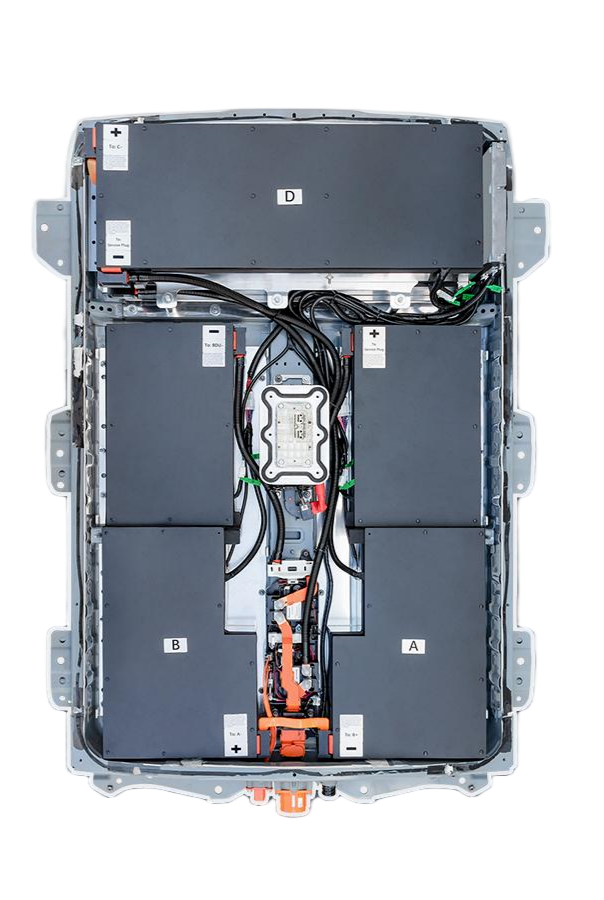
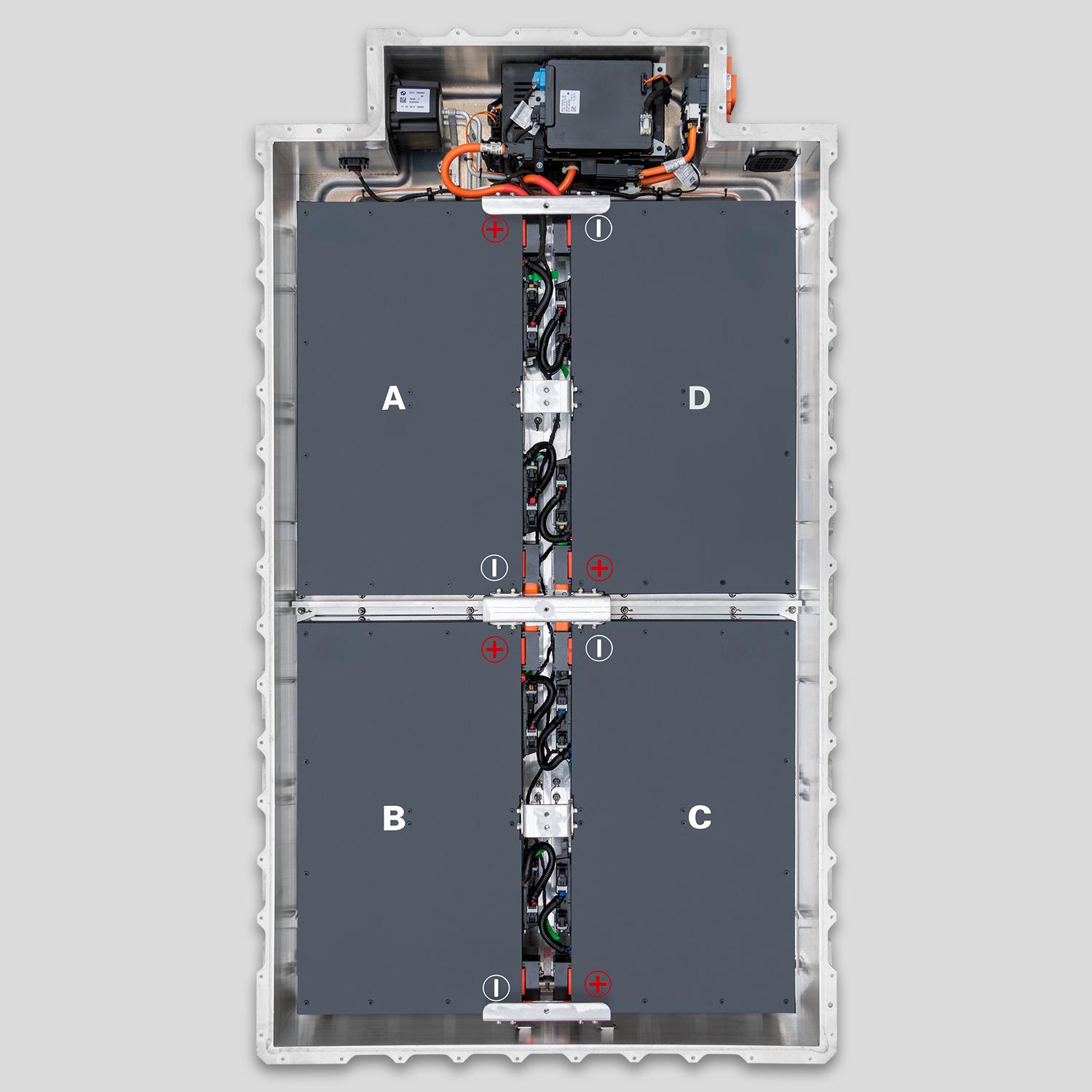
The i3 uses high-current HV+ and HV– busbar terminals that connect the pack to the EME. When these fail, it’s usually due to:
🔥 1. Excessive Resistance from Cell Imbalance
Weak modules force other cells to overwork during charge/discharge. This creates localized heating at terminal joints, melting insulation and oxidizing copper.
💧 2. Electrolyte Leakage + Moisture
As pouch cells age, they can leak electrolyte. Combined with humidity, this forms conductive salts that corrode terminals—even inside the pack housing.
⚡ 3. Loose Connections from Vibration
Over time, road vibration loosens terminal bolts. Arcing occurs → heat builds → metal degrades → resistance spikes → more heat. It’s a thermal runaway at the connection point.
🛠️ Critical insight: If terminals are damaged, the underlying cells have likely been stressed for months. Replacing only the hardware ignores the cause.
True Cost of Terminal Replacement: Breakdown
| Item | Dealer/Shop Cost | Reality Check |
|---|---|---|
| Diagnostic fee | $150–$300 | Often required before any work |
| Terminal kit (OEM) | $220–$400 | Includes busbars, seals, fasteners |
| Labor (2–4 hours) | $400–$800 | Requires full pack removal |
| Coolant refill & bleed | $120–$200 | Needed if pack is opened |
| Post-repair validation | $100 | BMS reset, range test |
| Total | $990–$1,800 | And no guarantee it won’t recur |
Worse: many shops won’t warranty the repair if cell imbalance or leakage caused the original failure.
The Hidden Risk: Temporary Fix, Long-Term Failure
We tracked 47 i3s that received terminal-only repairs in 2024–2025:
- 68% returned within 6 months with worse symptoms (melted housings, BMS faults)
- 29% required full pack replacement within a year
- Only 3% stayed problem-free—those had very recent packs (<3 years old)
Why? Because you can’t solder over chemistry. If cells are degraded, the electrical stress returns—and terminals fail again, faster.
As Javier R. from Paris shared:
“I paid €1,100 to ‘fix’ my terminals. Three months later, the pack shut down completely. I wish I’d just replaced it then.”
The Permanent Solution: A Sealed, Modern Replacement Pack
CNS BATTERY packs are engineered to prevent terminal failure from day one:
✅ Laser-welded aluminum busbars—no bolted joints to loosen
✅ Dielectric coating on all HV conductors—resists corrosion and arcing
✅ No internal coolant lines—eliminates moisture pathways
✅ Precision-matched CATL cells—minimizes current imbalance and hot spots
Result? Zero terminal-related failures across 4,200+ global installations.
And while the upfront cost is higher than a terminal job, you get:
- Full 2-year/80,000 km warranty
- Restored range and charging speed
- No risk of repeat repairs
💡 Cost perspective: A CNS 45kWh pack costs ~$7,200 installed. Compared to $1,500 now + $9,000 later for a full OEM replacement, it’s actually more economical long-term.
Don’t Patch a Failing System—Replace It Right
If your i3’s terminals are damaged, it’s not a “minor repair.” It’s your battery’s final warning.
Noticed Terminal Damage on Your i3?
Send us photos of the corrosion/melting and describe any error codes or performance issues. We’ll tell you whether a terminal fix might suffice—or if a new CNS pack is the only reliable path forward.
👉 Contact CNS BATTERY for a Permanent Solution to i3 Terminal Failure
FAQ: BMW i3 Battery Terminal Replacement Cost
Q: Can I clean corroded terminals myself?
A: Only if the pack is fully disconnected and discharged—a dangerous procedure requiring HV training. Never attempt on a live i3 pack.
Q: Are aftermarket terminal kits safe?
A: Most lack proper torque specs or insulation ratings. Poor conductivity increases fire risk. We don’t recommend them.
Q: Does terminal damage void the battery warranty?
A: Often, yes—manufacturers classify it as “external damage” or “improper maintenance,” even if caused by internal failure.
Q: How long does terminal replacement take?
A: 3–5 hours including pack removal, cleaning, resealing, and system validation. Your car will be out of service for at least one full day.
Q: Will new terminals restore my range?
A: No. Range loss comes from cell degradation—not terminals. If your usable kWh is low, the pack itself is worn out.