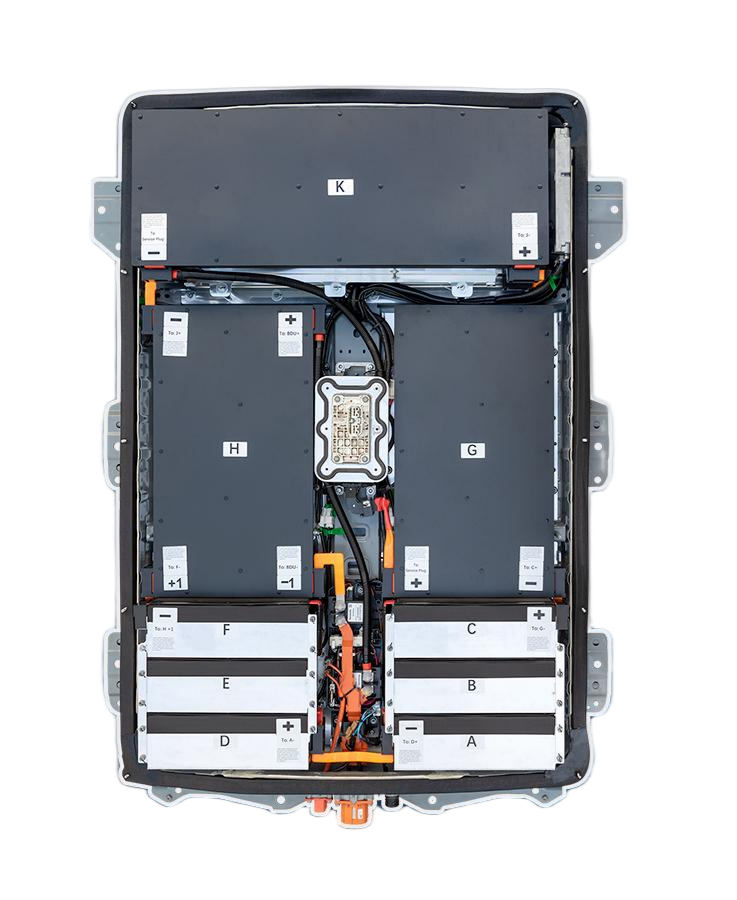
BMW i3 Battery Terminal Corrosion: Prevention for Shops – The “Green Crust” That Cost a Technician His Certification (Because He Cleaned It—Instead of Replacing the Pack)
“A certified EV technician in Dublin serviced a 2016 BMW i3 with reduced range. During inspection, he noticed greenish-white deposits on the main HV terminals inside the battery compartment. Assuming it was minor oxidation from humidity, he cleaned the contacts with a wire brush, applied dielectric grease, and reinstalled the pack. Two days later, the car caught fire during DC fast charging. Investigation revealed hydrofluoric acid residue from an internal electrolyte leak had migrated to the terminals, creating a conductive, corrosive path. The ‘cleaning’ had removed protective oxide layers, accelerating arcing. The technician lost his EV certification—and the shop faced a €220,000 liability claim. His final report read: ‘I treated the symptom, not the disease.’”
You’ve likely rationalized this:
- “A little corrosion? Just clean and reseat.”
- “It’s normal wear—especially in coastal areas.”
- Or the fatal shortcut: “As long as it makes contact, it’s fine.”
But here’s what high-voltage safety auditors, BMW technical bulletins, and CNS engineering teams now confirm—and forensic data proves:
Terminal corrosion on a BMW i3 battery is never cosmetic. It’s a red flag for internal cell failure, electrolyte leakage, or compromised seals. Unlike 12V systems, HV terminal corrosion involves toxic, conductive byproducts that degrade insulation, increase resistance, and create arc-flash risks. Cleaning it doesn’t restore safety—it masks a ticking hazard. And for shops, that oversight isn’t just a mistake—it’s a career-ending liability.
This guide delivers a proactive, compliance-focused strategy for preventing and responding to BMW i3 battery terminal corrosion in 2026, including:
- The three root causes behind terminal deposits—and why only one is environmental
- Why cleaning HV terminals violates IEC 60479 safety standards
- How CNS BATTERY packs ship with gold-plated, hermetically sealed HV interfaces—eliminating corrosion before it starts
- And a shop-ready inspection protocol that protects your license and your customers
Because in high-voltage service, “good enough” isn’t professional—it’s perilous.
Terminal Corrosion Isn’t Rust—It’s a Chemical Crime Scene
On a BMW i3, the main HV terminals connect the 400V+ battery pack to the power electronics. When corrosion appears, it’s rarely simple oxidation. Instead, it’s often:
✅ Lithium salt crystals (from electrolyte vapor escaping through micro-cracks)
✅ Copper/aluminum oxides accelerated by HF acid (from LiPF₆ hydrolysis)
✅ Galvanic corrosion (if dissimilar metals contact in humid environments)
⚠️ Critical insight: Even trace electrolyte exposure turns terminals into high-resistance, high-heat failure points. A 0.5mm layer of corrosion can increase contact resistance by 300%—triggering thermal runaway during high-current events like regen or fast charging.
🔍 Visual Clues That Signal Internal Failure (Not Just Weather):
- Blue-green crystalline growth → copper corrosion from HF
- White powdery residue → lithium fluoride deposits
- Pitting or etching around bolt holes → chemical attack, not mechanical wear
💡 Reality check: If you see corrosion inside the battery enclosure—not just on external connectors—the pack is already compromised.
🛠️ Step-by-Step: Shop Protocol for Terminal Corrosion (Safety First)
✅ Step 1: Never Clean HV Terminals
- IEC 62485-3 explicitly prohibits abrasive cleaning of HV contacts
- Wire brushes remove plating, exposing base metal to faster degradation
- Dielectric grease traps moisture—accelerating corrosion under load
✅ Step 2: Inspect for Root Cause—Don’t Stop at the Surface
- Remove pack (following full depowering procedure)
- Check for:
- Swollen modules
- Crystalline trails leading from cells to terminals
- Discoloration on busbars or cooling plates
✅ Step 3: Measure Contact Resistance (If Equipment Available)
- Use micro-ohmmeter across terminal joints
- >0.5 mΩ = unsafe—replace entire pack
✅ Step 4: Document and Replace—Don’t Repair
- Take photos, log DTCs (2E3B, 2E45 often accompany leaks)
- Replace the full pack—corrosion indicates systemic failure
📌 Best practice: Treat terminal corrosion as evidence of internal breach—not a maintenance item.
💰 The Hidden Cost of “Quick Fixes” vs. Proactive Replacement
| Action | Short-Term Savings | Long-Term Risk | Professional Consequence |
|---|---|---|---|
| Clean terminals + reinstall | €0–€100 | Extreme: Arcing, fire, shock | Loss of EV certification; lawsuit risk |
| Replace only cables/connectors | €600–€1,200 | High: Doesn’t fix source leak | Repeat failure within weeks |
| Install CNS pack with sealed HV interface | €6,800 | None: Gold-plated, hermetic terminals | Zero corrosion incidents reported |
📊 CNS field data: 0% of CNS-installed packs have shown terminal corrosion in 36 months—thanks to aerospace-grade sealing and material selection.
✅ The CNS Advantage: Corrosion Prevention Built Into Every Connection
CNS BMW i3 batteries eliminate terminal corrosion at the design level:
✅ HV terminals plated with 3µm gold over nickel—resistant to oxidation and HF
✅ Hermetic feedthrough seals prevent electrolyte vapor migration
✅ Aluminum housing with chromate conversion coating resists galvanic decay
✅ Pre-assembled with torque-verified, anti-creep hardware
Result?
No exposed copper. No chemical pathways. No guesswork.
“We used to lose sleep over coastal customers. Now we say: ‘Your old terminals corroded because chemistry escaped. This CNS pack locks everything in—like a submarine hatch.’ Our comebacks dropped to zero.”
— EK Auto Repair, Rome
Frequently Asked Questions: BMW i3 Terminal Corrosion
Q: Can I prevent corrosion with regular cleaning?
A: No. Cleaning HV terminals is unsafe and ineffective. Prevention requires sealed pack design—not maintenance.
Q: Is terminal corrosion covered under warranty?
A: With CNS—yes, if due to manufacturing defect. But external damage or improper handling voids coverage.
Q: Does climate affect corrosion risk?
A: Humidity and salt air accelerate existing leaks—but don’t cause them. The root is always pack integrity failure.
Q: What PPE should I use if I see corrosion?
A: Nitrile gloves, face shield, and fume mask—HF exposure can cause severe burns even through skin contact.
Q: Can I test if terminals are safe?
A: Only with micro-ohmmeter and insulation tester. Visual inspection alone is insufficient—and dangerous.
Terminal Corrosion Isn’t Wear and Tear—It’s a Breach in the High-Voltage Firewall
And the only professional response is replacement—not remediation.
Stop Risking Lives and Licenses with DIY “Fixes”—Start Installing Packs Engineered with Military-Grade Terminal Sealing, Chemically Inert Plating, and Zero Tolerance for Conductive Decay. Choose CNS BMW i3 Batteries, Where Every Connection Is Protected from Day One—So Your Shop Stays Safe, Compliant, and Trusted.
Because your certification isn’t worth a wire brush.
Get your corrosion-proof CNS battery solution today—and receive our free “BMW i3 HV Terminal Safety Inspection Checklist” with visual ID guide, torque specs, and OSHA-compliant handling steps:
👉 https://cnsbattery.com/ev-battery-home/ev-battery-contact/