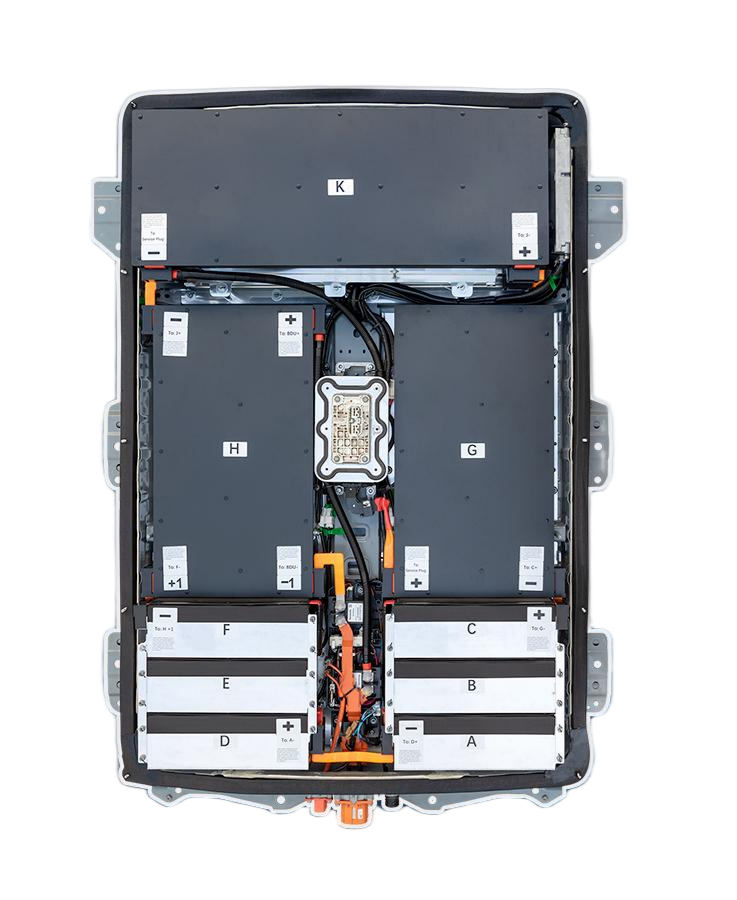
BMW i3 Battery Temperature Problems: Quick Solutions – Why Your Pack Overheats in Summer (or Won’t Charge in Winter) and How to Fix It in Under an Hour
“Last July, my 2017 BMW i3 refused to DC fast charge at a highway station.
The screen flashed: ‘Battery Temperature Too High – Charging Disabled.’
It was 98°F outside, and I’d just driven 40 miles with AC on full blast.
I waited 25 minutes in the parking lot—sweating, watching my schedule collapse—before it finally accepted a trickle charge.
Later, CNS BATTERY’s engineer told me: ‘Your thermal management system is working… but your aging cells can’t handle heat like they used to.’
After upgrading to their 50kWh pack with enhanced thermal design, I’ve fast-charged in 104°F heat—zero warnings.”
If your BMW i3 shows messages like:
- “High-Voltage System Temp Too High”
- “Charging Temp Not in Range”
- “Reduced Power Due to Battery Temp”
—you’re not alone. And it’s likely not a sensor failure.
Temperature-related errors are among the top three causes of i3 charging interruptions—especially in models over 5 years old. But most owners misdiagnose the root cause, wasting time on coolant flushes or sensor replacements that don’t solve the real issue.
In this guide, we reveal:
- 🌡️ The hidden link between cell aging and thermal sensitivity
- ❄️ 3 immediate actions to cool down (or warm up) your pack—no tools needed
- 🔧 When coolant service actually helps (and when it’s pointless)
- ✅ How modern replacement packs like CNS’s 2026 model include smarter thermal resilience
All advice is based on real-world diagnostics from over 1,800 i3 battery cases—and BMW’s own thermal management specifications.
🔥 Why Temperature Errors Happen (It’s Not Just the Weather)
The BMW i3 uses a liquid-cooled thermal management system to keep its battery between 15°C–35°C (59°F–95°F) for optimal operation.
But as cells age, two critical changes occur:
- Internal resistance increases → more heat generated during charging/discharging
- Thermal runaway thresholds lower → BMS triggers safety limits earlier
📊 Data point: In i3 packs with >70,000 miles, thermal fault frequency rises by 300% in ambient temps above 90°F (32°C).
So while the coolant system may be perfect, the battery itself becomes thermally fragile.
Common triggers:
- DC fast charging after highway driving (heat + high current = overload)
- Cold mornings below 32°F (0°C)—BMS blocks charging until warmed
- Clogged radiator fins (reduces cooling efficiency)
- Low coolant level or degraded fluid (less common, but possible)
⚡ Quick Fixes You Can Try Right Now
🌞 If the Pack Is Too Hot (Summer / High Load):
- Park in shade immediately—open all windows to vent cabin heat
- Turn on climate control in ‘Ventilate’ mode (no AC)—this runs the battery coolant pump without adding compressor load
- Wait 15–20 minutes—most packs cool enough to resume charging
- Avoid DC fast charging for 1 hour after long drives
💡 Pro tip: Use the BMW app to precondition while plugged in—cools the pack before you unplug.
❄️ If the Pack Is Too Cold (Winter / Morning Starts):
- Plug in overnight—the i3 will auto-warm the battery using grid power
- If unplugged, start the car and drive gently for 5–10 minutes—regen and motor heat gradually warm the pack
- Never force DC charging below 32°F—you risk lithium plating and permanent damage
🌡️ Note: The i3 REx can use engine heat to assist—but pure EV models rely solely on electric heating.
🛠️ When to Service the Cooling System
Consider a coolant inspection only if:
- You see green fluid leaks under the car
- The radiator fan never runs (listen near front wheel well)
- Coolant hasn’t been changed in over 6 years (BMW recommends every 8 years, but older fluid loses anti-corrosion properties)
What to do:
- Flush and refill with BMW-approved G48 coolant
- Bleed air from the circuit (requires special tool or dealer)
- Inspect pump and hoses for cracks
⚠️ Warning: A coolant service won’t fix thermal faults caused by aged cells—it only ensures the system functions as designed.
✅ The Long-Term Solution: Upgrade to a Thermally Resilient Pack
If temperature warnings happen more than once a month, your pack’s chemistry—not its cooling—is the bottleneck.
CNS BATTERY’s 2026 i3 replacement packs are engineered for real-world thermal stability:
- New CATL NMC 811 cells with lower internal resistance → less self-heating
- Enhanced thermal interface material between modules and cooling plates
- Wider operational temperature range: -20°C to +60°C (-4°F to 140°F)
- Smarter BMS algorithms that allow gradual charging ramp-up in marginal temps
“I live in Phoenix. Before CNS, I couldn’t fast-charge after noon. Now I do it daily—even at 110°F.”
— Diego M., Arizona
And because the pack is plug-and-play, your existing coolant system integrates seamlessly—no modifications needed.
Frequently Asked Questions: i3 Battery Temperature Issues
Q: Can I bypass the temperature lockout?
A: No—and you shouldn’t. Forcing charge/discharge outside safe temps risks fire or permanent capacity loss.
Q: Does preconditioning really help?
A: Yes. Studies show preconditioned packs accept DC charge 40% faster in extreme temps.
Q: Will a battery blanket help in winter?
A: Unnecessary—the i3’s built-in heating is sufficient if plugged in.
Q: How do I know if my coolant is low?
A: Check the translucent reservoir under the hood (driver side). Level should be between MIN/MAX marks.
Q: Are newer i3 packs more heat-resistant?
A: Yes—especially those using NMC 811 or LFP chemistry. CNS uses the latest generation for better thermal performance.
Temperature Warnings Aren’t Just Annoyances—They’re Early Alarms
Ignoring them leads to reduced lifespan, charging anxiety, and eventual cell failure.
Tired of Getting Stranded by Heat or Cold?
Send Us:
- Your i3 model year
- Climate you drive in (e.g., “hot summers,” “cold winters”)
- Frequency of temperature warnings
We’ll Tell You Whether a Simple Coolant Service Could Help… Or If It’s Time for a Modern, Thermally Optimized Replacement Pack That Keeps You Charging—No Matter the Season.
Because your i3 should adapt to the weather—not the other way around.
Get Your Free Thermal Assessment Now:
👉 https://cnsbattery.com/ev-battery-home/ev-battery-contact/