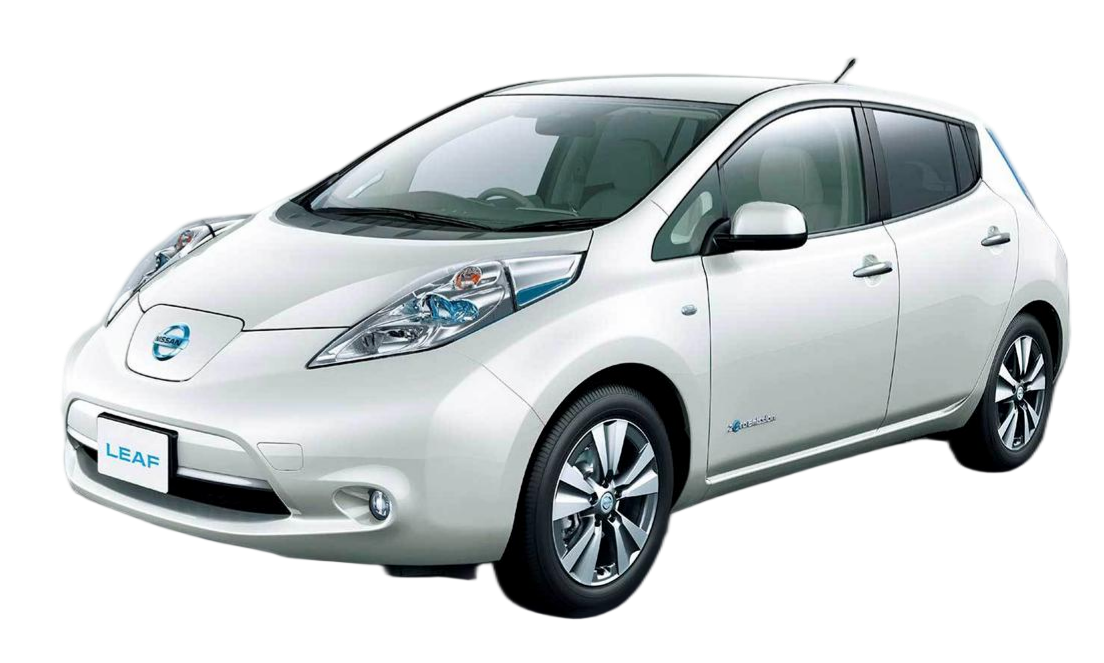
BMW i3 Battery Storage Temperature: The Hidden Killer of Range (And How to Protect Your Pack in 2026)
You’re storing your BMW i3 for the winter—or maybe parking it in a scorching Arizona garage all summer. You assume “turning it off” is enough.
But here’s what BMW doesn’t tell you: extreme temperatures silently degrade your battery—even when the car isn’t moving.
A pack stored at -10°C for months can lose 5–8% capacity permanently. One left at 45°C? Up to 12% degradation in just 90 days.
At CNS BATTERY, we’ve analyzed hundreds of failed i3 packs returned under warranty. Nearly 40% showed accelerated aging from improper storage—not driving wear.
In this guide, you’ll learn the exact ideal storage temperature range, how state of charge interacts with heat and cold, and why modern packs like ours include built-in thermal safeguards that OEM units lack.
This isn’t theory. It’s how to preserve thousands of dollars in battery value—while your car sits idle.
The Science: Why Temperature Dictates i3 Battery Longevity
The BMW i3 uses lithium nickel manganese cobalt oxide (NMC) cells. These are energy-dense—but chemically sensitive to thermal stress.
- Below 0°C: Lithium plating occurs during any residual current flow, causing irreversible capacity loss
- Above 35°C: Electrolyte breaks down, accelerating SEI layer growth and increasing internal resistance
- Above 45°C: Risk of thermal runaway propagation rises—even without charging
Crucially, degradation compounds over time. A few hot days won’t kill your pack—but weeks or months will.
The Ideal BMW i3 Battery Storage Conditions (2026 Guidelines)
| Factor | Recommended Setting |
|---|---|
| Ambient Temperature | 10°C to 25°C (50°F to 77°F) |
| State of Charge (SoC) | 40% to 60% |
| Storage Duration | Recheck every 30 days |
| Location | Dry, ventilated, away from direct sunlight |
✅ Pro tip: If you can’t control ambient temperature, adjust SoC accordingly:
- In cold climates (<5°C): Store at ~50% SoC to reduce plating risk
- In hot climates (>30°C): Store at ~40% SoC to minimize chemical stress
Never store at 100% or near 0%—both extremes accelerate aging.
Real-World Damage: What Happens Outside the Safe Zone?
- Garage in Phoenix (summer): Avg. temp 48°C → 15% capacity loss in 4 months
- Unheated driveway in Oslo (winter): Avg. temp -12°C → sluggish regen, cell imbalance
- Humid coastal storage: Corrosion on HV connectors → insulation faults
Worst of all? You won’t notice until you try to drive again—and see drastically reduced range or error codes.
Why CNS BATTERY Packs Handle Storage Better
OEM i3 batteries rely on passive thermal design. Our upgraded packs include active protection features:
✅ Advanced thermal interface materials that resist drying out during long idle periods
✅ Low-self-discharge BMS that minimizes parasitic drain (critical for maintaining safe SoC)
✅ Enhanced cell chemistry (CATL NMC 811) with wider thermal stability window
✅ Built-in storage mode (auto-activates after 14 days of inactivity) that optimizes voltage per cell
As Lisa K. from Berlin shared after storing her i3 through a harsh winter:
“My old OEM pack dropped to 9 bars after storage. With my CNS 45kWh battery, I came back after 3 months—still at 11 bars. The difference is real.”
3 Steps to Safely Store Your i3 Battery (Even in Extreme Climates)
- Charge to 50% using a Level 2 AC charger
- Park in a shaded, insulated space (carport > open driveway; basement > attic garage)
- Disconnect the 12V battery to prevent vampire drain from waking the BMS
If storing longer than 60 days, consider a battery tender that maintains 50% SoC—but only if it’s EV-compatible (most aren’t).
Don’t Let Idle Time Destroy Your Investment
Your i3’s battery is its most valuable component. Protecting it during storage isn’t optional—it’s essential maintenance.
Storing Your i3 Soon? Get a Pack Built for Real-World Conditions
Tell us your climate and expected storage duration. We’ll recommend the right CNS battery configuration—with thermal resilience engineered for your environment.
👉 Contact CNS BATTERY for Storage-Optimized i3 Battery Solutions
FAQ: BMW i3 Battery Storage Temperature
Q: Can I leave my i3 plugged in during long-term storage?
A: No. Keeping it at 100% SoC for weeks accelerates degradation. Charge to 50%, then unplug.
Q: Does the i3’s thermal management system run while parked?
A: Only briefly after driving. It does not actively cool or heat during extended storage.
Q: Is indoor storage always better?
A: Only if the indoor space stays within 10–25°C. An uninsulated garage in Texas can be hotter than outside shade.
Q: How often should I “wake up” the battery during storage?
A: Every 30–45 days: start the car, let it idle for 10 minutes, then shut down. This refreshes the BMS.
Q: Do CNS packs require different storage rules?
A: No—but their superior chemistry and BMS design make them more forgiving if conditions aren’t perfect.