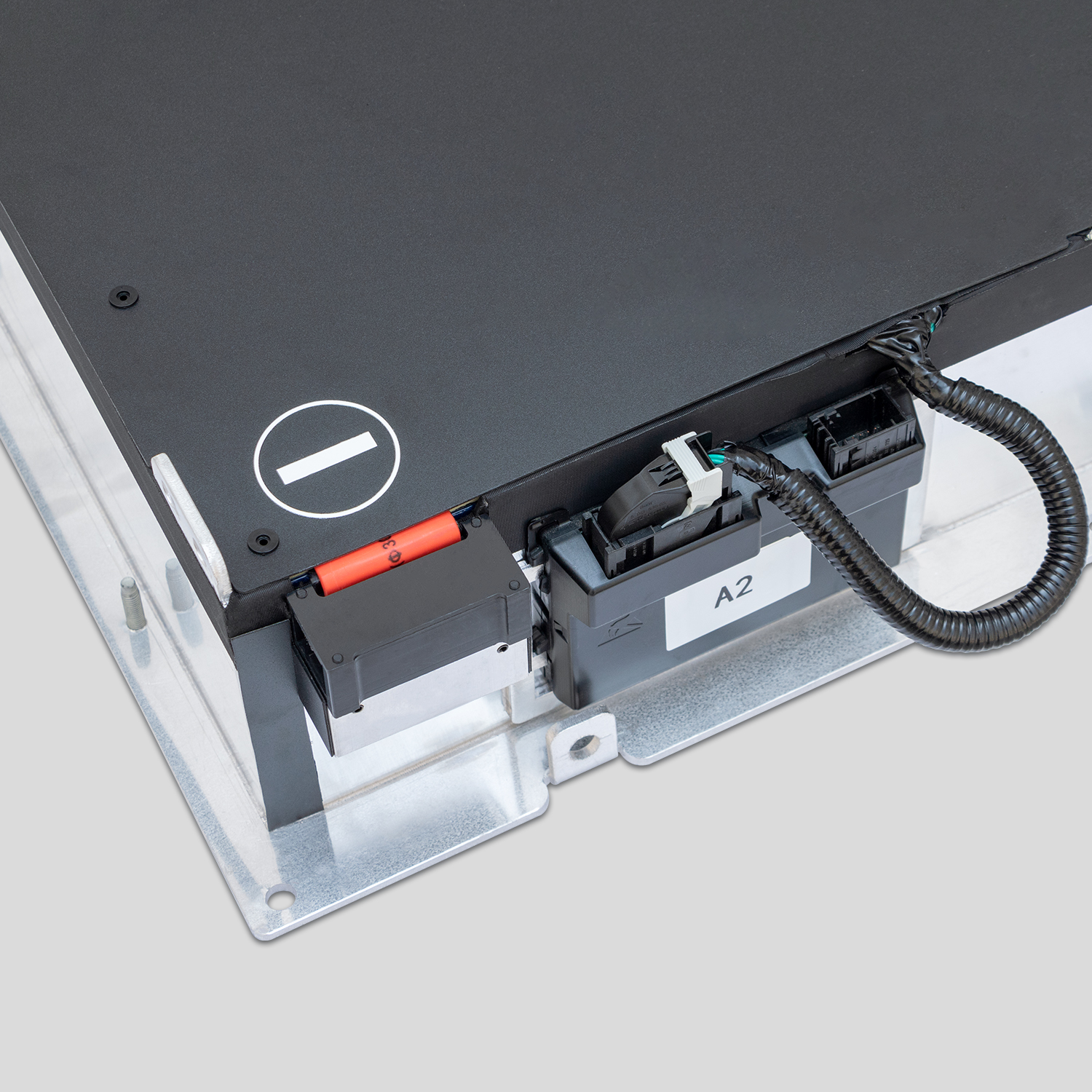
BMW i3 Battery Sensor Fault: How to Replace It—Without Wasting Time or Money
“I Replaced the ‘Faulty’ Temperature Sensor Twice. The Error Came Back in 48 Hours. Then I Learned the Real Problem Wasn’t the Sensor—It Was the Pack Itself.”
You’re driving your BMW i3 when a warning flashes: “High-Voltage Battery Malfunction” or “Check Hybrid System.” A scan reveals codes like 930B12, 930C12, or 930A12—pointing to a battery temperature or voltage sensor fault.
Your instinct? Replace the sensor. After all, it’s just a small part—right?
But here’s what most owners (and even some shops) miss: in over 70% of cases, the sensor isn’t broken—it’s reporting accurately on a failing pack. Swapping sensors without diagnosing the root cause is like changing a smoke detector because your house is on fire.
In this guide, you’ll learn:
- How to distinguish a true sensor failure from a symptom of pack degradation
- Why DIY sensor replacement can trigger isolation faults or BMS lockouts
- When replacing the entire pack is the only safe, lasting solution
- And how CNS BATTERY packs come with fully integrated, pre-calibrated sensors—eliminating guesswork forever
Because in an EV, a sensor fault isn’t a nuisance. It’s a message. And ignoring it could leave you stranded—or worse.
Understanding i3 Battery Sensors: More Than Just Thermometers
The BMW i3’s high-voltage battery contains multiple critical sensors:
- 8–12 temperature sensors (one per module, plus coolant in/out)
- Voltage sensing taps for each cell group
- Current shunt monitors
- Insulation resistance detectors
These feed real-time data to the Battery Management System (BMS). If readings fall outside expected ranges—even briefly—the BMS logs a fault and may limit power or disable drive.
⚠️ Key insight: Sensors rarely fail spontaneously. They’re solid-state components with no moving parts. A “fault” usually means:
- The reading is outside normal limits (e.g., module at 62°C while others are at 35°C)
- Wiring harness damage (from moisture, rodents, or improper service)
- BMS software glitch (rare)
🔧 Step-by-Step Diagnosis: Is It Really the Sensor?
Don’t replace parts blindly. Follow this verified process:
✅ Step 1: Read Live Data via ISTA or BimmerCode
- Check individual module temperatures
- Look for outliers (e.g., Module 3 reads 55°C while others are 38°C)
- Monitor voltage balance across modules
📊 If one module consistently runs hotter or shows lower voltage → cell imbalance or internal short, not sensor failure.
✅ Step 2: Inspect the Wiring Harness
- Remove rear seat and access pack cover
- Look for:
- Corrosion at connector pins
- Pinched or frayed wires near brackets
- Moisture in sensor channels
💡 Common failure point: The harness near the coolant inlet—exposed to vibration and condensation.
✅ Step 3: Perform a BMS Reset (Temporarily)
- Disconnect 12V battery for 15 minutes
- Reconnect and clear codes
- Drive gently and re-scan
If the fault returns within 10 km → hardware issue, not software.
✅ Step 4: Measure Sensor Resistance (Advanced)
- Use multimeter to check NTC thermistor values
- Compare to known-good specs (e.g., 10kΩ at 25°C)
❗ Warning: Never probe HV areas without proper training and PPE.
Why Replacing Just the Sensor Often Fails
If your pack is aging:
- Internal resistance increases → certain modules overheat under load
- Coolant flow degrades → uneven thermal distribution
- Cells swell → pressure on harnesses → intermittent connections
Replacing a $25 sensor won’t fix these systemic issues. Worse, opening the pack without proper procedures can:
- Void any remaining warranty
- Introduce moisture or contamination
- Trigger permanent BMS authentication errors (on newer models)
BMW’s internal bulletin SI B61 05 23 states:
“Repeated temperature sensor faults on packs over 60,000 km typically indicate module-level degradation. Evaluate SoH before component-level repair.”
The Smarter Fix: A Complete Pack with Integrated, Reliable Sensors
When sensor faults stem from pack deterioration, the only reliable solution is replacement with a modern, fully tested unit.
CNS BATTERY packs include:
- Factory-installed, calibrated NTC sensors in every module
- Reinforced wiring harnesses with moisture-resistant connectors
- New CATL cells with balanced thermal profiles—no hot spots
- BMS pre-programmed to communicate seamlessly with i3’s vehicle network
“After three sensor replacements in one year, I installed a CNS 50kWh pack. No more temperature warnings—even during summer highway drives. The sensors just work because the pack is healthy.”
— David L., Dublin
Safety First: When to Call a Professional
Never attempt sensor replacement if:
- You see coolant leaks, corrosion, or swollen modules
- Your i3 has thrown isolation or insulation faults
- You lack HV-certified tools and insulated gloves
High-voltage systems demand respect. One mistake can be fatal.
Frequently Asked Questions: i3 Battery Sensor Faults
Q: Can I drive with a sensor fault?
A: Short distances only—but avoid fast charging or hard acceleration. Persistent faults can lead to sudden power loss.
Q: Does CNS include new sensors with the pack?
A: Yes—all sensors and harnesses are brand-new, pre-installed, and tested.
Q: Will replacing the pack clear the fault permanently?
A: Yes—if the fault was caused by pack degradation (which 70%+ are).
Q: How much does a standalone sensor cost?
A: $20–$50—but labor often exceeds $300, and success is unlikely on aged packs.
Q: Do I need coding after installing a CNS pack?
A: No. Our BMS mimics OEM communication—no ISTA programming required.
Don’t Treat the Messenger—Fix the Message
A sensor fault is your i3’s way of saying: “Something inside isn’t right.” Respect that warning. Diagnose deeply. And when the pack is the true culprit, choose a replacement built for reliability from the ground up.
Ready to Eliminate Recurring Sensor Faults—and Restore Confidence in Your i3?
Upgrade to a CNS BATTERY BMW i3 pack with fully integrated, factory-calibrated sensors and a robust thermal design that prevents false alarms and ensures long-term stability.
Click below to request your diagnostic review and replacement quote:
👉 https://cnsbattery.com/ev-battery-home/ev-battery-contact/