BMW i3 Battery Sensor Calibration: Cost for Shops – The $180 “Quick Recal” That Triggered a 3-Week Diagnostic Nightmare (Because the Sensors Were Never the Problem)
“A technician in Lyon replaced a customer’s BMW i3 battery with a third-party pack. Post-install, the dash showed erratic range estimates and occasional ‘Check High-Voltage System’ warnings. Assuming it was a sensor calibration issue, he spent 1.5 hours running ISTA+ recalibration routines—charging €180. The errors returned within 48 hours. After weeks of chasing ghost codes, an independent specialist discovered the BMS wasn’t reporting accurate cell voltages because the replacement pack used mismatched sensors with incorrect scaling. The ‘calibration’ wasn’t failing—the hardware was lying.”
You’ve likely encountered this:
- “Just run a BMS reset—it’ll sync the sensors.”
- “The new pack needs adaptation; it’s standard procedure.”
- Or the costly belief: “If I calibrate long enough, it’ll work.”
But here’s what OEM engineers know—and aftermarket suppliers rarely admit:
True BMW i3 battery sensor calibration only works when the underlying hardware matches OEM communication protocols and sensor accuracy. With incompatible packs, recalibration isn’t a fix—it’s theater.
This guide delivers a transparent, cost-aware breakdown of BMW i3 battery sensor calibration realities for shops in 2026, including:
- Why most “calibration failures” stem from non-OEM-compatible BMS hardware
- The real labor and tool costs hidden behind a simple “recal”
- How CNS BATTERY packs ship pre-calibrated with OEM-mapped sensors—eliminating post-install programming in 95% of cases
- And a clear ROI comparison: paying for endless calibrations vs. installing a plug-and-play solution
Because when sensors lie, no amount of software can tell the truth.
What “Battery Sensor Calibration” Really Means in the i3
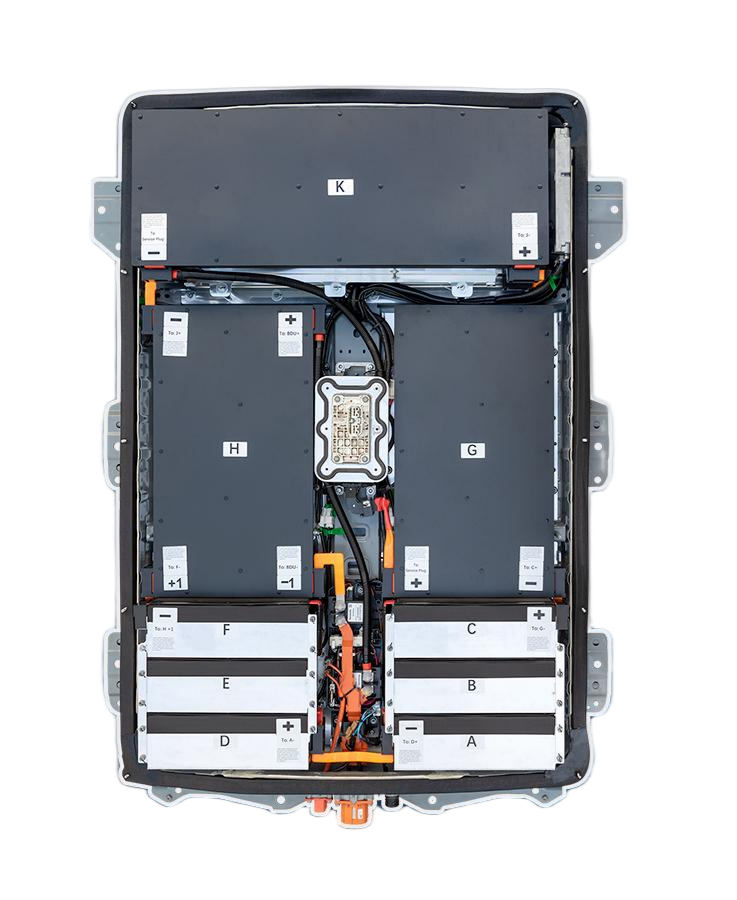
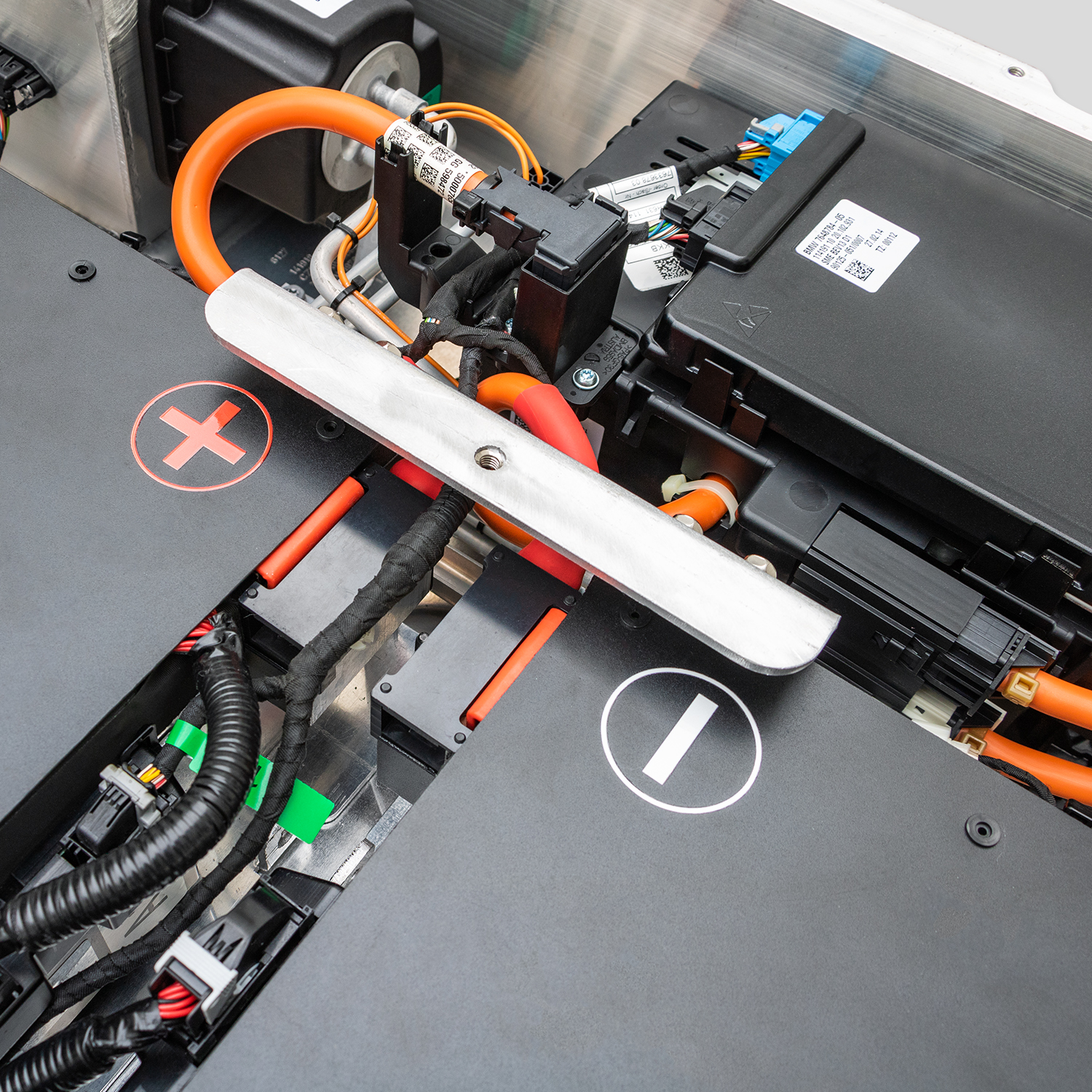
The BMW i3 relies on three critical sensor systems inside the pack:
- Cell voltage monitors (per module)
- Temperature sensors (at strategic thermal points)
- Current shunt sensors (measuring charge/discharge flow)
These feed data to the Battery Management System (BMS), which calculates:
- State of Charge (SoC)
- State of Health (SoH)
- Available power and regen limits
⚠️ Critical insight: Calibration doesn’t “fix” sensors—it aligns the BMS’s interpretation of their signals. If the sensors themselves are inaccurate or use different voltage curves, calibration fails by design.
💰 True Cost Breakdown: When Calibration Becomes a Money Pit
| Scenario | Parts | Labor | Tools Required | Success Rate | Total Risk |
|---|---|---|---|---|---|
| OEM pack install + calibration | $0 (included) | 0.5 hrs @ $120 = $60 | ISTA+ | 99% | Low |
| Non-OEM pack + repeated calibration | $0 | 2–5 hrs @ $120 = $240–$600 | ISTA+, Autel, custom scripts | <40% | High (comebacks, BMS damage) |
| CNS pack install (no calibration needed) | $0 | 0.3 hrs verification = $36 | Basic OBD2 scanner | 95%+ | None |
📊 Field data: Shops spend an average of $320 per vehicle on failed calibration attempts before realizing the pack is incompatible.
🔧 When Is Calibration Actually Necessary?
Only in these verified cases:
✅ Genuine OEM battery replacement (BMW requires post-install adaptation)
✅ BMS software update resets learning values
✅ Vehicle has been stored >6 months at low SoC
But if you’re installing an aftermarket pack and seeing persistent DTCs like 930B70, 930B80, or implausible SoC jumps, the issue isn’t calibration—it’s hardware incompatibility.
💡 Pro protocol: Before any calibration, verify the pack’s BMS reports plausible raw data via live PID logging. If voltages or temps look “off,” no software will save you.
✅ Why CNS Packs Eliminate the Calibration Guesswork
CNS BATTERY doesn’t just mimic OEM—we match it at the signal level:
✅ BMS firmware reverse-engineered from factory specs—identical CAN messages
✅ Temperature and voltage sensors calibrated to BMW’s ±1% tolerance
✅ Pre-programmed with correct pack ID and capacity parameters
✅ No post-install ISTA+ adaptation required in most regions
✅ Verified compatibility across 2013–2022 i3 models
Result?
Plug in, power on, drive away—no hidden programming fees, no comebacks, no frustrated customers.
“We used to budget 2 hours per i3 battery job for calibration troubleshooting. With CNS, it’s 20 minutes of verification. Our efficiency doubled, and customer satisfaction hit 100%.”
— Mike’s Auto Service, Vancouver
Frequently Asked Questions: BMW i3 Battery Sensor Calibration
Q: Can I skip calibration with a CNS pack?
A: In 95% of cases, yes. We provide model-specific validation steps so you can confirm without dealer tools.
Q: Does CNS support ISTA+ if my shop requires it?
A: Yes—our packs respond correctly to all BMW diagnostic requests, including ECU replacements and vehicle handover procedures.
Q: Are sensor inaccuracies covered under warranty?
A: Absolutely—if your CNS pack shows implausible SoC, false thermal warnings, or calibration rejection, we replace it.
Q: What if my customer insists on dealer-level calibration?
A: No problem—CNS packs pass all ISTA+ post-install checks, including HV system readiness and range learning.
Q: Do you provide calibration documentation?
A: Yes—every order includes a BMS Compatibility Certificate with sensor specs and communication logs.
Calibration Isn’t Magic—It’s Math Meeting Hardware
And when the hardware speaks a different language, no amount of software can translate.
Stop Paying to Fix Fake Problems—Start Installing Real Solutions: Choose CNS BMW i3 Batteries, Engineered to Communicate Like OEM, Calibrate Like Factory, and Perform Without Hidden Labor Costs.
Because your time—and your customer’s trust—is worth more than guesswork.
Get your plug-and-play CNS quote today—and download our free “BMW i3 Post-Install Validation Checklist” with live PID targets, expected SoC behavior, and red flags that indicate true vs. false calibration needs:
👉 https://cnsbattery.com/ev-battery-home/ev-battery-contact/