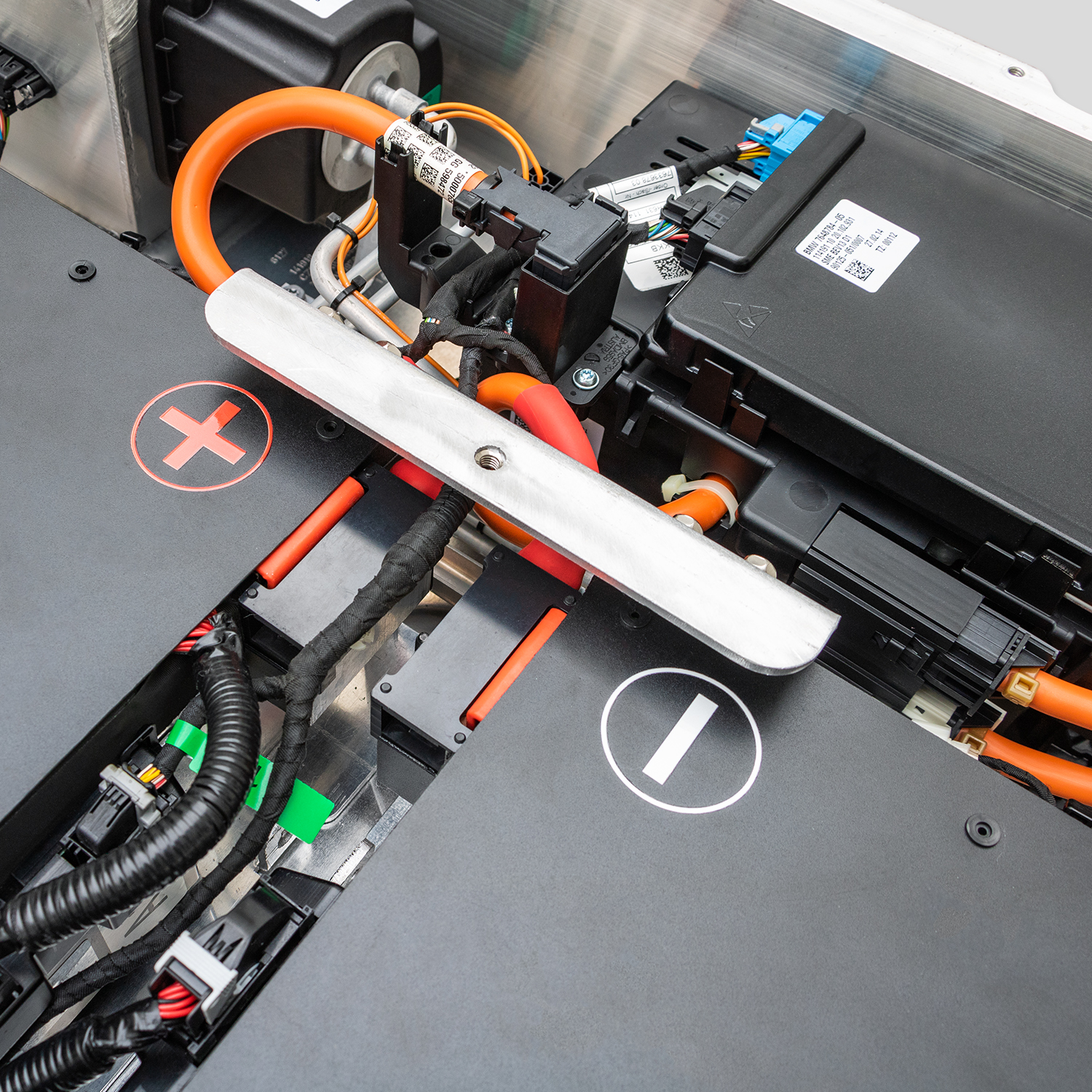
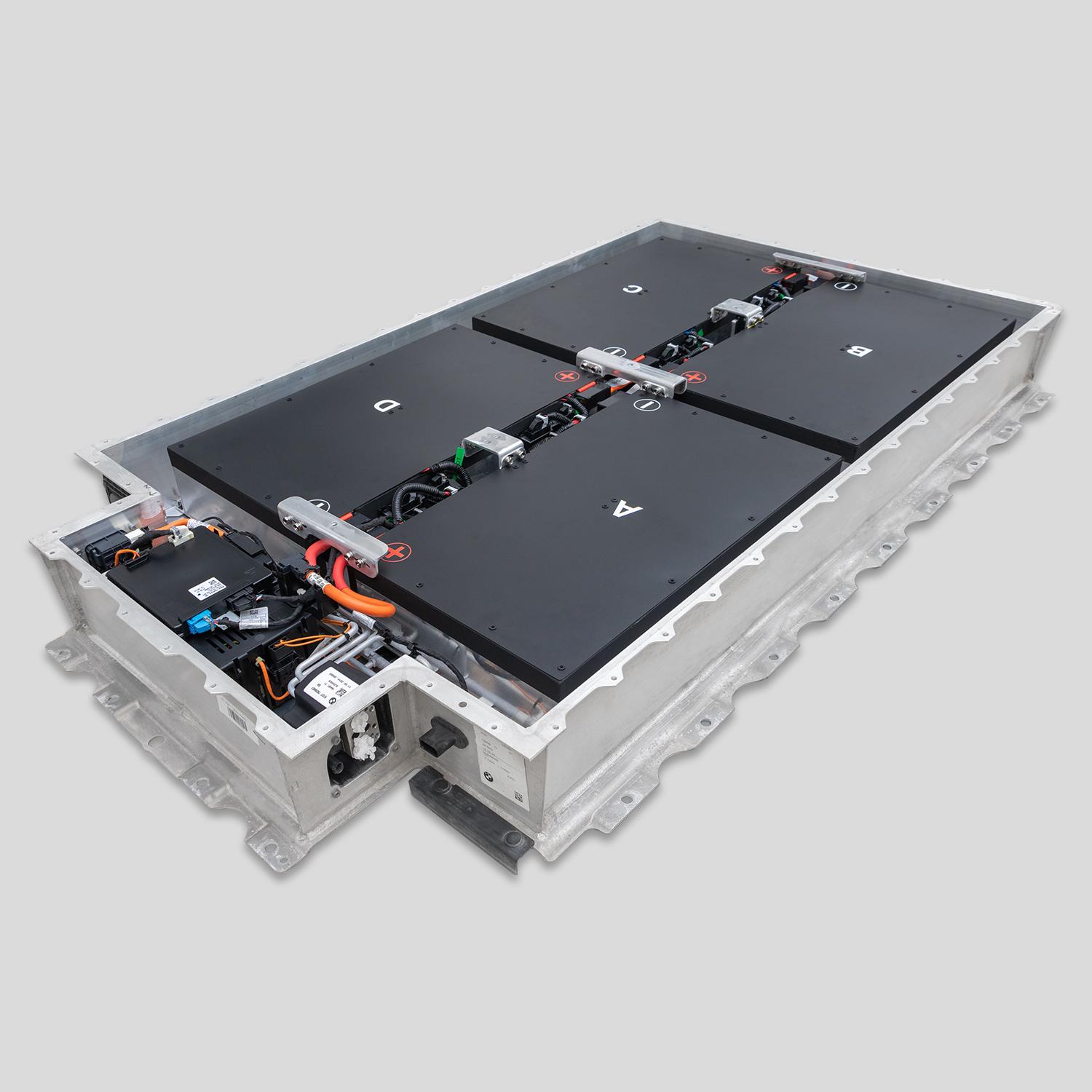
⚡️ BMW i3 Battery Reviews: Upgrade Focus
Is your BMW i3 range dropping? If you own a BMW i3 and are facing the dreaded “range anxiety,” you’re not alone. As batteries age, their capacity to hold a charge diminishes, turning your daily commute into a logistical nightmare. However, replacing the battery with an Original Equipment Manufacturer (OEM) unit often comes with a staggering price tag—sometimes nearly half the value of the car itself.
This guide serves as your comprehensive review of the BMW i3 battery upgrade landscape. We will dissect the pros and cons of various solutions, focusing on how to maximize your vehicle’s range and performance without breaking the bank. Whether you drive a 2014 model or a later variant, this article will help you navigate the path to a reliable, high-performance battery replacement.
📉 Why Upgrade Your BMW i3 Battery?
The BMW i3 was a revolutionary car when it launched, combining lightweight carbon-fiber construction with electric efficiency. However, like all lithium-ion batteries, the cells degrade over time.
The Reality of Degradation:
If your 2016 BMW i3 originally offered 180km of range but now struggles to reach 100km, it is time for an intervention. Continuing to drive with a degraded battery leads to:
- Limited Usability: You can no longer rely on the car for errands or short trips.
- Increased Charging Cycles: Frequent charging accelerates wear on the Battery Management System (BMS).
- High OEM Costs: Dealerships often quote prices exceeding $12,000 USD for a factory replacement.
Upgrading your battery isn’t just about restoring range; it is about reviving the car’s value and ensuring another decade of reliable, zero-emission driving.
🆚 OEM vs. Aftermarket: The Cost-Benefit Analysis
When searching for a BMW i3 battery replacement, you generally have two options: the factory (OEM) route or the aftermarket (OEM-compatible) route.
1. The OEM Dilemma
Original factory batteries are expensive. They carry the brand premium, and while they are reliable, they often do not offer technological improvements over the original 2013 design. You are paying for the badge and the logistics, not necessarily for cutting-edge cell chemistry.
2. The Aftermarket Advantage
This is where the “upgrade” focus comes in. Aftermarket specialists, such as CNS Battery, utilize brand-new, high-grade cells from manufacturers like CATL. These modern cells often boast better thermal management and energy density than the original 2013–2016 packs.
- Cost Savings: You can expect to save 50% or more compared to OEM prices.
- Performance: New cells mean you get the full advertised range back, often with improved charging speeds.
🔋 The Core of the Upgrade: Cell Chemistry & Construction
Not all battery replacements are created equal. To make an informed decision based on reviews and technical merit, you need to understand what is inside the casing.
A. New Cells vs. Refurbished Junk
A critical distinction in the market is between batteries built with brand-new cells and those cobbled together from discarded, refurbished modules.
- Refurbished Batteries: These are risky. They use old cells that have already endured years of wear. They are prone to swelling, sudden failure, and offer a very short lifespan.
- New Cell Batteries (The Upgrade Standard): A proper upgrade uses pristine, Grade-A cells. For the BMW i3, this typically means utilizing the latest lithium-ion technology to ensure longevity and safety.
B. The CATL Advantage
Many top-tier aftermarket upgrades utilize cells from CATL (Contemporary Amperex Technology Co. Limited), one of the world’s largest and most reputable battery manufacturers. CATL cells are known for:
- High Energy Density: More range in the same physical space.
- Safety: Superior thermal runaway protection.
- Longevity: Thousands of charge cycles without significant degradation.
🛠️ Installation & Support: What Real Reviews Say
One of the biggest hurdles for a DIYer or a small repair shop is the complexity of installation. A battery review is incomplete without discussing the support ecosystem.
1. Plug-and-Play Compatibility
The best aftermarket solutions are designed to be OEM-compatible. This means:
- No Modifications: The connectors, voltage, and interface match the original BMW specifications.
- BMS Integration: The Battery Management System communicates seamlessly with the car’s dashboard, eliminating error codes.
2. Real-World User Feedback
Based on aggregated user experiences (similar to those found on independent review platforms), owners who upgraded their BMW i3 batteries reported significant satisfaction:
- Range Restoration: Users consistently report hitting the full rated range (e.g., 290km+ on a full charge) immediately after installation.
- Ease of Installation: With detailed video guides, many owners successfully installed the packs themselves or with a mechanic in under 2 hours.
- Customer Service: The availability of remote video guidance for BMS programming issues was frequently cited as a “lifesaver” in reviews, resolving technical hiccups in minutes rather than days.
📜 The Warranty Factor: Peace of Mind
When investing in a battery, the warranty is your insurance policy. Generic, no-name batteries often come with no warranty or a very short one (e.g., 3-6 months). For an upgrade to be worthwhile, you need long-term coverage.
A leading standard in the industry is the 24-month / 80,000km warranty. This coverage typically includes:
- Protection against manufacturing defects.
- Coverage for capacity loss (ensuring the battery maintains at least 70% capacity).
- Free replacement or repair services.
This level of warranty significantly surpasses the peace of mind offered by most refurbished battery sellers and rivals some OEM offerings.
📊 Comparison: The Upgrade Decision Matrix
To help you visualize the difference, here is a quick comparison of your options:
| Feature | Refurbished/Recycled Battery | OEM Factory Battery | New Cell Aftermarket Upgrade |
|---|---|---|---|
| Cell Quality | Old, degraded, high failure risk | New (Original Spec) | Brand New (e.g., CATL) |
| Price | Medium ($5k-$8k) | Very High ($12k+) | Affordable (~50% of OEM) |
| Lifespan | Short (6-12 months typical) | Long (Standard) | Long (New Cells) |
| Warranty | Minimal or None | Standard (1-2 years) | Extended (2 Years+) |
| Value | Poor | Low | High |
📝 Conclusion: Revive Your i3 Today
If you are reading BMW i3 battery reviews because your range is suffering, the decision is clear. Do not settle for a risky refurbished pack, and do not pay an exorbitant fee for an OEM replacement that offers the same old technology.
An upgrade using a new-cell, CATL-powered battery offers the best of both worlds: the reliability of a brand-new pack and the affordability of the aftermarket. You get to enjoy the full driving range, the safety of modern battery chemistry, and the peace of mind of a solid warranty.
Ready to transform your driving experience?
Don’t let a dead battery kill your electric journey. Get a free, no-obligation quote today and see how much you can save on a premium BMW i3 battery upgrade.
👉 Get Your Free Custom Quote Now
❓ Frequently Asked Questions (FAQ)
Q1: How long does a BMW i3 battery upgrade last?
A new-cell aftermarket battery, constructed with high-quality materials like CATL cells, is designed for longevity. Most reputable manufacturers offer a minimum lifespan guarantee backed by a 2-year or 80,000km warranty. With proper care and modern cell chemistry, you can expect this upgrade to last significantly longer than a refurbished unit, often matching or exceeding the lifespan of the original factory battery.
Q2: Can I install the new battery myself?
Yes, in most cases. The upgrade batteries are designed for OEM compatibility, meaning they are typically “plug-and-play.” If you are mechanically inclined and have basic tools, you can follow the provided video tutorials to complete the swap. The process usually takes 1-2 hours. However, if you are uncomfortable with high-voltage systems, it is always recommended to hire a certified technician. Many suppliers also offer remote video guidance to assist with the installation or BMS programming if needed.
Q3: Will the new battery work with my car’s software?
Absolutely. A high-quality aftermarket upgrade is engineered to communicate seamlessly with your BMW i3’s onboard computer. This means the dashboard will correctly display the state of charge, and you will not encounter error messages. The Battery Management System (BMS) in these upgraded packs is designed to mimic the original protocol, ensuring full functionality, including regenerative braking and climate control integration.
Q4: How much does a BMW i3 battery replacement cost?
The cost varies drastically based on the quality. OEM replacements can cost upwards of $12,000 to $16,000. In contrast, a premium aftermarket upgrade using brand-new cells generally costs about 50% less than the OEM price. This represents a massive saving while still providing a brand-new product with a substantial warranty, making it the most cost-effective solution for reviving your vehicle.