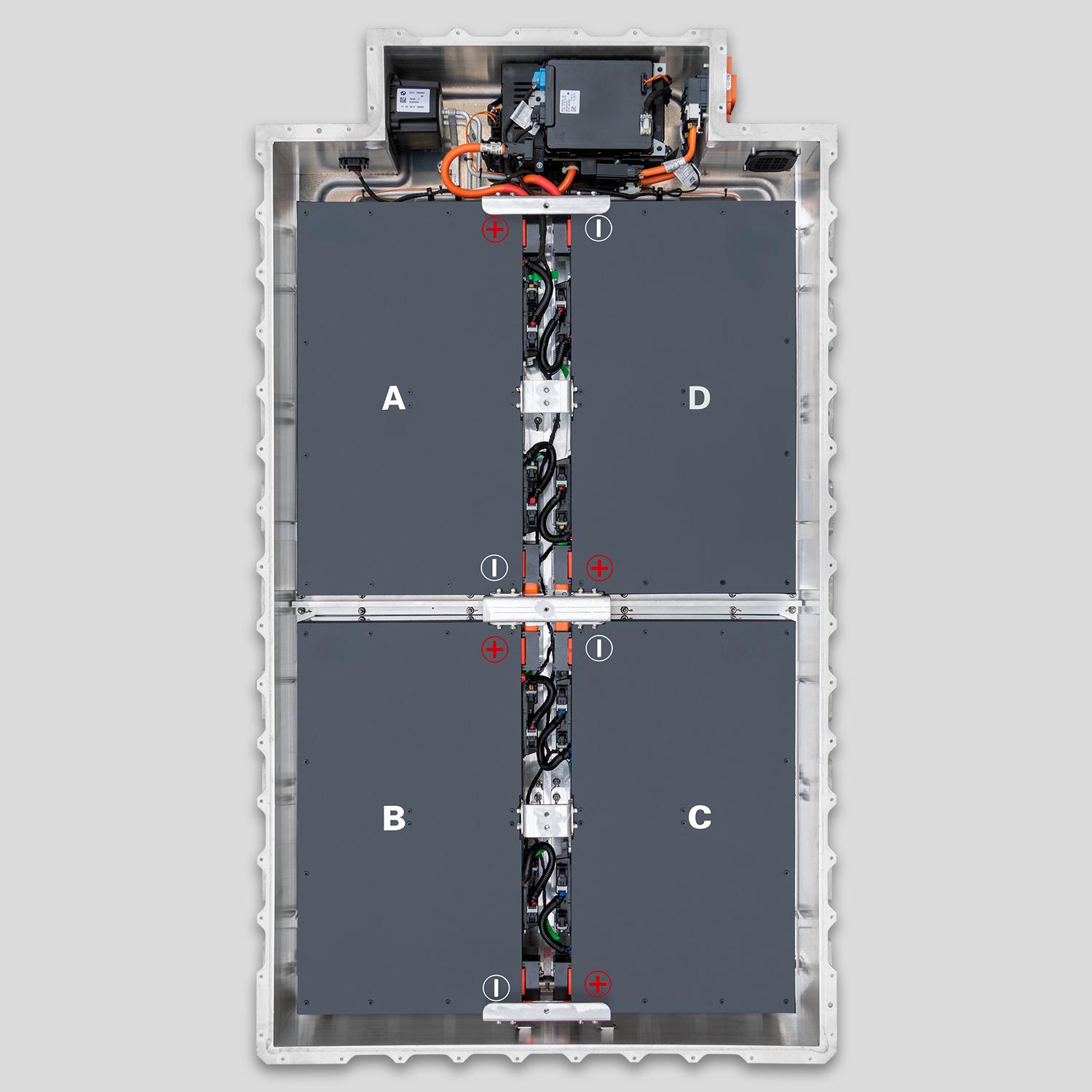
Why the BMW i3 Battery Fails and How to Fix It Permanently
Owning a BMW i3 is a unique driving experience. The instant torque, the futuristic design, and the low running costs make it a favorite among early EV adopters. However, as these vehicles age, a common fear sets in: the dreaded battery degradation.
If you are reading this, you are likely facing the “Battery Needs Service” warning, or you are seeing a drastic reduction in your driving range. The good news is that battery failure doesn’t mean the end of your car’s life. The bad news? The official dealer prices are often astronomical.
This guide is written for BMW i3 owners who are tired of the guesswork. We will break down why these batteries fail, why most replacement options are subpar, and why a high-quality aftermarket solution focused on durability is the smartest financial decision you can make for your car.
The Hidden Flaw: Why Your BMW i3 Battery Degraded
Before we talk about solutions, let’s understand the enemy: heat.
The BMW i3 battery pack is located under the cabin floor. While this lowers the center of gravity, it also puts the battery in a thermal sandwich—heat from the road below and heat from the cabin above. The original cooling system, while functional, is not perfect. Over time, this thermal stress causes the electrolyte in the lithium-ion cells to dry up or the cells to swell.
The Result:
- Reduced Range: Your 120-mile car might only go 60 miles on a charge.
- Power Limitation: The car restricts acceleration to protect the battery.
- Complete Failure: The car refuses to start.
Most owners reach a point where the car is worth less than the cost of a new battery from the dealer. This is where the aftermarket comes in, but not all aftermarket batteries are created equal.
The 3 Types of BMW i3 Battery Replacements
When you search for a replacement, you will encounter three main options. Understanding the difference is crucial for durability.
1. The “Refurbished” Trap (Avoid This)
Many sellers on auction sites or small shops sell “refurbished” packs. These are usually salvaged from crashed cars. They are disassembled, bad modules are pulled out, and the pack is reassembled.
- The Problem: You are getting a patchwork quilt of old cells. The remaining healthy cells are still aged. The risk of swelling, fire, or rapid capacity drop is high.
- Durability Rating: Low. You are buying someone else’s old problem.
2. The OEM Rip-Off
Some suppliers claim “OEM quality” but are simply rebranding low-quality cells or old stock.
- The Problem: Lack of transparency. You don’t know the cell chemistry or the manufacturing standards.
- Durability Rating: Questionable.
3. The Premium New Cell Solution (The Right Choice)
This is where the focus shifts to new, grade-A cells. A durable BMW i3 battery replacement should not use recycled cells. It should use brand new Lithium Iron Phosphate (LFP) or NMC cells from tier-1 manufacturers.
Why New Matters:
- Zero Cycle Count: Brand new cells start with 100% health.
- Consistency: Every cell in the pack has the same internal resistance and capacity, preventing “weak links” that drag down the whole pack.
- Longevity: A new cell pack can last 10+ years with proper BMS management.
The Durability Checklist: What to Look For
If you want a battery that lasts, you cannot just buy the cheapest option. Use this checklist when evaluating a BMW i3 battery solution:
- Cell Source: Insist on cells from CATL, LG, or Panasonic. These are the same factories that supply Tesla and major OEMs. If the seller cannot name the cell brand, walk away.
- Battery Management System (BMS): This is the brain. A durable pack needs a BMS that actively balances the cells and protects against over-voltage, under-voltage, and over-temperature.
- Warranty: Durability is proven by warranty. Anything less than 2 years is a red flag. A company confident in its build quality will offer a substantial warranty.
Real-World Proof: The 2-Year/80,000km Standard
At CNS Battery, we specialize in solving the BMW i3 battery problem permanently. We don’t sell refurbished junk. We build new battery packs using the latest cell technology.
Our standard for durability is simple: 2 Years or 80,000 km.
This warranty is longer than what most used car warranties offer and far exceeds the standard for most aftermarket EV batteries. Why can we offer this?
- Brand New CATL Cells: We use brand new, pristine cells. No salvaged modules. This ensures the pack starts life at peak performance.
- OEM-Level Engineering: Our packs are engineered to fit the BMW i3 chassis perfectly, maintaining the original vehicle dynamics and safety standards.
- Cost Efficiency: By cutting out the dealership markup, we offer these new packs at roughly 50% less than the official BMW price.
Case Study: The 45kWh Upgrade
Many BMW i3 owners are upgrading from the older 22kWh or 33kWh packs to our 45kWh or 62kWh options.
- The Result: Not only does the car get a brand new, durable battery, but the range is doubled. Owners report going from 80 miles to over 180 miles on a single charge.
Installation: Plug-and-Play Simplicity
A durable battery is useless if it is a nightmare to install. We have engineered our BMW i3 batteries for a seamless swap.
- Perfect Fit: The dimensions match the OEM specifications exactly.
- Connector Matching: The HV (High Voltage) and LV (Low Voltage) connectors plug directly into your BMW’s harness without modification.
- Programming: While the hardware is plug-and-play, the software requires a professional touch. We provide full technical support and programming guidance to ensure your car recognizes the new pack and runs optimally.
Pro Tip: While a skilled mechanic can do this in a few hours, we strongly recommend professional installation to maintain the warranty and ensure safety when dealing with high-voltage systems.
Frequently Asked Questions (FAQ)
Q1: How much does a BMW i3 battery replacement cost?
A: The cost varies depending on the capacity (kWh). Official dealer replacements can cost upwards of $16,000. At CNS Battery, we offer new, durable replacements starting at roughly half that price, making it financially viable to keep your i3 on the road for another decade.
Q2: Is it safe to buy an aftermarket BMW i3 battery?
A: It is safe if you buy from a reputable manufacturer that uses brand new, grade-A cells and provides a comprehensive Battery Management System (BMS). Avoid sellers offering “used” or “refurbished” cells, as these pose safety risks. Always check for certifications and warranties.
Q3: How long does a replacement BMW i3 battery last?
A: A high-quality replacement battery using new Lithium Iron Phosphate (LFP) or NMC cells should last 8-10 years or more under normal driving conditions. Our batteries come with a 2-year warranty, but the expected lifespan is significantly longer, often outliving the car itself.
Q4: Can I install the battery myself?
A: While the physical installation is a mechanical swap (similar to changing an oil pan), the high-voltage system and BMS programming require specialized knowledge. We provide detailed installation videos and manuals, but we highly recommend having a certified EV technician perform the installation to ensure your safety and validate the warranty.
Q5: Will a new battery fix the “Battery Needs Service” error?
A: Yes. This error is triggered by cell degradation or BMS faults. Replacing the entire pack with a new, healthy unit will clear the error and restore full functionality to your vehicle.
Ready to Restore Your Range?
Don’t let a bad battery kill your BMW i3. With a focus on durability, new cell technology, and unbeatable value, replacing your battery is the smart choice.
Stop searching for “BMW i3 battery repair” shops that might just patch up the old problem. Get a new solution.
Get Your Free Custom Quote Today
Contact Our Technical Experts Now