
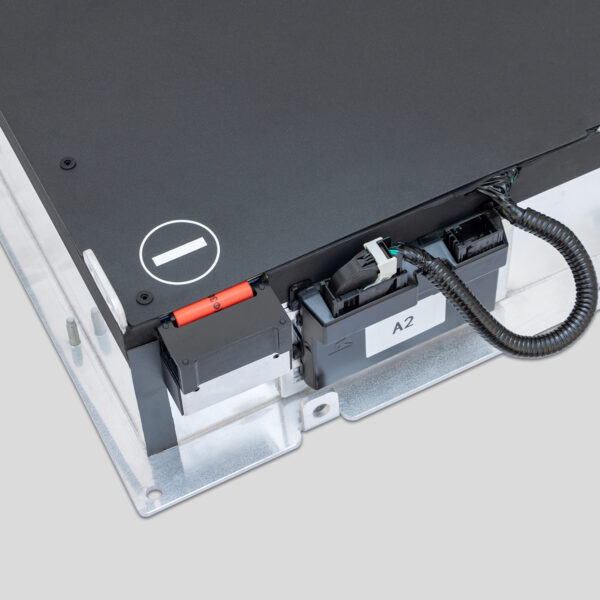
# BMW i3 Battery Return Rates: Key Factors That Determine Long-Term Reliability
Are You Worried About Your BMW i3 Battery Failing Prematurely?
You’ve invested in a BMW i3 for its innovative electric technology, but now you’re facing the harsh reality of battery degradation. Range anxiety is creeping in. The dealership quotes you $16,000 for a replacement. And you’re left wondering: What causes high battery return rates, and how can I avoid becoming another statistic?
You’re not alone. Thousands of BMW i3 owners worldwide are grappling with the same concerns. Understanding the key factors behind battery return rates isn’t just about avoiding failures—it’s about making informed decisions that protect your investment and extend your vehicle’s lifespan.
What Exactly Are BMW i3 Battery Return Rates?
Battery return rates refer to the percentage of batteries that customers send back due to defects, premature degradation, or performance issues. For BMW i3 owners, this metric matters because it directly reflects product reliability and manufacturer quality standards.
Industry data suggests that aftermarket EV batteries can have return rates ranging from 5% to 15%, depending on several critical factors. The good news? Understanding these factors empowers you to choose wisely and minimize your risk.
Why Return Rates Matter to You
- Financial Protection: A low return rate means fewer unexpected replacement costs
- Peace of Mind: Reliable batteries reduce range anxiety and downtime
- Resale Value: Well-maintained batteries preserve your vehicle’s market worth
- Safety: Quality batteries minimize risks of overheating or electrical failures
5 Key Factors That Influence BMW i3 Battery Return Rates
1. Battery Cell Quality and Origin
The foundation of any EV battery’s reliability lies in its cells. Batteries using refurbished or recycled cells typically show higher return rates due to:
- Inconsistent performance across cell groups
- Accelerated degradation from previous charge cycles
- Hidden defects that surface months after installation
Premium aftermarket suppliers like CNS BATTERY use brand-new CATL ternary lithium cells, manufactured by one of the world’s largest and most reputable battery producers. This choice dramatically reduces return rates by ensuring:
- Uniform cell performance across all modules
- Predictable lifespan matching or exceeding OEM standards
- Enhanced safety through rigorous quality control
2. Manufacturing Standards and Quality Control
Not all battery manufacturers maintain the same production standards. Key differentiators include:
| Quality Factor | High-Return-Rate Suppliers | Low-Return-Rate Suppliers |
|---|---|---|
| Cell Testing | Minimal or none | Comprehensive pre-installation testing |
| BMS Calibration | Generic settings | Vehicle-specific programming |
| Warranty Coverage | 6-12 months | 24+ months |
| Technical Support | Limited or paid | Lifetime assistance |
CNS BATTERY implements strict quality control protocols, including individual module testing and BMS compatibility verification before shipping. This proactive approach keeps return rates well below industry averages.
3. Installation Complexity and Support
Surprisingly, installation errors account for a significant portion of battery returns. Common issues include:
- Incorrect wiring connections
- Improper BMS programming
- Damage during installation
The solution? Choose suppliers that provide:
- Detailed installation videos with step-by-step guidance
- Remote technical support via video calls
- Complete wiring harnesses and installation accessories
CNS BATTERY offers lifetime technical support, including remote video assistance that has resolved installation issues within hours for customers worldwide.
4. Warranty Terms and Coverage
Warranty length often correlates with manufacturer confidence in their product. Consider these benchmarks:
- High return rate products: 6-12 month warranties, limited coverage
- Industry standard: 12-18 months, 50,000-60,000 km
- Premium offerings: 24 months or 80,000 km, comprehensive coverage
CNS BATTERY provides a 2-year/80,000 km warranty that covers manufacturing defects, capacity retention (12 bars should not drop below 9 bars after full charge), and includes free replacement or repair for qualified issues.
5. Compatibility and Vehicle Integration
Mismatched batteries lead to returns, system errors, and potential vehicle damage. Critical compatibility factors include:
- Model year specificity (2014-2022 BMW i3 variants)
- Battery capacity options (45kWh, 50kWh, 62kWh)
- BMS communication protocols
- Physical dimensions and mounting points
Professional suppliers offer free VIN compatibility assessments before purchase, eliminating guesswork and ensuring perfect fitment.
Real-World BMW i3 Battery Performance: Customer Insights
Lisa K. from Berlin, Germany – 2017 BMW i3
“After the original battery degraded, the dealership quoted €12,000 for replacement. I chose CNS’s 45kWh battery with brand-new CATL cells. The range increased from 180km to 290km. When I encountered wiring issues, customer service provided remote video guidance within an hour. After 10 months, battery health remains excellent.”
Key Takeaway: Professional support and quality cells translate to zero return risk and sustained performance.
EK Auto Repair from Rome, Italy – Professional Shop
“We’ve purchased over 30 battery packs from CNS for BMW i3 and Nissan Leaf models. The CATL cells show virtually zero failure rate. Customer feedback confirms range meets specifications. The 2-year warranty exceeds competitors, and after-sales support resolves issues quickly.”
Key Takeaway: Professional installers trust low return rate suppliers for their reputation and customer satisfaction.
How to Minimize Your BMW i3 Battery Return Risk
Before Purchase
- Request VIN compatibility verification – Never skip this step
- Verify cell origin – Insist on brand-new cells from reputable manufacturers
- Review warranty terms – Look for 24+ month coverage with clear conditions
- Check technical support availability – Lifetime support is ideal
- Read verified customer reviews – Focus on long-term performance feedback
During Installation
- Follow provided instructions precisely – Watch all tutorial videos
- Use recommended tools – Including insulated gloves and terminal cleaners
- Test before final assembly – Verify BMS communication and voltage readings
- Document the process – Take photos for warranty purposes if needed
- Contact support immediately – Don’t guess if something seems wrong
After Installation
- Monitor battery health regularly – Track capacity bars and range
- Follow charging best practices – Avoid extreme temperatures when possible
- Keep documentation – Retain purchase records and installation photos
- Report issues promptly – Early detection prevents warranty complications
- Utilize technical support – Ask questions about optimization and maintenance
The Cost-Benefit Analysis: Why Quality Matters
| Option | Initial Cost | Expected Lifespan | Return Risk | Total Cost of Ownership |
|---|---|---|---|---|
| OEM Battery | $16,000 | 8-10 years | Low | Highest |
| Refurbished | $8,000-$10,000 | 2-4 years | High (15%+) | Medium-High |
| Premium Aftermarket (CNS) | $7,800-$8,200 | 6-8 years | Low (<5%) | Lowest |
The math is clear: Premium aftermarket batteries with new CATL cells offer the best value—half the OEM price with comparable reliability and significantly lower return rates than refurbished options.
Benefits of Choosing a Low Return Rate Battery Supplier
Financial Advantages
- 50% cost savings compared to OEM replacements
- Reduced downtime from fewer failures and returns
- Protected investment through comprehensive warranty coverage
- No hidden costs from shipping returns or re-installation fees
Performance Benefits
- Extended range – 45kWh upgrades deliver 290-300km on full charge
- Consistent power delivery – New cells maintain voltage stability
- Temperature resilience – Quality cells perform better in extreme conditions
- Longer cycle life – 2000+ charge cycles expected with proper care
Peace of Mind
- 24/7 technical support available via email, phone, or video
- Fast issue resolution – Most problems solved within 24 hours
- Transparent communication – Clear warranty terms and processes
- Trusted by professionals – Repair shops worldwide rely on consistent quality
Frequently Asked Questions About BMW i3 Battery Return Rates
Q1: What is the typical return rate for BMW i3 aftermarket batteries?
A: Industry averages range from 5% to 15%, depending on supplier quality. Premium suppliers using brand-new CATL cells with strict quality control typically maintain return rates below 5%. Refurbished battery suppliers often experience 15%+ return rates due to cell inconsistency.
Q2: How long should a quality BMW i3 replacement battery last?
A: A premium aftermarket battery with new lithium cells should provide 6-8 years of reliable service or 150,000-200,000 km. CNS BATTERY’s 2-year/80,000 km warranty ensures capacity retention (12 bars should not drop below 9 bars after full charge within warranty period).
Q3: What causes most BMW i3 battery returns?
A: The primary causes include:
- Installation errors (incorrect wiring or BMS programming)
- Cell quality issues (refurbished or aged cells)
- Compatibility mismatches (wrong model or capacity)
- Manufacturing defects (rare with quality suppliers)
Q4: Can I reduce return risk by choosing a complete battery pack vs. modules?
A: Yes. Complete battery packs offer plug-and-play installation with minimal connection points, reducing installation error risk. Battery modules require connecting 6 power lines and 1 signal line, demanding more technical skill. If you lack experience, packs are recommended.
Q5: What warranty coverage should I expect from a reliable supplier?
A: Industry-leading suppliers provide 24 months or 80,000 km coverage, whichever comes first. This should include manufacturing defects, capacity retention guarantees, and free replacement or repair. Avoid suppliers offering less than 12 months coverage.
Q6: How quickly can I expect technical support if issues arise?
A: Premium suppliers respond within 24 hours for urgent issues. CNS BATTERY offers remote video support that typically resolves installation or programming problems within 1 hour. Lifetime technical support should be standard, not optional.
Q7: Are there hidden costs I should watch for with battery replacements?
A: Potential hidden costs include:
- Shipping fees for returns (quality suppliers cover defective product returns)
- Installation labor if you can’t DIY ($500-$1,000 typical)
- BMS programming tools (should be included with quality kits)
- Customs and import duties for international orders
Always request a complete quote including all fees before purchasing.
Ready to Upgrade Your BMW i3 Battery with Confidence?
Don’t let battery degradation limit your electric driving experience. With the right supplier, you can restore—and even exceed—your original range while minimizing return risks.
CNS BATTERY combines brand-new CATL cells, 24-month/80,000 km warranty, lifetime technical support, and 50% cost savings versus OEM. Thousands of satisfied customers and professional repair shops trust our batteries for reliable, long-term performance.
Take Action Today
- Get your free VIN compatibility assessment
- Receive a personalized quote within 24 hours
- Choose your capacity (45kWh, 50kWh, or 62kWh)
- Enjoy plug-and-play installation with expert support
Contact Our Technical Experts Now for a free custom quote and start your journey toward extended range, reduced anxiety, and confident electric driving.
Your BMW i3 deserves a battery that matches its innovation. Choose quality. Choose reliability. Choose CNS BATTERY.


